Korean for the Office

Korean for the Office: Emails, Meetings, and Everyday Workplace Phrases (Tap to Hear It Spoken)
회사
Living in Korea

Korean for the Office: Emails, Meetings, and Everyday Workplace Phrases

Every phrase below is tappable — press it and your browser speaks it aloud, so you walk into your next meeting already knowing how it should sound.
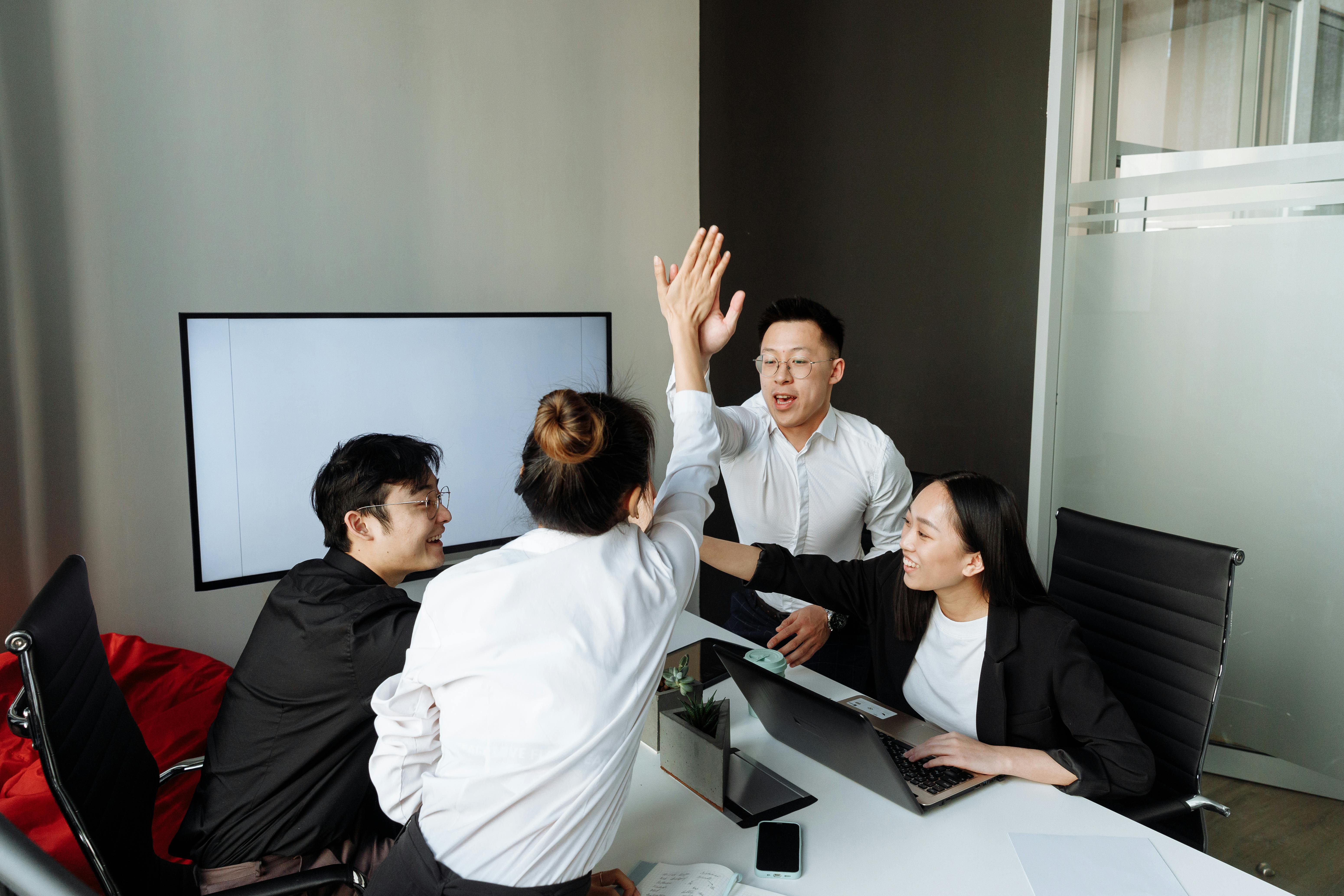
Colleagues in a business meeting in a Korean office

Korean office culture leans formal by default — these phrases are safe to use with almost anyone senior to you.

Starting and Ending the Day

The small phrases that get used constantly and almost never appear in textbooks.

수고하세요
sugohaseyo
Keep up the good work (said when leaving, to those still working)
먼저 가보겠습니다
meonjeo gabogesseumnida
I’ll head off first (polite way to leave before others)
수고하셨습니다
sugohasyeosseumnida
Thanks for your hard work (said after a task or at day’s end)
Worth knowing: 수고하세요 is technically not said to someone senior to you — 고생하셨습니다 or a simple bow is safer upward in the hierarchy.

In a Meeting

Phrases for following along, agreeing, and gently pushing back.

질문 있습니다
jilmun isseumnida
I have a question
다시 한번 말씀해 주시겠어요?
dasi hanbeon malsseumhae jusigesseoyo?
Could you say that once more?
제 생각에는
je saenggageneun
In my opinion…
확인해 보겠습니다
hwaginhae bogesseumnida
I’ll check on that
일정을 조율할 수 있을까요?
iljeongeul joryulhal su isseulkkayo?
Could we adjust the schedule?

Colleagues discussing data and strategy in a Korean office meeting

Formality level shifts constantly by seniority — these phrases sit safely in the polite/formal register throughout.

Email Openers and Closers

Korean work emails follow a predictable shape — these lines cover the start and end of almost any message.

안녕하세요, [이름]입니다
annyeonghaseyo, [ireum]imnida
Hello, this is [name] (standard email opener)
다름이 아니라
dareumi anira
The reason I’m writing is… (common transition into the point of the email)
확인 부탁드립니다
hwagin butakdeurimnida
Please check this / please confirm
감사합니다
gamsahamnida
Thank you (standard email sign-off line)
Worth knowing: most Korean work emails open with a greeting line and the sender’s name, state the reason for writing directly, and close with 감사합니다 — the structure barely varies between companies.

These phrases are just the start

Surviving a meeting is one thing — actually following the conversation around you needs a real foundation in the language.

START LEARNING KOREAN →
© 2026 Learn Korean Online

Disclosure: This page may contain affiliate links. If you purchase through a link on this page, we may receive a commission at no additional cost to you.

Going to the Doctor or Pharmacy in Korea

Going to the Doctor or Pharmacy in Korea: What to Say When You’re Unwell (Tap to Hear It Spoken)
약
Living in Korea

Going to the Doctor or Pharmacy in Korea: What to Say When You’re Unwell

Every phrase below is tappable — press it and your browser speaks it aloud, so you can practise the exact sound before you actually need it at a clinic or 약국.

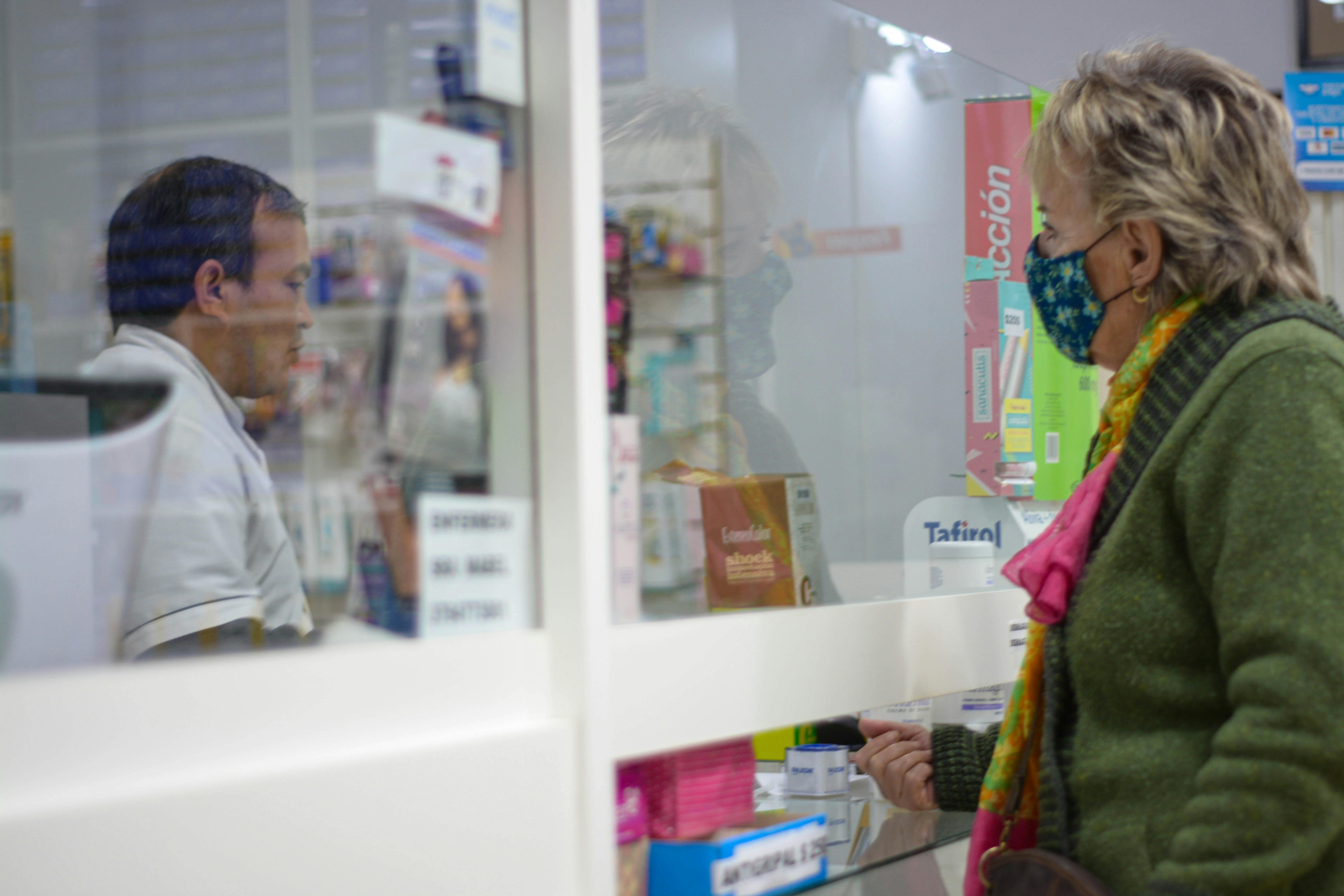
Pharmacist assisting a customer at a pharmacy counter in Korea

Korean pharmacies (약국) can often help directly with minor issues, without needing a doctor’s visit first.

Describing How You Feel

These are the phrases that actually get used when explaining a symptom.

몸이 안 좋아요
momi an joayo
I’m not feeling well
머리가 아파요
meoriga apayo
I have a headache
배가 아파요
baega apayo
My stomach hurts
열이 나요
yeori nayo
I have a fever
목이 아파요
mogi apayo
My throat hurts
어제부터 아팠어요
eojebuteo apasseoyo
I’ve been feeling unwell since yesterday
Handy pattern: [body part] + 가/이 아파요 covers most complaints — swap in 이 (tooth), 무릎 (knee), 허리 (lower back) and the sentence still works.

At the Pharmacy (약국)

For over-the-counter medicine without a full clinic visit.

두통약 있어요?
dutongyak isseoyo?
Do you have headache medicine?
감기약 주세요
gamgiyak juseyo
Cold medicine, please
하루에 몇 번 먹어요?
harue myeot beon meogeoyo?
How many times a day do I take it?
밴드 있어요?
baendeu isseoyo?
Do you have plasters/band-aids?

At the Clinic (병원)

If it’s more than the pharmacy can handle.

진료 받고 싶어요
jillyo batgo sipeoyo
I’d like to see a doctor
건강보험 있어요
geonganbheom isseoyo
I have health insurance
영어 하시는 분 계세요?
yeongeo hasineun bun gyeseyo?
Is there someone who speaks English?
Worth knowing: many clinics in bigger cities have at least one English-speaking staff member, and larger hospitals often have a dedicated international clinic desk — asking never hurts.

These phrases are just the start

A short list of survival phrases gets you through an appointment — real understanding of what’s said back to you needs an actual foundation.

START LEARNING KOREAN →

© 2026 Learn Korean Online

Disclosure: This page may contain affiliate links. If you purchase through a link on this page, we may receive a commission at no additional cost to you.

This page is for language learning only and is not medical advice. For urgent or serious symptoms, seek in-person medical care immediately.

Finding an Apartment in Korea

Finding an Apartment in Korea: Real Estate Phrases You’ll Actually Use (Tap to Hear It Spoken)
집
Living in Korea

Finding an Apartment in Korea: Real Estate Phrases You’ll Actually Use

Every phrase below is tappable — press it and your browser speaks it aloud in Korean, so you know exactly how it should sound before you ever walk into a 부동산 (real estate office).

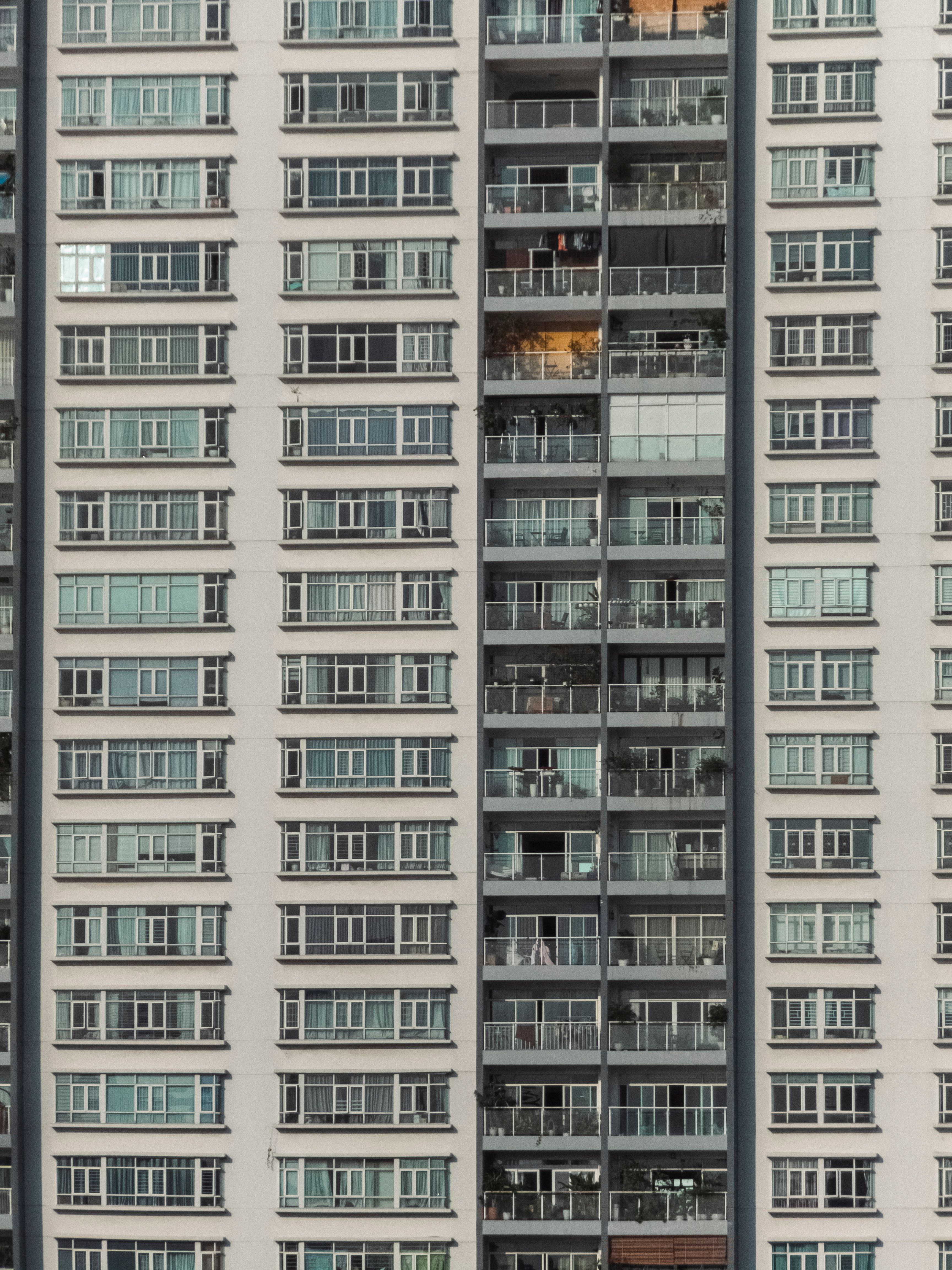
High-rise apartment building in Korea

Most renters in Korea find a place through a local 부동산 agent rather than browsing listings alone — the vocabulary below is what that conversation actually sounds like.

Walking Into the 부동산

These open the conversation and tell the agent what you’re looking for.

방 있어요?
bang isseoyo?
Do you have a room/apartment available?
원룸을 찾고 있어요
wonrumeul chatgo isseoyo
I’m looking for a studio apartment (one-room)
예산은 얼마 정도예요
yesaneun eolma jeongdoyeyo
(agent asks) About what’s your budget?
역에서 가까운 곳이 좋아요
yeogeseo gakkaun goshi joayo
Somewhere close to the station is good
Useful to know: most agents will ask your budget before showing anything — having a number ready in won speeds things up a lot.

Jeonse vs Wolse — The Money Words

Korea’s rental system runs on two models that don’t exist in most other countries. Knowing these terms avoids a lot of confusion.

전세
jeonse
A large lump-sum deposit (often most of the property’s value) instead of monthly rent — refunded when you leave
월세
wolse
A smaller deposit plus monthly rent — the model closest to renting abroad
보증금
bojeunggeum
Security deposit
관리비 포함이에요?
gwallibi pohamieyo?
Is the maintenance fee included?
Worth knowing: 관리비 (maintenance fee) is a separate monthly charge on top of rent in most Korean apartments — it covers building upkeep, sometimes internet or water. Always ask if it’s included in a listed price.
Modern apartment interior view in Korea

Viewings move fast in Korea — agents often show several units back to back the same day.

Questions to Ask During a Viewing

Don’t just nod along — these get you real answers about the place.

엘리베이터 있어요?
ellibeiteo isseoyo?
Is there an elevator?
채광이 어때요?
chaegwangi eottaeyo?
How’s the natural light?
언제부터 입주 가능해요?
eonjebuteo ipju ganeunghaeyo?
From when can I move in?
계약 기간이 어떻게 돼요?
gyeyak gigani eotteoke dwaeyo?
What’s the contract length?
생각해 볼게요
saenggakhae bolgeyo
I’ll think about it (a polite way to leave without committing)

These phrases are just the start

Real conversations move fast — a proper foundation in Korean means you’re not just reading phrase cards, you’re actually understanding what’s said back.

START LEARNING KOREAN →

© 2026 Learn Korean Online

Disclosure: This page may contain affiliate links. If you purchase through a link on this page, we may receive a commission at no additional cost to you.