Subway Essentials in Korean: T-money Cards, Lines & Rush Hour
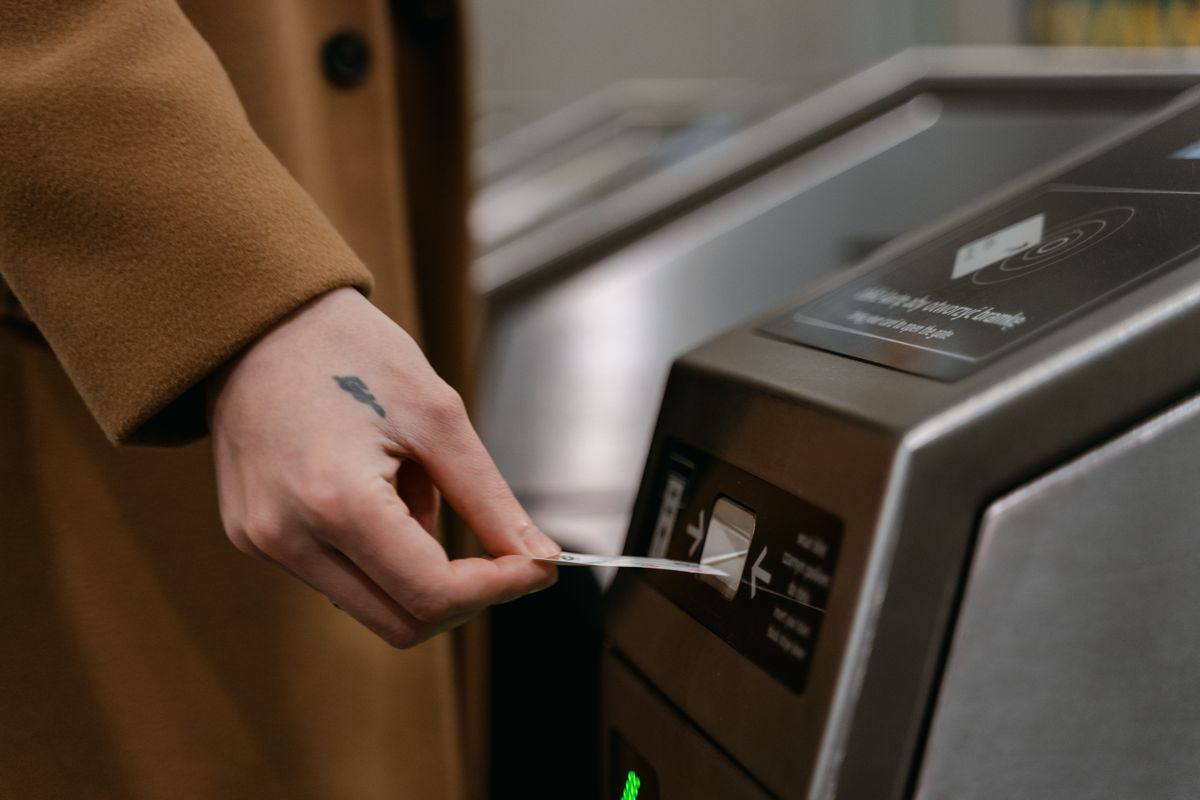
Photo: MART PRODUCTION / Pexels
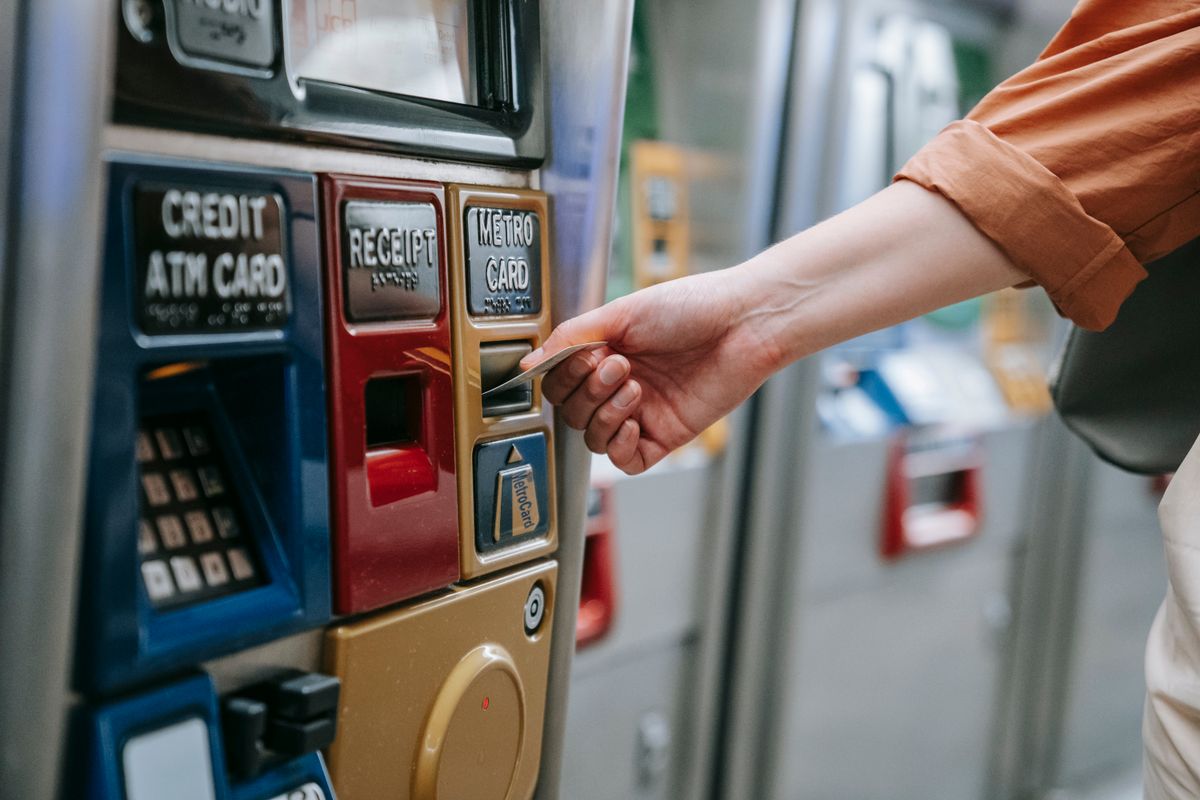
Photo: Liliana Drew / Pexels
Getting and Using a T-money Card
T-money cards are sold and reloaded at convenience stores (GS25, CU, 7-Eleven) and station machines, and work across nearly all public transit in Korea, including intercity buses in some regions. Tapping in and out on transfers, not just entry, is important — failing to tap out can result in a higher fare being charged.
Subway Lines and Transfers
Seoul’s subway system is organized by numbered and colored lines (호선, hoseon), and major transfer hubs can involve a genuine walk between platforms. Knowing your line number and direction (bound for which end station) makes transfers far smoother.
Rush Hour Etiquette
Seoul subway rush hour (출퇴근 시간, chultoegeun sigan) can get extremely crowded, and there are unspoken but widely followed norms around standing near doors, letting people off before boarding, and using priority seats (노약자석) only when appropriate.
Frequently Asked Questions
What is a T-money card?
티메니 (T-money) is Korea’s rechargeable transit card, usable on subways, buses, and some taxis and stores nationwide.
Where can you buy or recharge a T-money card?
Convenience stores like GS25, CU, and 7-Eleven sell and reload T-money cards, as do machines inside most subway stations.
Do you need to tap your T-money card when transferring?
Yes — tapping in and out at transfers, not just at entry, is important, since failing to tap out correctly can result in a higher fare being charged.
What does noyakjaseok mean on the subway?
노약자석 (noyakjaseok) means “priority seat,” reserved for elderly, pregnant, or disabled passengers, and it’s respected even when visibly empty.
The subway is where daily Korean really lives
These small, practical phrases get used constantly — they’re some of the highest-value Korean you can learn.
START LEARNING KOREAN →