On the Train: Seats, Luggage & Etiquette in Korean
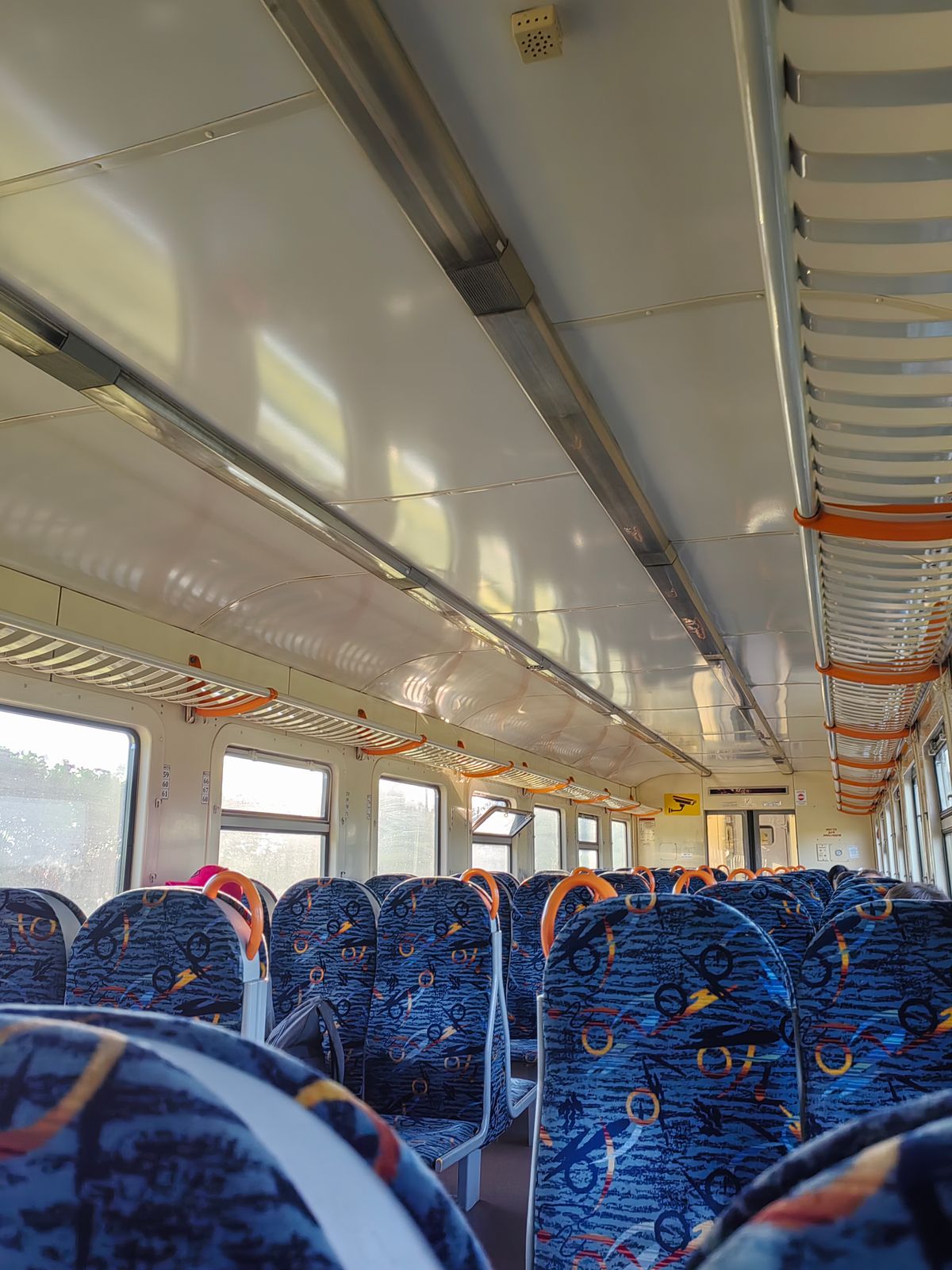
Photo: Yusei Prosto / Pexels
Photo: Noland Live / Pexels
Finding and Confirming Your Seat
KTX and most intercity trains use assigned seating, printed clearly on your ticket or app confirmation as a car number and seat number. Occasional mix-ups happen, and there’s a simple, polite way to resolve them without confrontation.
Storing Luggage
Large suitcases typically go in dedicated luggage racks near the doors or car entrances on KTX trains, while smaller bags fit in overhead racks. It’s polite to keep aisles and shared racks clear rather than blocking access to seats near you.
Quiet Car and General Etiquette
Phone calls are generally taken in the connecting area between cars rather than at your seat, and speaking quietly is the norm even outside designated quiet cars. Eating is fine but strong-smelling food is best avoided, especially on shorter journeys.
Frequently Asked Questions
What do you say if someone is sitting in your reserved seat?
이건 제 자리예요 (igeon je jariyeyo), meaning “this is my seat,” politely clears up the mix-up.
Where does luggage go on a KTX train?
Large suitcases typically go in dedicated racks near the doors or car entrances, while smaller bags fit in overhead racks above the seats.
Is there a quiet car on Korean trains?
Yes, KTX has a designated quiet car (대말 구간) where silence is strictly expected, though a generally quiet culture applies throughout the train.
Is it okay to eat on Korean trains?
Yes, eating is generally fine, but strong-smelling food is best avoided out of consideration for other passengers, especially on shorter routes.
Comfort on board starts with confidence in the language
Knowing exactly what to say if something’s off makes any train ride smoother. Keep building your practical Korean.
START LEARNING KOREAN →