Delays, Missed Trains & Changes in Korean: What to Say When Things Go Wrong
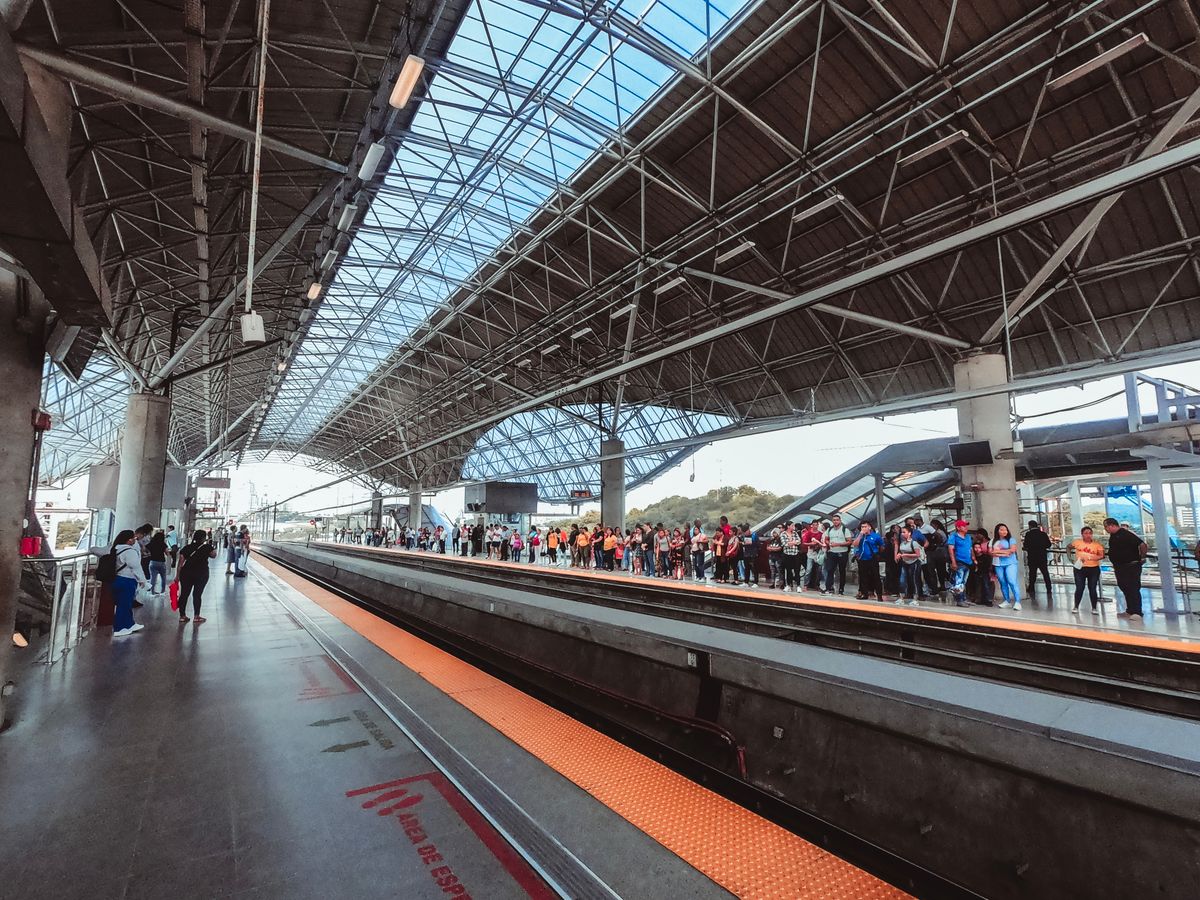
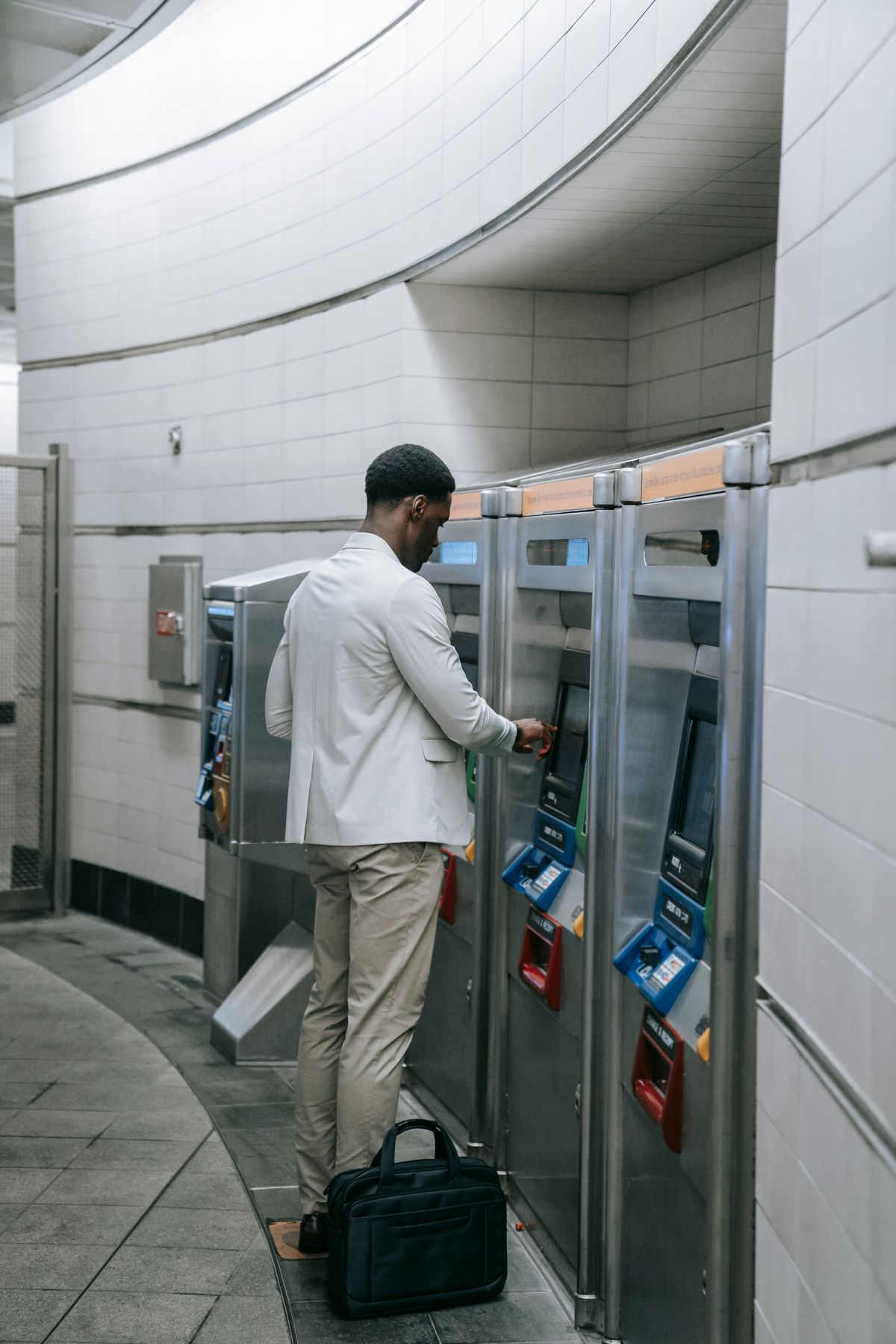
Photo: Luis Quintero / Pexels

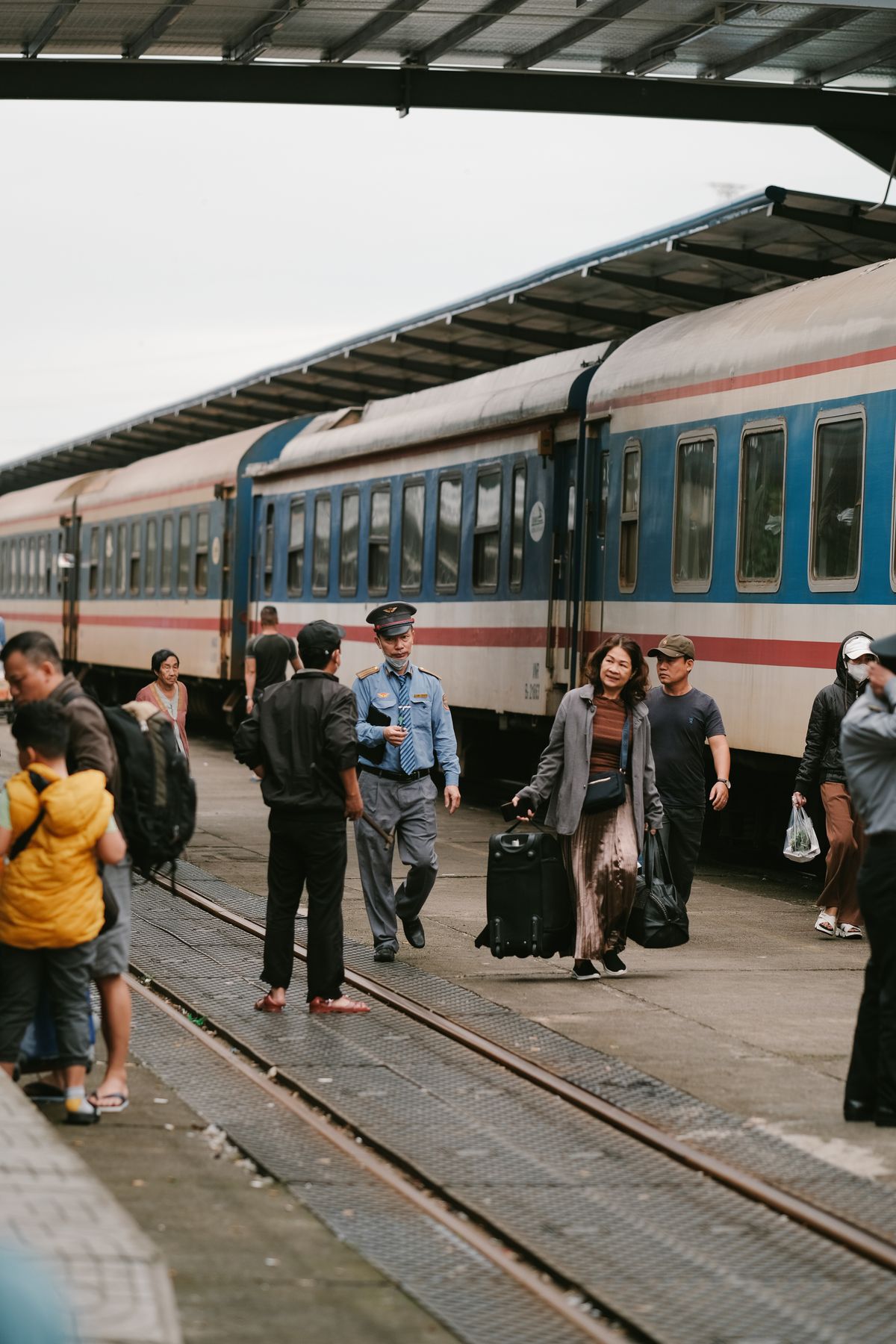
Photo: Jacek Herbut / Pexels
Asking About Delays
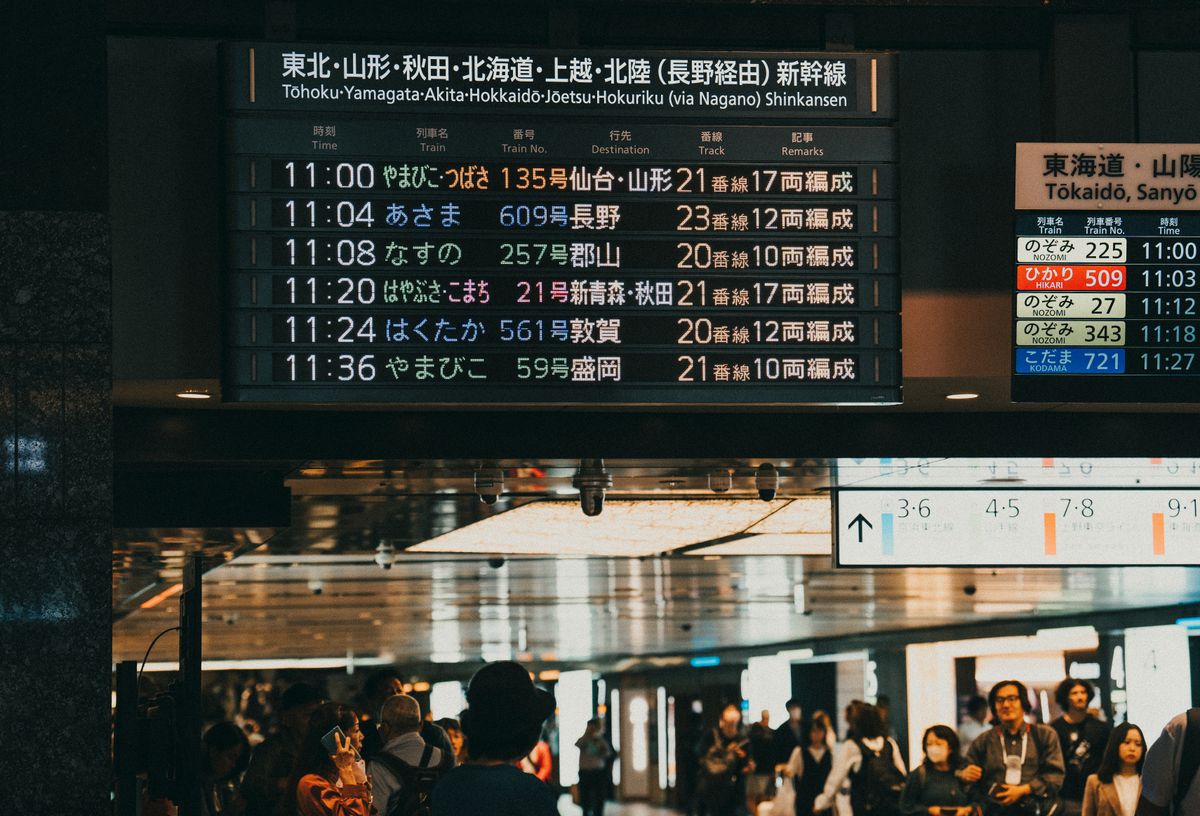
KTX delays are relatively uncommon but do happen, and stations post updated departure info on digital boards. If information isn’t clear, asking staff directly is usually faster than trying to interpret an ambiguous announcement.
Missing Your Train
If you miss a KTX or SRT departure, going to the ticket counter (rather than trying to fix it in the app) is often the fastest path to rebooking, since staff can immediately check seat availability on later trains.
Refunds and Rebooking
Korean rail refund policies are generally straightforward but time-sensitive — fees increase closer to departure, and same-day cancellations often carry a partial penalty. Knowing this vocabulary helps you handle changes calmly rather than relying entirely on app menus.
Frequently Asked Questions
How do you say ‘I missed my train’ in Korean?
기차를 놓쳤어요 (gichareul notchyeosseoyo) means “I missed my train,” and staff can usually help rebook you onto the next available departure.
How do you ask if a train is delayed?
연착되었나요? (yeonchakdoeeotnayo?) is the natural way to ask “is it delayed?” at a counter or information desk.
Can you get a refund on a Korean train ticket?
Yes, refunds are generally possible, but fees increase closer to departure time, and same-day cancellations often carry a partial penalty.
Is it better to rebook in the app or at the counter after missing a train?
Going directly to the ticket counter is often faster, since staff can immediately check and confirm seat availability on later trains.
Handling problems calmly is real fluency
Knowing what to say when a plan changes is just as valuable as knowing how to book the ticket in the first place.
START LEARNING KOREAN →