Falling in Love: Romantic Korean Phrases

Falling in Love: Romantic Korean Phrases and How to Say “I Love You”

Falling in Love. Korean has more than one way to say “I love you,” and choosing the right one signals exactly how serious you are — get it wrong and you might say something far more intense than you meant, or something that sounds oddly formal for a romantic moment. Here’s how the levels actually work.

The Three Levels of “I Love You”

Korean Romanization When to Use It
사랑해 saranghae Casual, intimate — used between close partners or close friends/family
사랑해요 saranghaeyo Polite version — safe for a newer relationship or slightly formal context
사랑합니다 saranghamnida Very formal — more common in speeches or formal declarations than everyday romance
Common mistake: Jumping straight to 사랑해 (the casual form) with someone you’ve just started dating can come across as overly familiar. 사랑해요 is the safer starting point until a relationship is clearly established and both people have moved to casual speech (반말) generally.

Beyond “I Love You”: Everyday Affection

Korean Romanization English
좋아해 joahae I like you (a common first step before “I love you”)
보고 싶어 bogo sipeo I miss you (literally “I want to see you”)
너밖에 없어 neobakke eopseo There’s no one else but you
평생 함께하자 pyeongsaeng hamkkehaja Let’s be together for life

Falling in Love. Korean has more than one way to say “I love you,” and choosing the right one signals exactly how serious you are — get it wrong and you might say something far more intense than you meant, or something that sounds oddly formal for a romantic moment. Here’s how the levels actually work.  The Confession Moment: 고백 (Gobaek)

In Korean dating culture, 고백 — a direct confession of romantic feelings — is often a distinct, deliberate moment rather than something that happens gradually. It’s the K-drama trope of someone formally saying “나랑 사귈래?” (Will you go out with me?) rather than relationships simply drifting into official status. Knowing this phrase and the cultural weight behind it will make a lot more sense of the confession scenes you’ve seen in dramas.

Korean Romanization English
나랑 사귈래? narang sagwillae? Will you go out with me?
저 좋아하시나요? jeo joahasinayo? Do you like me? (polite)

Aegyo: Cute Affection in Speech

애교 (aegyo) refers to a deliberately cute, endearing way of speaking or acting — often used playfully with a romantic partner. It can involve a slightly higher pitch, elongated vowels, or playful phrasing, and it’s a genuinely common part of Korean romantic communication rather than something exaggerated purely for dramas, though the intensity varies a lot by personality and relationship.

Ready for the next real-world scenario? See the First Date Korean post in this cluster, or head back to the dating vocabulary pillar guide for the full picture.

Pronunciation audio uses your browser’s built-in text-to-speech and may not perfectly reflect native pronunciation nuances.

Korean Dating Phrases

Korean Dating Phrases: Your Complete Relationship Vocabulary Guide

Whether you’re chatting with someone on a Korean dating app, navigating your first 소개팅 (blind date), or just trying to keep up with the relationship drama in your favorite K-drama, dating vocabulary is some of the most useful — and most emotionally loaded — Korean you’ll ever learn. This pillar guide covers the basics and links out to the deeper posts in this cluster.

Click any speaker icon throughout this cluster to hear native pronunciation using your browser’s built-in text-to-speech.

Why Dating Korean Is Its Own Category

Korean relationship vocabulary isn’t just a vocabulary list — it comes wrapped in a layer of social context that doesn’t map directly onto English dating culture. Terms like 썸 (a pre-relationship “something” stage) or 애교 (cute, affectionate behavior) describe concepts that don’t have a clean one-word English translation. Understanding the words means understanding a bit of the culture behind them, which is why this cluster pairs vocabulary with cultural context throughout.

Core Relationship Status Vocabulary

KoreanRomanizationEnglish
썸 sseomThe ambiguous “something” stage before officially dating
사귀다 sagwidaTo date / to go out with someone
남자친구 namja chinguBoyfriend
여자친구 yeoja chinguGirlfriend
소개팅 sogaetingA blind date, usually set up by a friend
애교 aegyoCute, affectionate behavior often used with a partner

What This Cluster Covers

  • Falling in Love — romantic phrases, how to say “I love you” correctly, and the honorific levels that matter
  • First Date Korean — the essential phrases for meeting someone new and navigating that first conversation
  • Korean Dating Culture — what K-dramas get right, what they exaggerate, and the real etiquette
  • Hard Conversations — breakups, mixed feelings, and vocabulary for difficult relationship moments
  • Marriage & Commitment — long-term relationship vocabulary, meeting the family, and proposal phrases
A note on honorifics: Korean relationship speech shifts significantly based on how well you know someone and their age relative to yours. Casual speech (반말) is common between established couples, but starting with polite speech (존댓말) is safer and more respectful when a relationship is new. This distinction comes up throughout the cluster.

Start Practicing

The fastest way to make this vocabulary stick is to hear it and say it out loud, not just read it. Use the speaker buttons throughout this cluster to practice pronunciation, and try building your own short sentences with the phrases as you go — even a simple “제 이름은 ___예요” (my name is ___) is a real, usable building block.

Next in This Cluster

  • Falling in Love: Romantic Korean Phrases and How to Say “I Love You”
  • First Date Korean: Essential Phrases for Meeting Someone New
  • Korean Dating Culture: What K-Dramas Get Right (and Wrong)
  • Breakups and Hard Conversations: Korean Phrases for Difficult Moments
  • Marriage & Long-Term Relationships: Korean Commitment Vocabulary

Pronunciation audio uses your browser’s built-in text-to-speech and may not perfectly reflect native pronunciation nuances. For best results, cross-reference with native audio sources when possible.

Banking, Post Office, and Government Offices

Banking, Post Office, and Government Offices: Getting Things Done in Korean (Tap to Hear It Spoken)
은행
Living in Korea

Banking, Post Office, and Government Offices: Getting Things Done in Korean

Every phrase below is tappable — press it and your browser speaks it aloud, so paperwork day doesn’t have to be the scary part of living here.

Bank teller assisting a customer at a counter in Korea

Take a numbered ticket at most banks and government offices — 번호표 (beonhopyo) — and wait for your number to be called.

Opening a Bank Account

The core phrases for the counter conversation.

통장을 만들고 싶어요
tongjangeul mandeulgo sipeoyo
I’d like to open a bank account
외국인등록증 가져왔어요
oegugin-deungnokjeung gajyeowasseoyo
I brought my alien registration card
체크카드도 만들어 주세요
chekeukadeudo mandeureo juseyo
Please also make me a debit card
인터넷뱅킹도 신청할 수 있어요?
inteonet baengkingdo sincheonghal su isseoyo?
Can I also apply for internet banking?
Worth knowing: foreign residents usually need an 외국인등록증 (Alien Registration Card) and a Korean phone number before a bank will open an account — bring both.

At the Post Office (우체국)

For mailing letters and packages home or locally.

이거 영국으로 보내고 싶어요
igeo yeongugeuro bonaego sipeoyo
I’d like to send this to the UK
얼마나 걸려요?
eolmana geollyeoyo?
How long will it take?
빠른 우편으로 보내주세요
ppareun upyeoneuro bonaejuseyo
Please send it by express mail
우표 몇 장 주세요
upyo myeot jang juseyo
A few stamps, please
Currency being exchanged at a counter

Bring your Alien Registration Card to almost any official errand — it’s the ID most staff will ask for first.

At the Government Office (주민센터)

For registrations, certificates, and the paperwork side of living here.

전입신고 하러 왔어요
jeonipsingo hareo wasseoyo
I’m here to register my new address
서류가 필요해요
seoryuga piryohaeyo
I need a document/certificate
어느 창구로 가야 돼요?
eoneu changguro gaya dwaeyo?
Which counter should I go to?
번호표 어디서 뽑아요?
beonhopyo eodiseo ppobayo?
Where do I take a queue ticket?
Worth knowing: 주민센터 (community service centre) handles most everyday registrations — address changes, certificates, ID matters — and is usually far less crowded than a larger government building.

These phrases are just the start

Getting through a counter transaction is one thing — understanding the follow-up questions staff ask you needs real Korean underneath it.

START LEARNING KOREAN →

© 2026 Learn Korean Online

Disclosure: This page may contain affiliate links. If you purchase through a link on this page, we may receive a commission at no additional cost to you.

Korean for the Office

Korean for the Office: Emails, Meetings, and Everyday Workplace Phrases (Tap to Hear It Spoken)
회사
Living in Korea

Korean for the Office: Emails, Meetings, and Everyday Workplace Phrases

Every phrase below is tappable — press it and your browser speaks it aloud, so you walk into your next meeting already knowing how it should sound.

Colleagues in a business meeting in a Korean office

Korean office culture leans formal by default — these phrases are safe to use with almost anyone senior to you.

Starting and Ending the Day

The small phrases that get used constantly and almost never appear in textbooks.

수고하세요
sugohaseyo
Keep up the good work (said when leaving, to those still working)
먼저 가보겠습니다
meonjeo gabogesseumnida
I’ll head off first (polite way to leave before others)
수고하셨습니다
sugohasyeosseumnida
Thanks for your hard work (said after a task or at day’s end)
Worth knowing: 수고하세요 is technically not said to someone senior to you — 고생하셨습니다 or a simple bow is safer upward in the hierarchy.

In a Meeting

Phrases for following along, agreeing, and gently pushing back.

질문 있습니다
jilmun isseumnida
I have a question
다시 한번 말씀해 주시겠어요?
dasi hanbeon malsseumhae jusigesseoyo?
Could you say that once more?
제 생각에는
je saenggageneun
In my opinion…
확인해 보겠습니다
hwaginhae bogesseumnida
I’ll check on that
일정을 조율할 수 있을까요?
iljeongeul joryulhal su isseulkkayo?
Could we adjust the schedule?
Colleagues discussing data and strategy in a Korean office meeting

Formality level shifts constantly by seniority — these phrases sit safely in the polite/formal register throughout.

Email Openers and Closers

Korean work emails follow a predictable shape — these lines cover the start and end of almost any message.

안녕하세요, [이름]입니다
annyeonghaseyo, [ireum]imnida
Hello, this is [name] (standard email opener)
다름이 아니라
dareumi anira
The reason I’m writing is… (common transition into the point of the email)
확인 부탁드립니다
hwagin butakdeurimnida
Please check this / please confirm
감사합니다
gamsahamnida
Thank you (standard email sign-off line)
Worth knowing: most Korean work emails open with a greeting line and the sender’s name, state the reason for writing directly, and close with 감사합니다 — the structure barely varies between companies.

These phrases are just the start

Surviving a meeting is one thing — actually following the conversation around you needs a real foundation in the language.

START LEARNING KOREAN →

© 2026 Learn Korean Online

Disclosure: This page may contain affiliate links. If you purchase through a link on this page, we may receive a commission at no additional cost to you.

Going to the Doctor or Pharmacy in Korea

Going to the Doctor or Pharmacy in Korea: What to Say When You’re Unwell (Tap to Hear It Spoken)
약
Living in Korea

Going to the Doctor or Pharmacy in Korea: What to Say When You’re Unwell

Every phrase below is tappable — press it and your browser speaks it aloud, so you can practise the exact sound before you actually need it at a clinic or 약국.

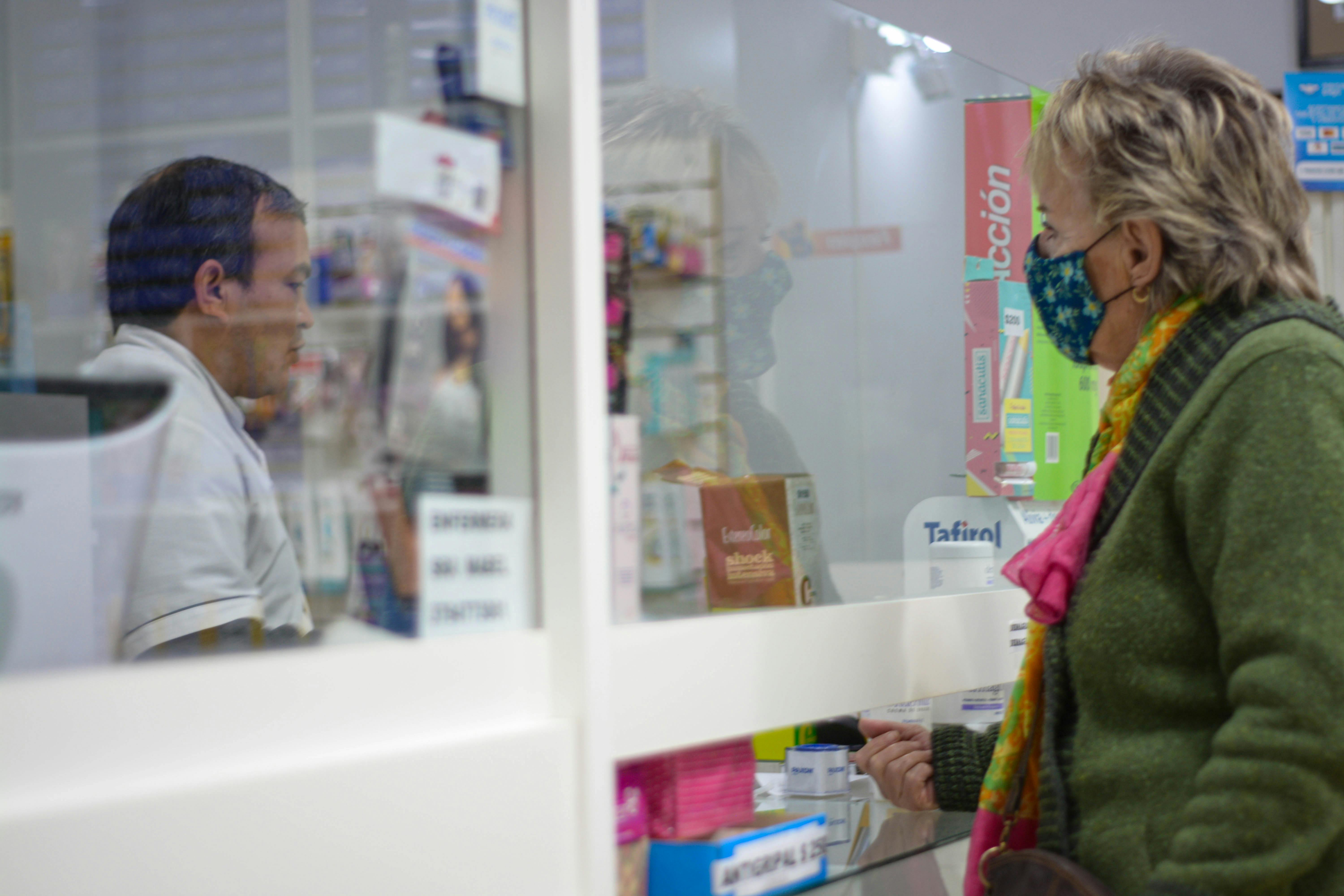
Pharmacist assisting a customer at a pharmacy counter in Korea

Korean pharmacies (약국) can often help directly with minor issues, without needing a doctor’s visit first.

Describing How You Feel

These are the phrases that actually get used when explaining a symptom.

몸이 안 좋아요
momi an joayo
I’m not feeling well
머리가 아파요
meoriga apayo
I have a headache
배가 아파요
baega apayo
My stomach hurts
열이 나요
yeori nayo
I have a fever
목이 아파요
mogi apayo
My throat hurts
어제부터 아팠어요
eojebuteo apasseoyo
I’ve been feeling unwell since yesterday
Handy pattern: [body part] + 가/이 아파요 covers most complaints — swap in 이 (tooth), 무릎 (knee), 허리 (lower back) and the sentence still works.

At the Pharmacy (약국)

For over-the-counter medicine without a full clinic visit.

두통약 있어요?
dutongyak isseoyo?
Do you have headache medicine?
감기약 주세요
gamgiyak juseyo
Cold medicine, please
하루에 몇 번 먹어요?
harue myeot beon meogeoyo?
How many times a day do I take it?
밴드 있어요?
baendeu isseoyo?
Do you have plasters/band-aids?

At the Clinic (병원)

If it’s more than the pharmacy can handle.

진료 받고 싶어요
jillyo batgo sipeoyo
I’d like to see a doctor
건강보험 있어요
geonganbheom isseoyo
I have health insurance
영어 하시는 분 계세요?
yeongeo hasineun bun gyeseyo?
Is there someone who speaks English?
Worth knowing: many clinics in bigger cities have at least one English-speaking staff member, and larger hospitals often have a dedicated international clinic desk — asking never hurts.

These phrases are just the start

A short list of survival phrases gets you through an appointment — real understanding of what’s said back to you needs an actual foundation.

START LEARNING KOREAN →

© 2026 Learn Korean Online

Disclosure: This page may contain affiliate links. If you purchase through a link on this page, we may receive a commission at no additional cost to you.

This page is for language learning only and is not medical advice. For urgent or serious symptoms, seek in-person medical care immediately.

Finding an Apartment in Korea

Finding an Apartment in Korea: Real Estate Phrases You’ll Actually Use (Tap to Hear It Spoken)
집
Living in Korea

Finding an Apartment in Korea: Real Estate Phrases You’ll Actually Use

Every phrase below is tappable — press it and your browser speaks it aloud in Korean, so you know exactly how it should sound before you ever walk into a 부동산 (real estate office).

High-rise apartment building in Korea

Most renters in Korea find a place through a local 부동산 agent rather than browsing listings alone — the vocabulary below is what that conversation actually sounds like.

Walking Into the 부동산

These open the conversation and tell the agent what you’re looking for.

방 있어요?
bang isseoyo?
Do you have a room/apartment available?
원룸을 찾고 있어요
wonrumeul chatgo isseoyo
I’m looking for a studio apartment (one-room)
예산은 얼마 정도예요
yesaneun eolma jeongdoyeyo
(agent asks) About what’s your budget?
역에서 가까운 곳이 좋아요
yeogeseo gakkaun goshi joayo
Somewhere close to the station is good
Useful to know: most agents will ask your budget before showing anything — having a number ready in won speeds things up a lot.

Jeonse vs Wolse — The Money Words

Korea’s rental system runs on two models that don’t exist in most other countries. Knowing these terms avoids a lot of confusion.

전세
jeonse
A large lump-sum deposit (often most of the property’s value) instead of monthly rent — refunded when you leave
월세
wolse
A smaller deposit plus monthly rent — the model closest to renting abroad
보증금
bojeunggeum
Security deposit
관리비 포함이에요?
gwallibi pohamieyo?
Is the maintenance fee included?
Worth knowing: 관리비 (maintenance fee) is a separate monthly charge on top of rent in most Korean apartments — it covers building upkeep, sometimes internet or water. Always ask if it’s included in a listed price.
Modern apartment interior view in Korea

Viewings move fast in Korea — agents often show several units back to back the same day.

Questions to Ask During a Viewing

Don’t just nod along — these get you real answers about the place.

엘리베이터 있어요?
ellibeiteo isseoyo?
Is there an elevator?
채광이 어때요?
chaegwangi eottaeyo?
How’s the natural light?
언제부터 입주 가능해요?
eonjebuteo ipju ganeunghaeyo?
From when can I move in?
계약 기간이 어떻게 돼요?
gyeyak gigani eotteoke dwaeyo?
What’s the contract length?
생각해 볼게요
saenggakhae bolgeyo
I’ll think about it (a polite way to leave without committing)

These phrases are just the start

Real conversations move fast — a proper foundation in Korean means you’re not just reading phrase cards, you’re actually understanding what’s said back.

START LEARNING KOREAN →

© 2026 Learn Korean Online

Disclosure: This page may contain affiliate links. If you purchase through a link on this page, we may receive a commission at no additional cost to you.

Shopping for K-Beauty

Shopping for K-Beauty: Phrases for Olive Young and Cosmetic Shops (Tap to Hear It Spoken)

K-Beauty & Skincare Korean · Part 2

Shopping for K-Beauty: Phrases for Olive Young and Cosmetic Shops

Olive Young and Korea’s countless standalone cosmetic shops are a must-visit for any K-beauty fan — here’s how to actually shop them like a local. Tap any phrase below to hear it spoken.

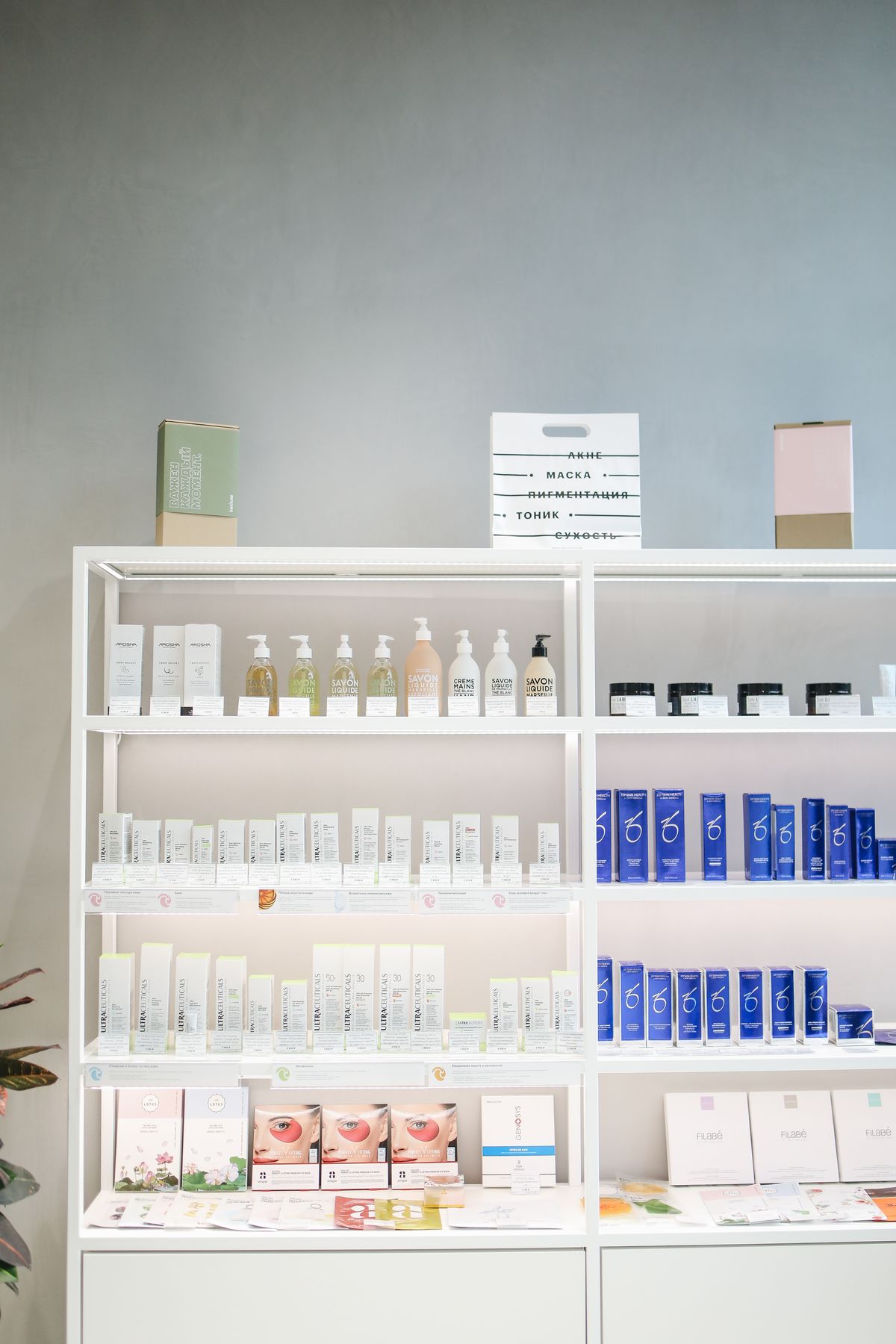
A well-organized skincare product display on shelves in a store

Korean beauty shops are stocked densely — a few key phrases make browsing them much easier.

Olive Young is Korea’s biggest health-and-beauty retail chain, and a near-mandatory stop for any beauty-focused trip — but with shelves packed floor to ceiling, knowing a few phrases makes shopping far less overwhelming.

How the audio works: tap the speaker button on any phrase and your device’s built-in Korean voice will say it out loud — no app or download needed.

Trying Before You Buy

Sample Request

saempeul isseoyo?

Do you have a sample?

Testing a Product

igeo sseo bwado dwaeyo?

Can I try this?

Getting Advice

Personalized Recommendation

je pibue matneun jepum chucheonhae juseyo

Please recommend a product that suits my skin

Comparing Options

eotteon ge deo joayo?

Which one is better?

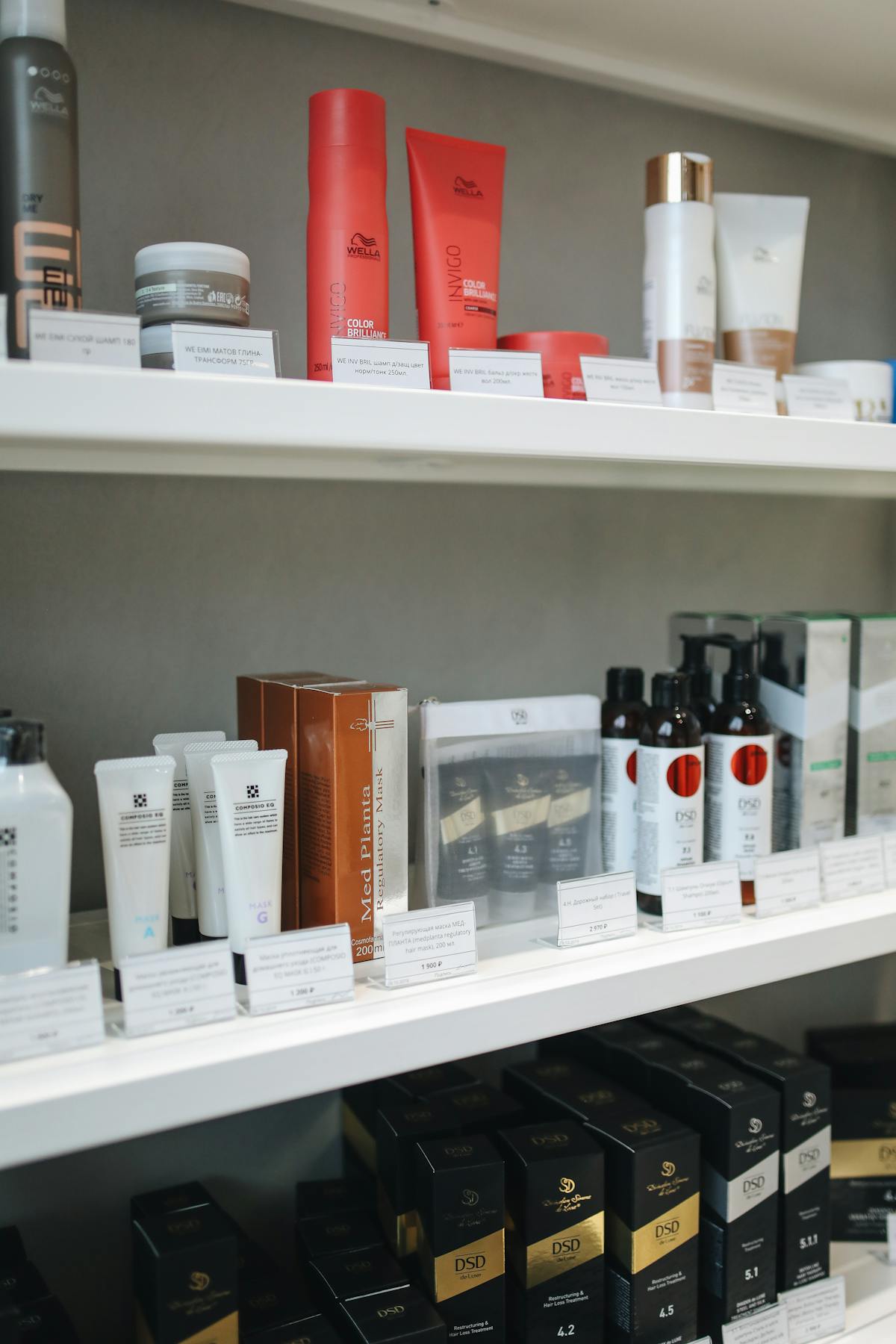
A variety of skincare and beauty products displayed neatly on store shelves

Staff at Korean beauty shops are usually very willing to help once you ask — even a short phrase opens the door to genuinely useful advice.

Deals and Checkout

Sales

harin eonje haeyo?

When is the discount / sale?

Tax-Free Shopping

myeonse badeul su isseoyo?

Can I get tax-free / duty-free? (relevant for tourists)

Olive Young frequently runs sales, and staff are used to being asked about them — it’s a completely normal question, not a haggling attempt, since prices are fixed at these stores.

Shopping Phrases Are Great Real-World Practice

Using Korean in an actual shop is one of the best ways to build real confidence quickly. Here’s the step-by-step system we recommend for getting there.

START LEARNING KOREAN →

© 2026 Learn Korean Online

Disclosure: This page may contain affiliate links. If you purchase through a link on this page, we may receive a commission at no additional cost to you.

Korean Skincare Routine Vocabulary

Korean Skincare Routine Vocabulary: What’s Actually on the Bottle (Tap to Hear It Spoken)

K-Beauty & Skincare Korean · Part 1

Korean Skincare Routine Vocabulary: What’s Actually on the Bottle

Korean skincare packaging is often entirely in Hangul, even on products sold internationally. Here’s what every bottle in a routine actually says. Tap any word below to hear it spoken.

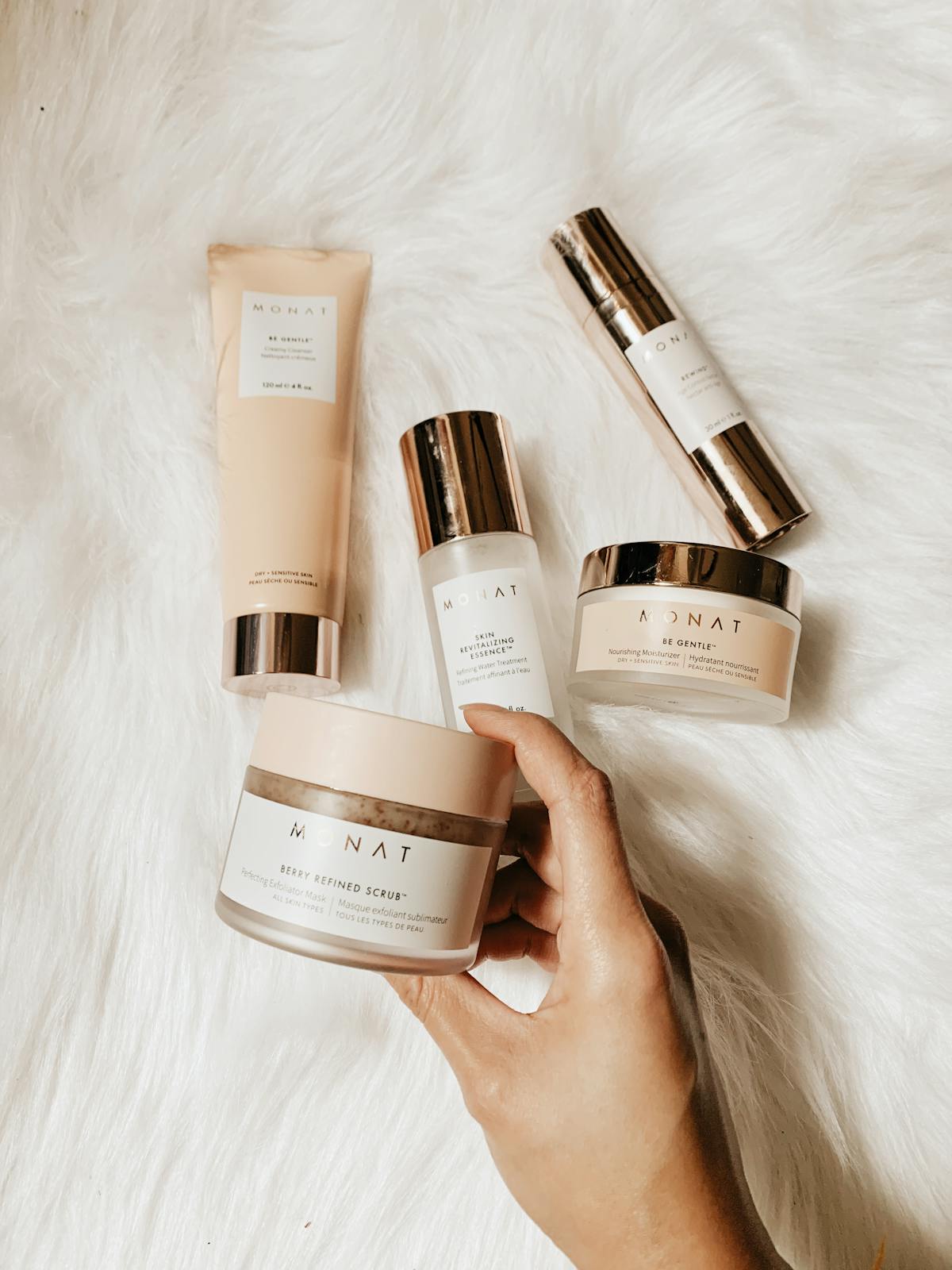
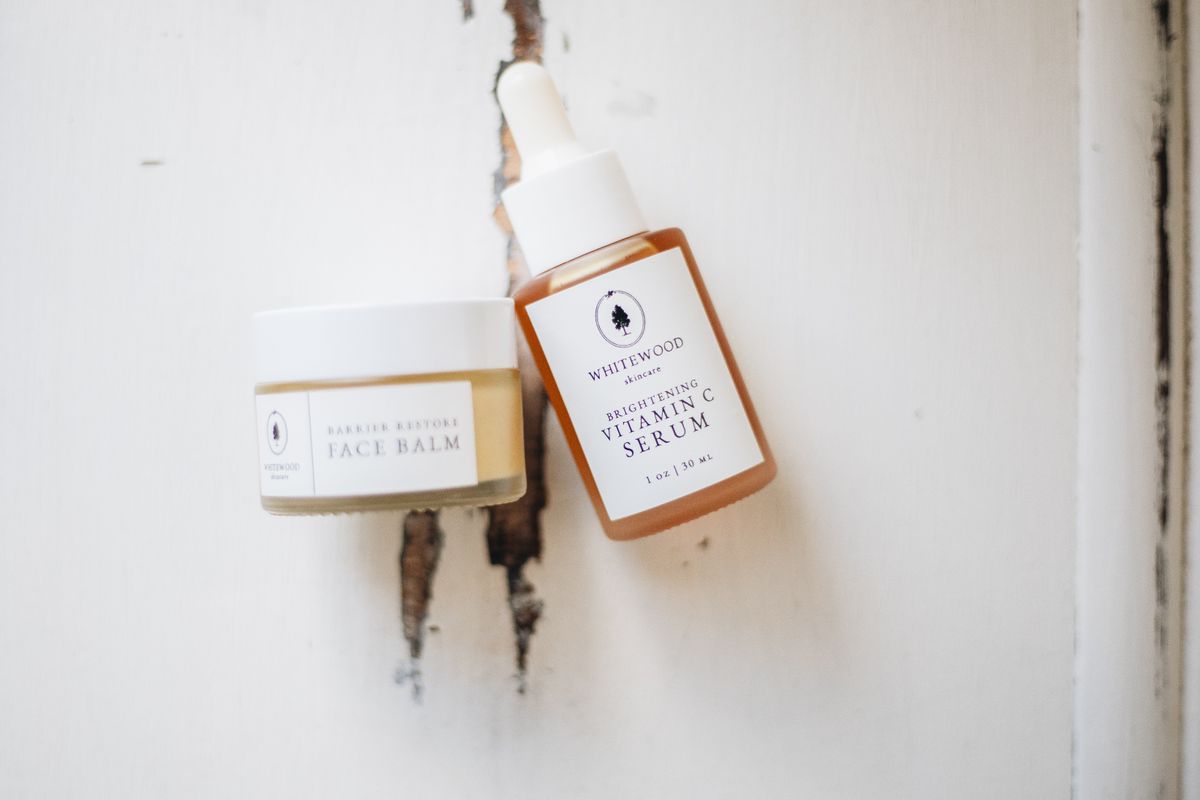
A collection of skincare products arranged on a soft surface

A full Korean skincare routine can run to 6 or more steps — each one has its own name.

The Korean multi-step skincare routine is famous for a reason — each product has a specific job, applied in a specific order. Here’s the typical sequence and the Korean word for each step, roughly from first to last.

How the audio works: tap the speaker button on any word and your device’s built-in Korean voice will say it out loud — no app or download needed.

The Routine, Step by Step

1
keullenjeo
Cleanser
2
toneo / seukin
Toner — often labeled either 토너 or 스킨 (“skin”)
3
esenseu
Essence — a lightweight, hydrating treatment layer
4
sereom
Serum — more concentrated, targets specific concerns
A minimalist flatlay of natural skincare products

Each product layer is meant to build on the one before it — lightest textures first, richest last.

5
keurim
Cream — the moisturizer that seals everything in
6
seonkeurim
Sunscreen — considered a non-negotiable final morning step

Not every step is used every day, and plenty of people skip essence or use a simplified routine — but knowing these words means you can actually read what a Korean skincare product is for, rather than guessing from the packaging alone.

Reading Labels Confidently Starts With Vocabulary

Once these core words feel familiar, understanding full ingredient lists and product descriptions is the next step. Here’s the step-by-step system we recommend for building that foundation.

START LEARNING KOREAN →

© 2026 Learn Korean Online

Disclosure: This page may contain affiliate links. If you purchase through a link on this page, we may receive a commission at no additional cost to you.

Korean Food and Drink

Korean Food and Drink Pairings Explained: 치맥, 안주, and More (Tap to Hear It Spoken)

Korean Drinking & Social Culture · Part 6

Korean Food and Drink Pairings Explained

Certain Korean foods and drinks are practically inseparable in the culture — knowing the pairings will help you order like you’ve done this before. Tap any word below to hear it spoken.

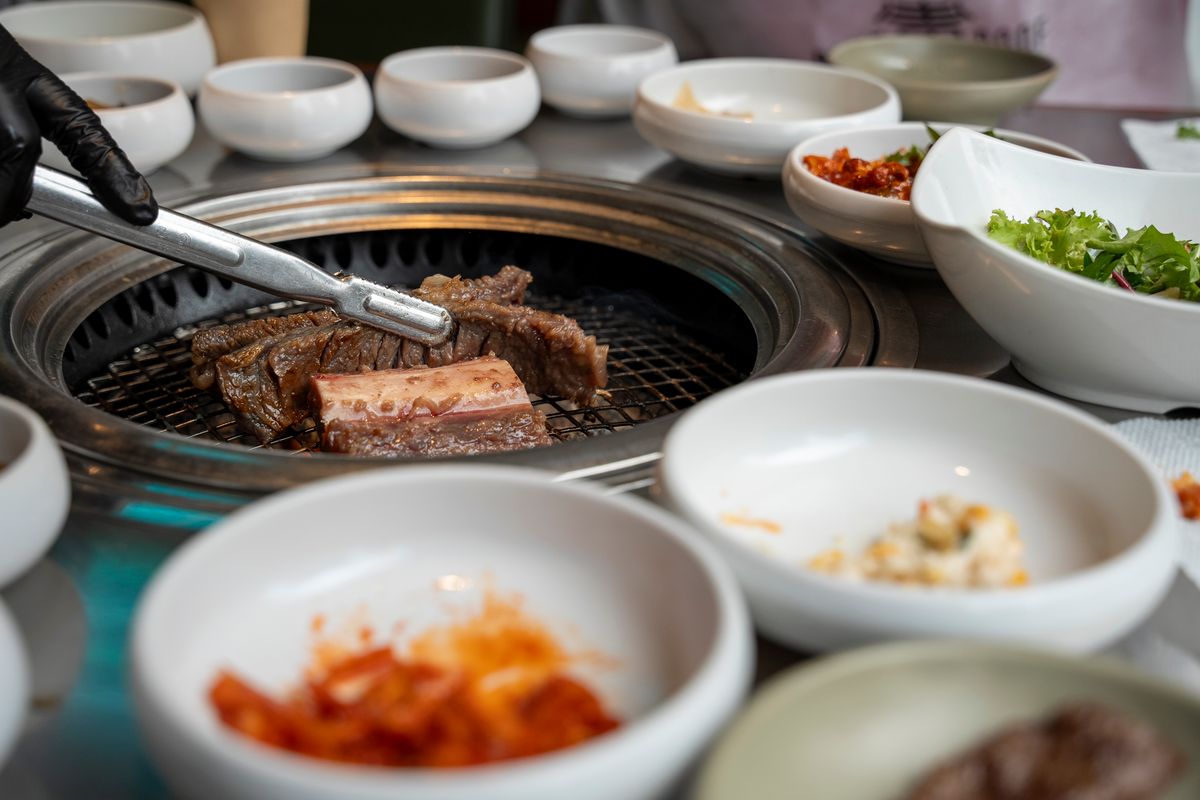
Traditional Korean BBQ grilling with assorted side dishes

Certain food and drink combinations are considered classic pairings across Korea, almost like a cultural shorthand of their own.

How the audio works: tap the speaker button on any word and your device’s built-in Korean voice will say it out loud — no app or download needed.

치맥 (Chimaek) — Fried Chicken and Beer

Possibly Korea’s most iconic pairing: crispy fried chicken with cold beer. The word itself is a blend of 치킨 (chicken) and 맥주 (maekju, beer) — it’s practically its own cultural institution, complete with dedicated chimaek festivals.

chimaek

삼겹살에 소주 — Pork Belly with Soju

Grilled pork belly (삼겹살, samgyeopsal) paired with soju is a cornerstone of Korean social dining — the fattiness of the meat is considered a natural match for soju’s clean, mild taste.

samgyeopsare soju
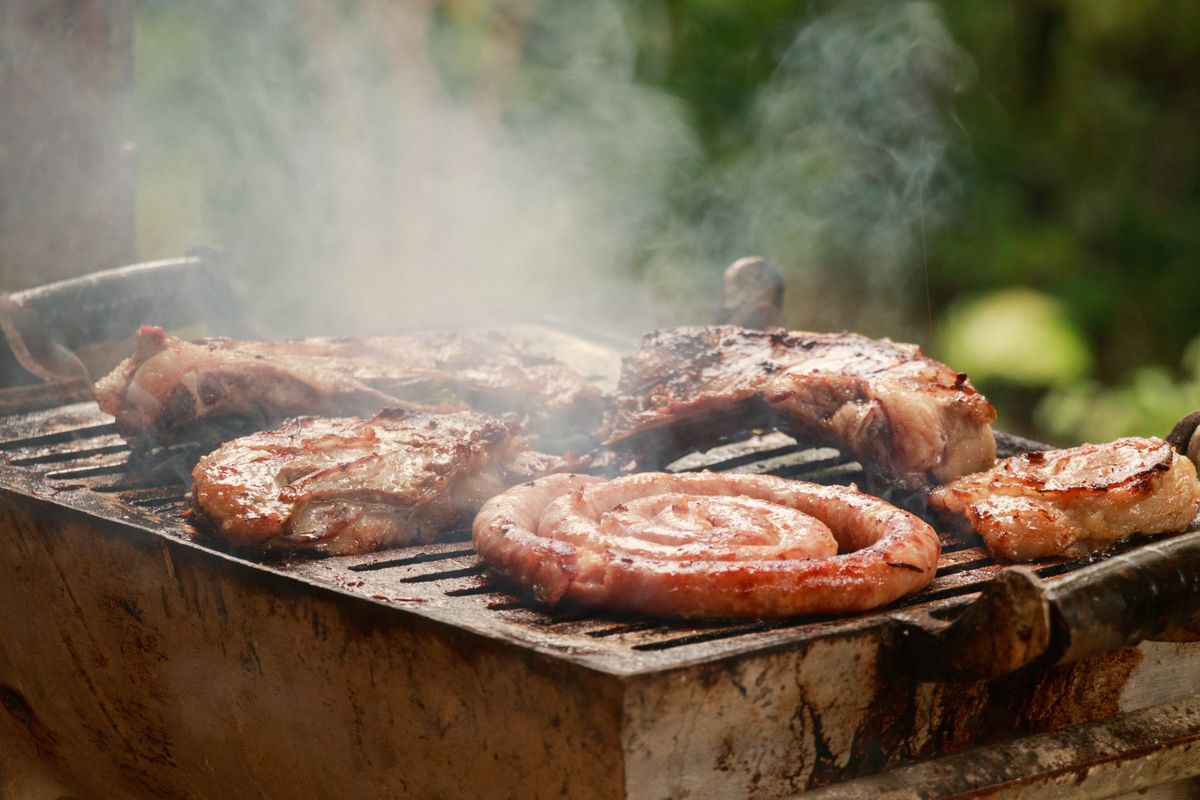
A sizzling grill with meat cooking, smoke rising

Grilled meat pairings are central to Korean social dining — the food and drink are meant to be enjoyed together, not separately.

파전에 막걸리 — Savoury Pancake with Makgeolli

On rainy days especially, Koreans reach for 파전 (savoury scallion pancake) with 막걸리 (makgeolli), a milky, lightly fizzy rice wine — a well-known and often joked-about pairing tied to rainy weather.

pajeone makgeolli

안주 — The General Concept

Beyond specific pairings, 안주 (anju) is the general word for food eaten while drinking — in Korean drinking culture, food and alcohol are rarely separated. Ordering a drink without any anju would be unusual in most social settings.

anju

Knowing these pairings isn’t just useful vocabulary — ordering them correctly (chimaek at a casual hangout, samgyeopsal and soju at a proper dinner) signals real familiarity with the culture, not just the language.

Food Culture Is a Great Way Into the Language

Ordering food and drink confidently is often the first real, useful Korean people put into practice. Here’s the step-by-step system we recommend for building on it.

START LEARNING KOREAN →

© 2026 Learn Korean Online

Disclosure: This page may contain affiliate links. If you purchase through a link on this page, we may receive a commission at no additional cost to you.

Café Culture in Korea

Café Culture in Korea: Ordering Like a Local (Tap to Hear It Spoken)

Korean Drinking & Social Culture · Part 5

Café Culture in Korea: Ordering Like a Local

Korea has one of the highest café densities in the world, and its own distinct ordering culture — including a famous devotion to iced coffee in the dead of winter. Tap any phrase below to hear it spoken.

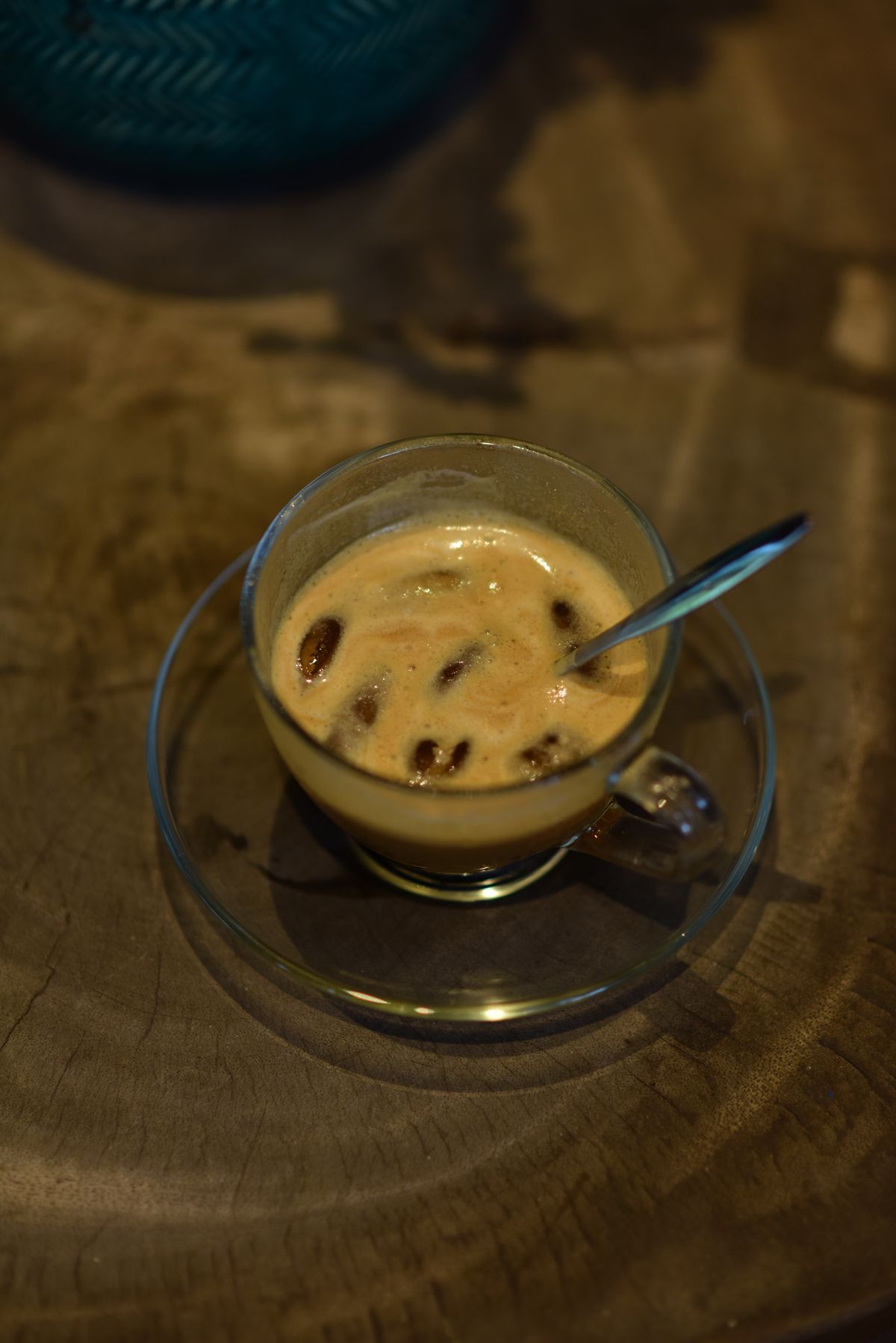
A creamy iced coffee served in a glass cup on a wooden table

Iced coffee, known affectionately as “아아,” is a year-round staple in Korean café culture, regardless of the weather.

Cafés are everywhere in Korea and function as much as social and study spaces as they do coffee shops. There’s also a genuinely famous local quirk: many Koreans drink iced Americanos even in freezing winter weather, a habit affectionately shortened to “아아” — short for 아이스 아메리카노.

How the audio works: tap the speaker button on any phrase and your device’s built-in Korean voice will say it out loud — no app or download needed.

Ordering the Classics

The Winter-Proof Classic

aiseu amerikano

Iced Americano — often just shortened to “아아” in speech

A Milkier Option

kape-latte

Café latte

Sorting Out the Details

For Here or To Go

yeogiseo deuseyo, gajyeogaseyo?

For here, or to take away? (what staff will ask you)

Answering “To Go”

teikeuaut halgeyo

I’ll take it to go

Sizing Up

saijeu eopgeureideu haejuseyo

Please upsize this

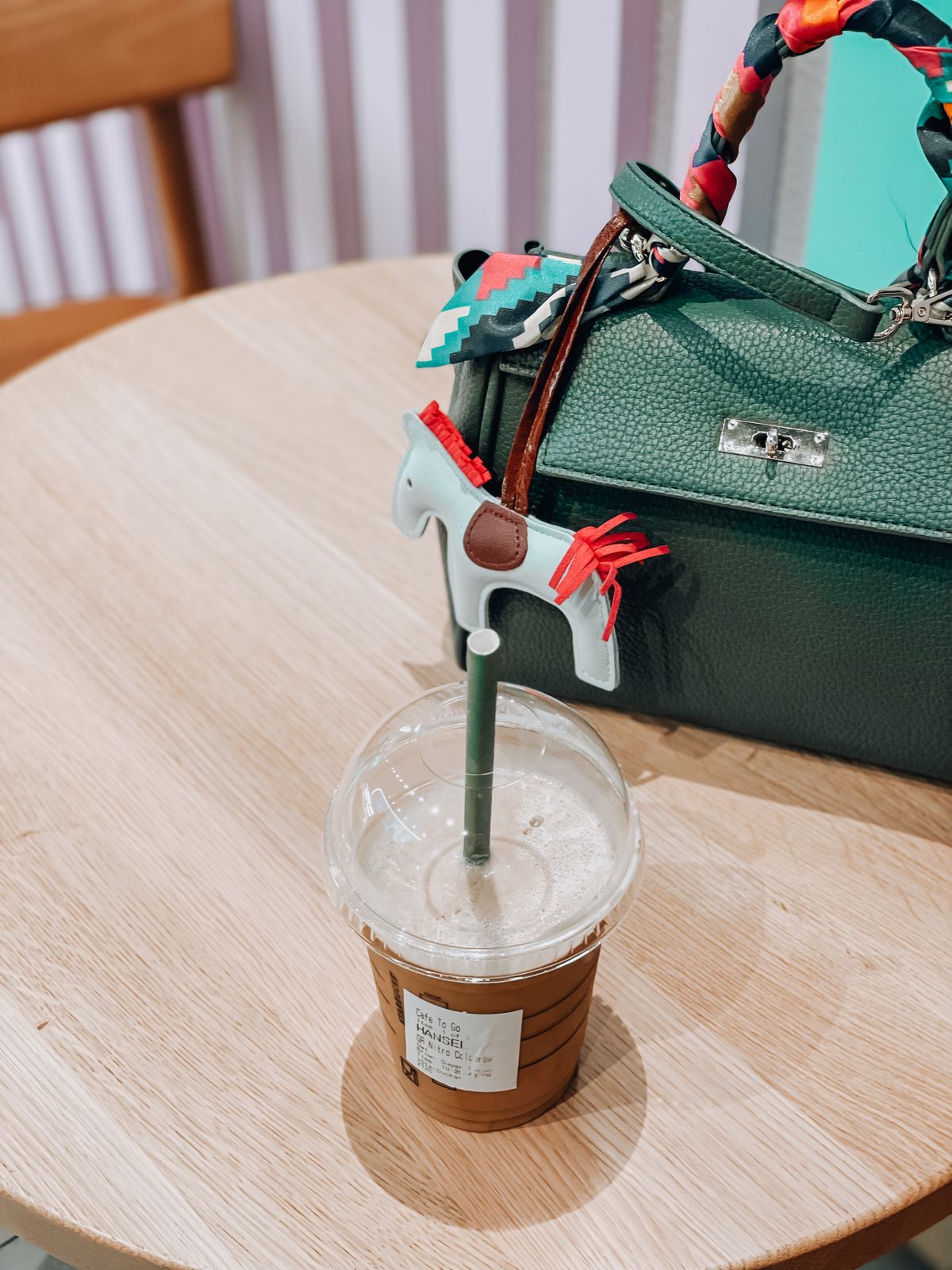
Iced coffee in a plastic cup with a straw next to a bag on a café table

Takeaway iced coffee is such a fixture of Korean daily life that it’s practically a cultural symbol at this point.

Korean café menus are often dominated by seasonal and dessert-style drinks, so don’t be surprised to see options like 아인슈페너 (Vienna coffee with whipped cream) or fruit-based teas alongside the usual espresso drinks. Ordering by pointing at the menu board is completely normal and expected if you’re not sure of a name.

Café Korean Is Some of the Most Useful Everyday Practice

Ordering coffee is a genuinely great low-stakes way to practise real Korean in a real setting. Here’s the step-by-step system we recommend for building the confidence to go further.

START LEARNING KOREAN →

© 2026 Learn Korean Online

Disclosure: This page may contain affiliate links. If you purchase through a link on this page, we may receive a commission at no additional cost to you.