Korean Workplace Titles & Honorifics: How to Address Colleagues

In a Korean workplace you address colleagues by their job title plus the honorific 님 (nim), not by their first name. A department head is 부장님 (bujang-nim), a manager is 과장님 (gwajang-nim) and a team leader is 팀장님 (timjang-nim). Colleagues of equal or lower rank are called by name plus 씨 (ssi), and polite speech (존댓말, jondaenmal) is the default with everyone.

Quick answerUse surname + title + 님 for anyone senior (김 부장님). Use name + 씨 for peers and juniors (민수 씨). Never call a superior by their first name or with 씨, and never add 님 to your own title.
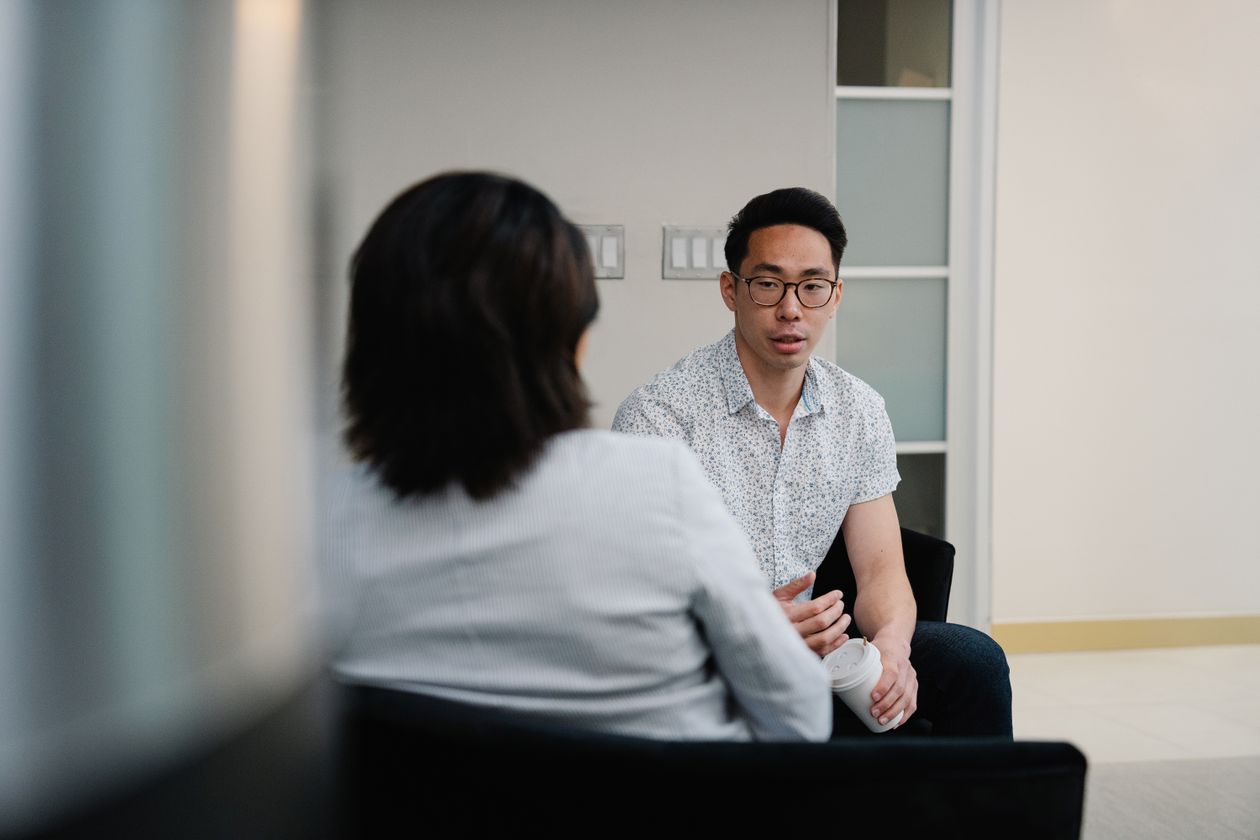
Colleagues talking in a modern office meeting
In most Korean companies, job titles replace first names in daily conversation. Photo: Pexels.

Why do Koreans use job titles instead of names at work?

Korean office culture is built around hierarchy and age, so a person’s position is part of how you speak to them. Using someone’s title shows you recognise their role. Calling a senior colleague by their first name, as you might in a UK office, comes across as rude or overly familiar.

The title usually comes after the surname: 김 과장님 (Kim gwajang-nim) means “Manager Kim”. Once you know someone well, the title alone (과장님) is perfectly normal.

What are the main Korean job titles in order of rank?

Ranks differ between companies, but the traditional ladder in a large Korean firm looks like this, from junior to senior:

Korean Romanisation Typical English equivalent
사원 sawon Staff / associate
주임 juim Senior staff
대리 daeri Assistant manager
과장 gwajang Manager
차장 chajang Deputy general manager
부장 bujang General manager / department head
이사 isa Director
상무 sangmu Managing director
전무 jeonmu Senior managing director
사장 sajang President / CEO
회장 hoejang Chairman

Role-based titles sit alongside the ladder. The most common is 팀장 (timjang, team leader). Many tech firms and start-ups have flattened their ranks and use 매니저 (maenijeo, manager), 프로 (peuro) or even English names instead. If you are unsure, listen to what colleagues call each other in your first week and copy them.

Tap to hear the essential titles

When do you use 님 (nim) and when do you use 씨 (ssi)?

님 is a respectful honorific added to titles. Use it whenever you speak to or about someone senior. 씨 is a polite but neutral suffix for colleagues of the same or lower rank, usually with their full name or given name (박지은 씨, 지은 씨).
Golden rules: never say 씨 to your boss. Never use 님 about yourself. Introduce yourself as “마케팅팀 김민수입니다” or “김 대리입니다”, without 님.
Office team working together at a table
Juniors usually call more experienced coworkers 선배님, even when they share the same title. Photo: Pexels.

Which speech level should you use at work?

Two polite levels cover almost every workplace situation:

  • Formal (하십시오체), -ㅂ니다 / -습니다 endings: for meetings, presentations, reports to senior management and first introductions. Example: 확인했습니다 (hwaginhaetseumnida), “I have checked it.”
  • Polite (해요체), -아요 / -어요 endings: for everyday conversation with colleagues and your direct team. Example: 확인했어요 (hwaginhaesseoyo).

Casual speech (반말, banmal) is only for close colleagues who have explicitly agreed to it, usually people of the same age.

What everyday office phrases should you know?

Be careful with 수고하세요 (sugohaseyo, “keep up the good work”). Many Koreans feel it sounds like a senior speaking down to a junior, so the safer choices for your boss are 수고하셨습니다 or 먼저 들어가 보겠습니다.

What are the most common mistakes foreigners make?

  • Using a manager’s first name, or “Mr Kim”, in Korean conversation.
  • Adding 님 to their own title when introducing themselves.
  • Switching to 반말 because a colleague is friendly.
  • Assuming English-name companies have no hierarchy. Seniority still shapes who speaks first and who decides.

Frequently asked questions

Can I call my Korean boss by their first name?

No. In Korean you address a boss by surname plus title plus 님, for example 김 부장님, or simply 부장님. First names are only used where a company has formally adopted English names or a no-title policy.

What does 님 (nim) mean in Korean?

님 is a respectful honorific suffix. It is attached to job titles (과장님), to some names in writing, and to words like 선생님 (teacher) to show respect. You never use it about yourself.

What do I call a Korean coworker who is my age?

Use their name plus 씨, for example 지은 씨, and polite 해요체 speech. Only switch to casual speech if they suggest it.

Is it rude to say 수고하세요 to my boss?

Many Koreans consider it slightly inappropriate from a junior to a senior, because it can sound like an instruction. Say 수고하셨습니다 or 먼저 들어가 보겠습니다 instead.

What is the difference between 부장 and 팀장?

부장 is a rank on the corporate ladder (general manager), while 팀장 is a role (team leader). A 부장 is often also a 팀장, and when someone holds both, people commonly use the role title 팀장님.

Ready to speak Korean with confidence?

Get the step-by-step roadmap we recommend for expats and long-term residents, from Hangul to fluent workplace Korean.
See how to learn Korean →

Long Distance Train Small Talk

Long-Distance Train Small Talk & Practical Phrases in Korean (Tap to Hear It Spoken)

Living in Korea · Dating & Relationships · Updated 2026

Long-Distance Train Small Talk & Practical Phrases in Korean

An interior view of a modern train with seated passengers during a journey

Photo: Italo Crespi / Pexels

Quick answer: On a long KTX ride, small talk with a seatmate is uncommon compared to some cultures — most Korean passengers keep to themselves, read, or sleep, so a polite 실례합니다 (sillyehamnida, “excuse me”) is more useful than starting a conversation. Still, a few practical phrases come up regularly: asking staff for help, reclining your seat politely, and ordering from the snack cart if there is one.
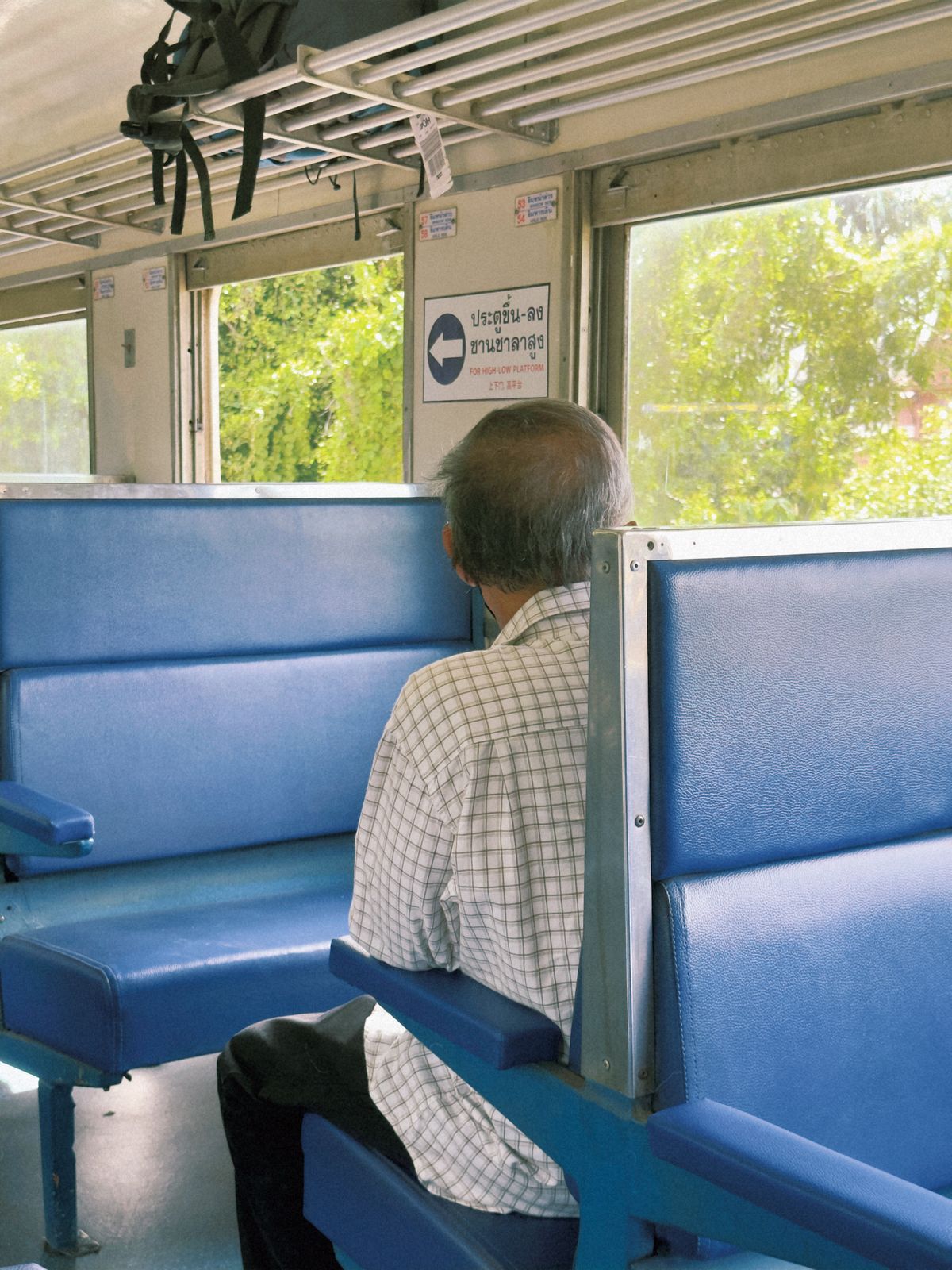
An elderly man sitting on a blue train seat looking out the window during his journey

Photo: billow926 / Pexels

Practical Requests to Staff

KTX staff walk through cars periodically checking tickets and can help with most practical questions — seat mix-ups, luggage issues, or general train information.

저기요, 실례합니다
jeogiyo, sillyehamnida
Excuse me (to get someone’s attention)
화장실이 어디예요?
hwajangsili eodiyeyo?
Where is the restroom?
이 열차 언제 도착해요?
i yeolcha eonje dochakhaeyo?
When does this train arrive?

Seat Etiquette and Small Interactions

Reclining your seat is generally fine but worth a quick glance or word to the person behind you, especially on a fuller train. Genuine small talk with strangers is rare on Korean trains, but short, polite exchanges (excuse-me’s, thank-you’s) are common and expected.

의자 좋혀도 될까요?
uija joheodo doelkkayo?
Is it okay if I recline my seat?
감사합니다
gamsahamnida
Thank you (formal)
죄송합니다
joesonghamnida
I’m sorry / excuse me (formal, for minor inconvenience)

Snack Carts and On-Board Purchases

Not all KTX trains have a snack cart or cafe car, and availability has decreased over the years, but when present, ordering follows simple, predictable phrasing similar to any counter purchase.

이거 얼마예요?
igeo eolmayeyo?
How much is this?
커피 한 잔 주세요
keopi han jan juseyo
One coffee, please
카드로 계산할게요
kadeuro gyesanhalgeyo
I’ll pay by card
💡 Practical note: On newer KTX trains, snack carts are less common than in the past — bringing your own food and drinks is a safe bet, especially for longer routes.

Frequently Asked Questions

Do Koreans make small talk with strangers on trains?

Not typically — most passengers keep to themselves, so short polite exchanges (excuse me, thank you) are more common than casual conversation.

How do you politely ask to recline your seat in Korean?

의자 좋혀도 될까요? (uija joheodo doelkkayo?) is a polite way to check before reclining, especially on a full train.

Are there snack carts on KTX trains?

Some trains still have them, but availability has decreased over the years — it’s a good idea to bring your own snacks and drinks for longer journeys.

How do you get a staff member’s attention on a Korean train?

저기요, 실례합니다 (jeogiyo, sillyehamnida), meaning “excuse me,” is the standard polite way to get someone’s attention.

Even the quiet moments need the right words

A long train ride is full of small, practical exchanges — the kind of everyday Korean that makes daily life in Korea click.

START LEARNING KOREAN →

© 2026 Learn Korean Online

Disclosure: This page may contain affiliate links. If you purchase through a link on this page, we may receive a commission at no additional cost to you.

Delays, Missed Trains & Changes in Korean

Delays, Missed Trains & Changes in Korean: What to Say When Things Go Wrong (Tap to Hear It Spoken)

Living in Korea · Dating & Relationships · Updated 2026

Delays, Missed Trains & Changes in Korean: What to Say When Things Go Wrong

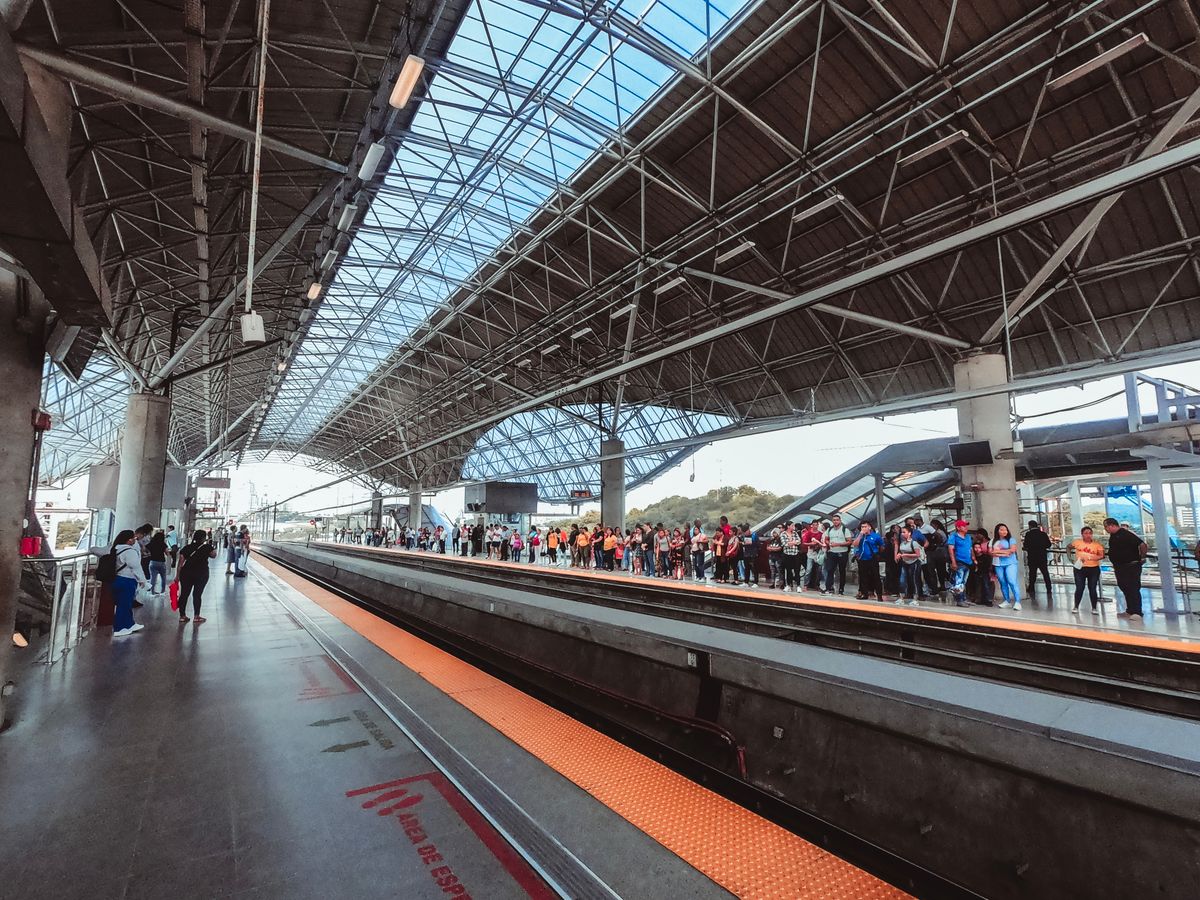
A busy train station platform filled with passengers waiting under a modern glass ceiling

Photo: Luis Quintero / Pexels

Quick answer: If you miss your train, the key phrase is 기차를 놓쳤어요 (gichareul notchyeosseoyo, “I missed my train”), and station staff can usually help rebook onto the next available departure, sometimes for a small fee. For delays, 연착되었나요? (“is it delayed?”) is the natural way to ask at a counter or information desk.
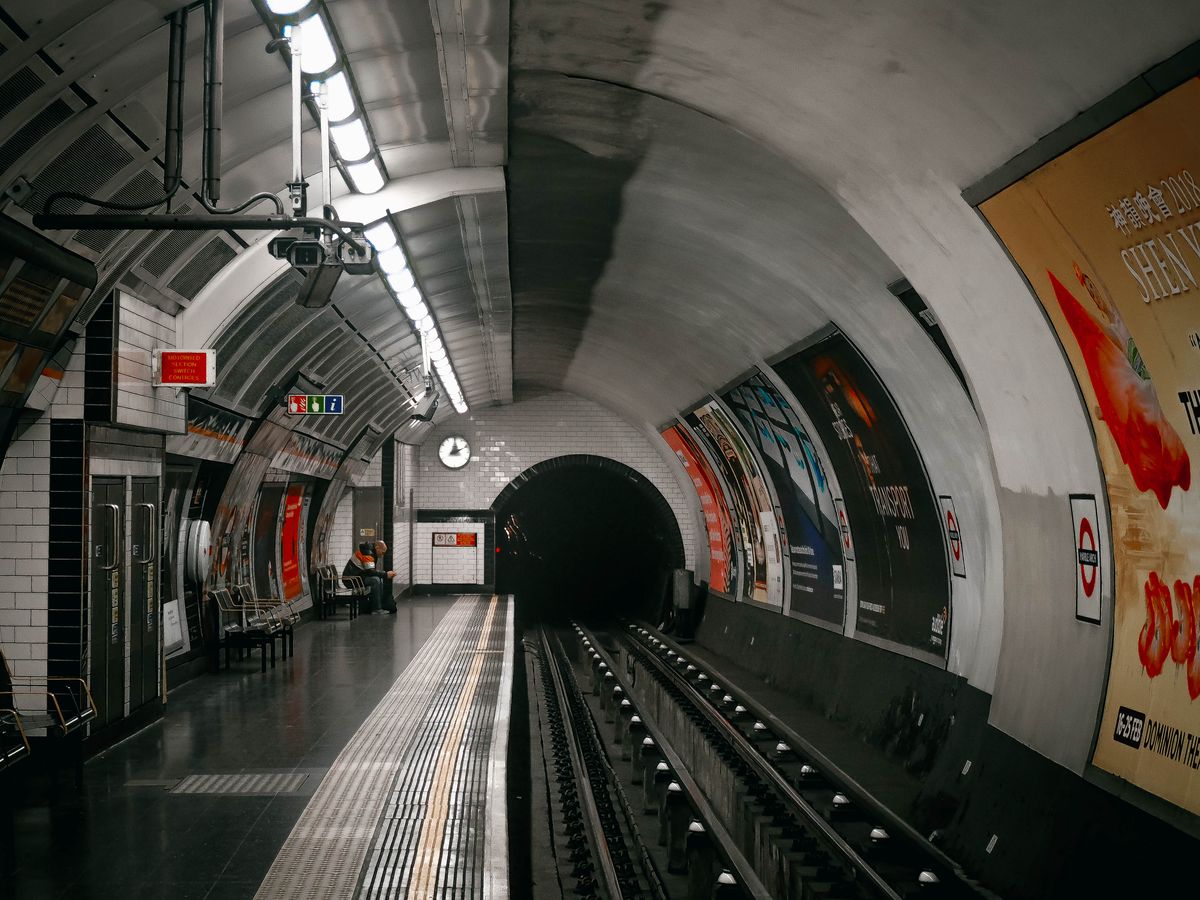
An empty underground train platform with a waiting area and tunnel

Photo: Jacek Herbut / Pexels

Asking About Delays

KTX delays are relatively uncommon but do happen, and stations post updated departure info on digital boards. If information isn’t clear, asking staff directly is usually faster than trying to interpret an ambiguous announcement.

연착되었나요?
yeonchakdoeeotnayo?
Is it delayed?
얼마나 늘어질까요?
eolmana neureojiljkkayo?
How much will it be delayed by?
이유가 뭐예요?
iyuga mwoyeyo?
What’s the reason for the delay?

Missing Your Train

If you miss a KTX or SRT departure, going to the ticket counter (rather than trying to fix it in the app) is often the fastest path to rebooking, since staff can immediately check seat availability on later trains.

기차를 놓쳤어요
gichareul notchyeosseoyo
I missed my train
다음 차로 바꿀 수 있나요?
daeum charo bakkul su innayo?
Can I change to the next train?
추가 요금이 있나요?
chuga yogeumi innayo?
Is there an additional fee?

Refunds and Rebooking

Korean rail refund policies are generally straightforward but time-sensitive — fees increase closer to departure, and same-day cancellations often carry a partial penalty. Knowing this vocabulary helps you handle changes calmly rather than relying entirely on app menus.

환불해 주세요
hwanbulhae juseyo
Please give me a refund
수수료가 얼마예요?
susuryoga eolmayeyo?
How much is the cancellation fee?
날짜만 변경하고 싶어요
naljjaman byeongyeonghago sipeoyo
I’d just like to change the date
💡 Practical note: Refund and rebooking rules differ slightly between Korail (KTX) and SRT, so check the specific app or ask staff directly rather than assuming the policies match.

Frequently Asked Questions

How do you say ‘I missed my train’ in Korean?

기차를 놓쳤어요 (gichareul notchyeosseoyo) means “I missed my train,” and staff can usually help rebook you onto the next available departure.

How do you ask if a train is delayed?

연착되었나요? (yeonchakdoeeotnayo?) is the natural way to ask “is it delayed?” at a counter or information desk.

Can you get a refund on a Korean train ticket?

Yes, refunds are generally possible, but fees increase closer to departure time, and same-day cancellations often carry a partial penalty.

Is it better to rebook in the app or at the counter after missing a train?

Going directly to the ticket counter is often faster, since staff can immediately check and confirm seat availability on later trains.

Handling problems calmly is real fluency

Knowing what to say when a plan changes is just as valuable as knowing how to book the ticket in the first place.

START LEARNING KOREAN →

© 2026 Learn Korean Online

Disclosure: This page may contain affiliate links. If you purchase through a link on this page, we may receive a commission at no additional cost to you.

On the Train: Seats, Luggage & Etiquette in Korean

On the Train: Seats, Luggage & Etiquette in Korean (Tap to Hear It Spoken)

Living in Korea · Dating & Relationships · Updated 2026

On the Train: Seats, Luggage & Etiquette in Korean

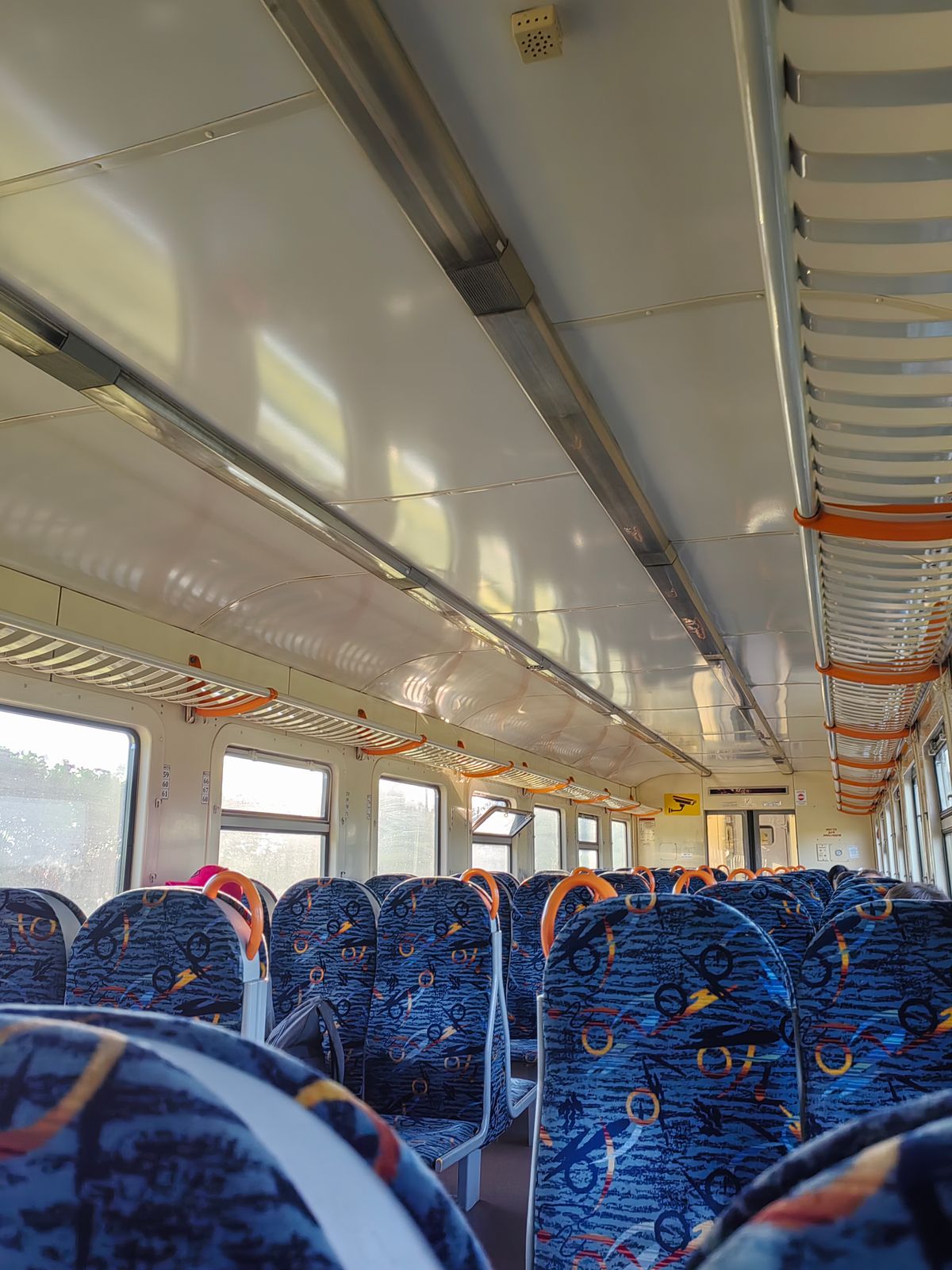
Sunlit interior of a modern train with blue seats and orange striped patterns

Photo: Yusei Prosto / Pexels

Quick answer: 이건 제 자리예요 (igeon je jariyeyo, “this is my seat”) is the phrase to know if someone is sitting in your reserved KTX seat — a common, easily resolved mix-up since reserved seating is standard on Korean high-speed trains. Luggage generally goes on overhead racks or in the space between seat backs, and Korean trains have a genuinely quiet, low-volume culture, especially in reserved cars.
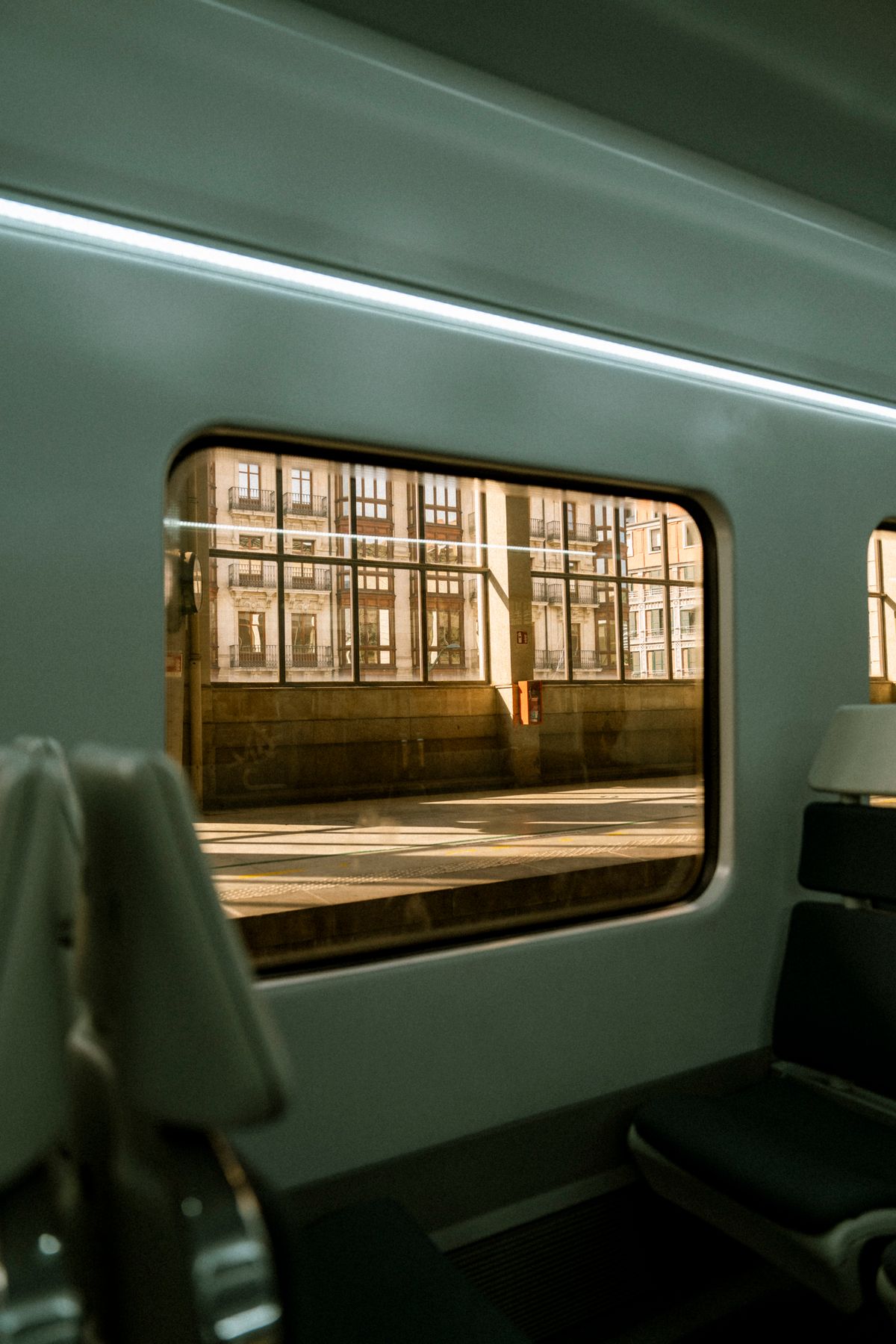
Empty seats by the window in a modern train at a sunlit railway station

Photo: Noland Live / Pexels

Finding and Confirming Your Seat

KTX and most intercity trains use assigned seating, printed clearly on your ticket or app confirmation as a car number and seat number. Occasional mix-ups happen, and there’s a simple, polite way to resolve them without confrontation.

이건 제 자리예요
igeon je jariyeyo
This is my seat
몇 호차예요?
myeot hochayeyo?
Which car number is it?
자리 바꿀 수 있을까요?
jari bakkul su isseulkkayo?
Could we switch seats?

Storing Luggage

Large suitcases typically go in dedicated luggage racks near the doors or car entrances on KTX trains, while smaller bags fit in overhead racks. It’s polite to keep aisles and shared racks clear rather than blocking access to seats near you.

짐 어디에 놓을까요?
jim eodie noeulkkayo?
Where should I put my luggage?
선반 위에 올려도 돼요?
seonban wie ollyeodo dwaeyo?
Can I put it on the overhead rack?
짐이 무거워요
jimi mugeowoyo
The luggage is heavy

Quiet Car and General Etiquette

Phone calls are generally taken in the connecting area between cars rather than at your seat, and speaking quietly is the norm even outside designated quiet cars. Eating is fine but strong-smelling food is best avoided, especially on shorter journeys.

전화는 연결 통로에서 부탁드려요
jeonhwaneun yeongyeol tongnoeseo butakdeuryeoyo
Please take phone calls in the connecting area (announcement-style)
조용히 해주시겠어요?
joyonghi haejusigesseoyo?
Could you keep it down, please? (polite)
자리 준비 다 되셨어요?
jari junbi da doesyeosseoyo?
Are you all settled in your seat?
💡 Cultural note: KTX’s designated quiet car (대말 구간) enforces silence strictly — save calls and loud conversations for other cars.

Frequently Asked Questions

What do you say if someone is sitting in your reserved seat?

이건 제 자리예요 (igeon je jariyeyo), meaning “this is my seat,” politely clears up the mix-up.

Where does luggage go on a KTX train?

Large suitcases typically go in dedicated racks near the doors or car entrances, while smaller bags fit in overhead racks above the seats.

Is there a quiet car on Korean trains?

Yes, KTX has a designated quiet car (대말 구간) where silence is strictly expected, though a generally quiet culture applies throughout the train.

Is it okay to eat on Korean trains?

Yes, eating is generally fine, but strong-smelling food is best avoided out of consideration for other passengers, especially on shorter routes.

Comfort on board starts with confidence in the language

Knowing exactly what to say if something’s off makes any train ride smoother. Keep building your practical Korean.

START LEARNING KOREAN →

© 2026 Learn Korean Online

Disclosure: This page may contain affiliate links. If you purchase through a link on this page, we may receive a commission at no additional cost to you.

Subway Essentials in Korean: T-money Cards, Lines & Rush Hour

Subway Essentials in Korean: T-money Cards, Lines & Rush Hour (Tap to Hear It Spoken)

Living in Korea · Dating & Relationships · Updated 2026

Subway Essentials in Korean: T-money Cards, Lines & Rush Hour

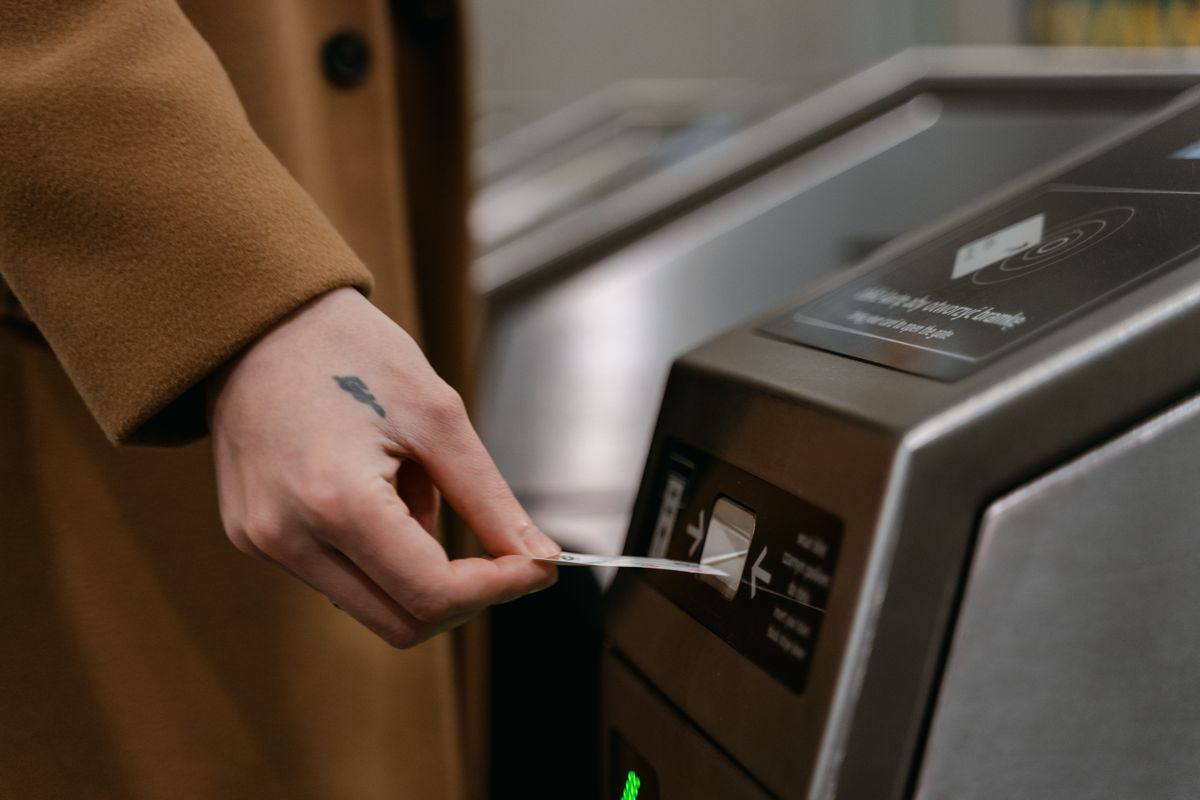
A close-up of a person inserting a ticket into a turnstile at a train station

Photo: MART PRODUCTION / Pexels

Quick answer: 티메니 (T-money) is the rechargeable transit card used across Korea’s subways, buses, and even some taxis and convenience stores. To ask for one, 티메니 카드 있나요? (“do you have a T-money card?”) works at most convenience stores, and topping it up is called 충전 (chungjeon).
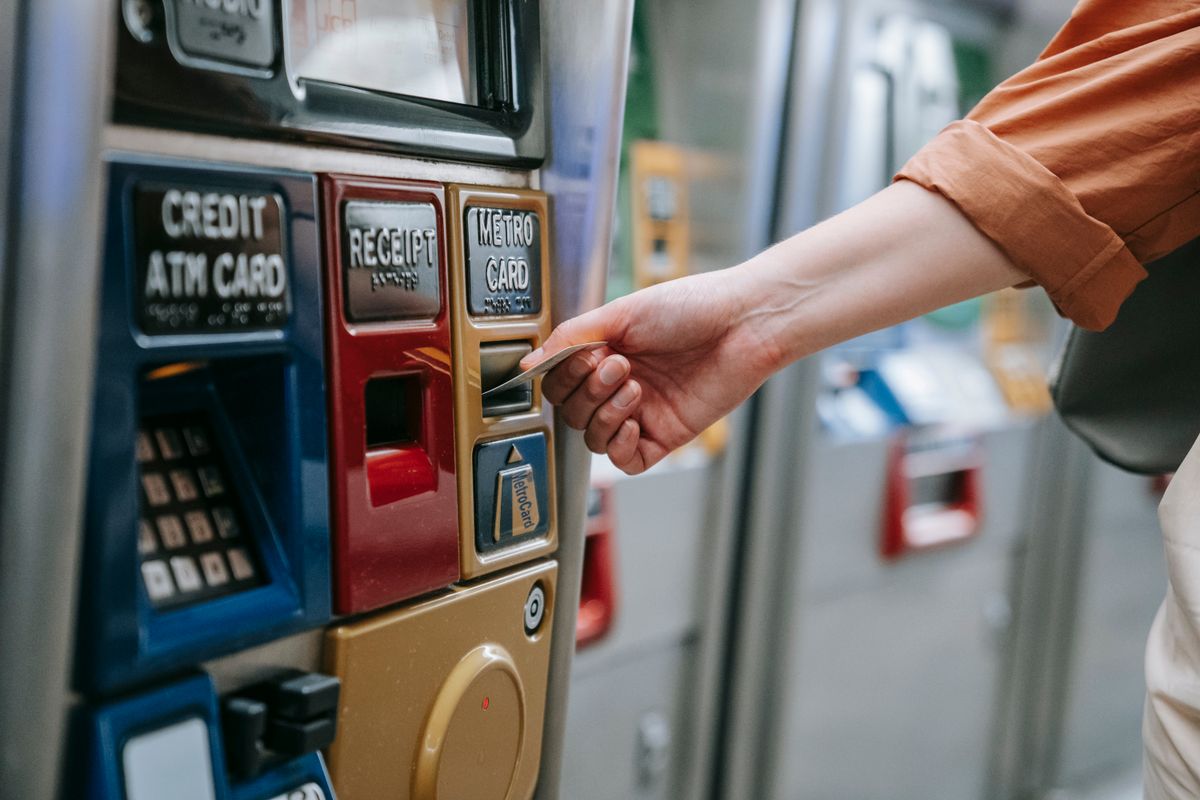
A person using an automated metro card machine for public transport payment

Photo: Liliana Drew / Pexels

Getting and Using a T-money Card

T-money cards are sold and reloaded at convenience stores (GS25, CU, 7-Eleven) and station machines, and work across nearly all public transit in Korea, including intercity buses in some regions. Tapping in and out on transfers, not just entry, is important — failing to tap out can result in a higher fare being charged.

티메니 카드 주세요
timeoni kadeu juseyo
T-money card, please
이거 충전 돼요?
igeo chungjeon dwaeyo?
Can this be topped up/recharged?
카드 잔액 확인해주세요
kadeu jandaek hwaginhaejuseyo
Please check the card balance

Subway Lines and Transfers

Seoul’s subway system is organized by numbered and colored lines (호선, hoseon), and major transfer hubs can involve a genuine walk between platforms. Knowing your line number and direction (bound for which end station) makes transfers far smoother.

몇 호선이에요?
myeot hoseonieyo?
Which line number is it?
이 열차 강남역 가요?
i yeolcha gangnam-yeok gayo?
Does this train go to Gangnam Station?
반대 방향이에요
bandae banghyangieyo
It’s the opposite direction

Rush Hour Etiquette

Seoul subway rush hour (출퇴근 시간, chultoegeun sigan) can get extremely crowded, and there are unspoken but widely followed norms around standing near doors, letting people off before boarding, and using priority seats (노약자석) only when appropriate.

내리고 타주세요
naerigo tajuseyo
Please let people off before boarding
노약자석
noyakjaseok
Priority seat (for elderly, pregnant, disabled)
자리 있어요?
jari isseoyo?
Is there a seat available?
💡 Cultural note: Priority seats are respected strongly in Korea, even when they appear empty during quiet hours — it’s generally best to avoid sitting there unless you qualify.

Frequently Asked Questions

What is a T-money card?

티메니 (T-money) is Korea’s rechargeable transit card, usable on subways, buses, and some taxis and stores nationwide.

Where can you buy or recharge a T-money card?

Convenience stores like GS25, CU, and 7-Eleven sell and reload T-money cards, as do machines inside most subway stations.

Do you need to tap your T-money card when transferring?

Yes — tapping in and out at transfers, not just at entry, is important, since failing to tap out correctly can result in a higher fare being charged.

What does noyakjaseok mean on the subway?

노약자석 (noyakjaseok) means “priority seat,” reserved for elderly, pregnant, or disabled passengers, and it’s respected even when visibly empty.

The subway is where daily Korean really lives

These small, practical phrases get used constantly — they’re some of the highest-value Korean you can learn.

START LEARNING KOREAN →

© 2026 Learn Korean Online

Disclosure: This page may contain affiliate links. If you purchase through a link on this page, we may receive a commission at no additional cost to you.

Reading Station Signs & Announcements in Korean: Finding Your Platform

Reading Station Signs & Announcements in Korean: Finding Your Platform (Tap to Hear It Spoken)

Living in Korea · Dating & Relationships · Updated 2026

Reading Station Signs & Announcements in Korean: Finding Your Platform

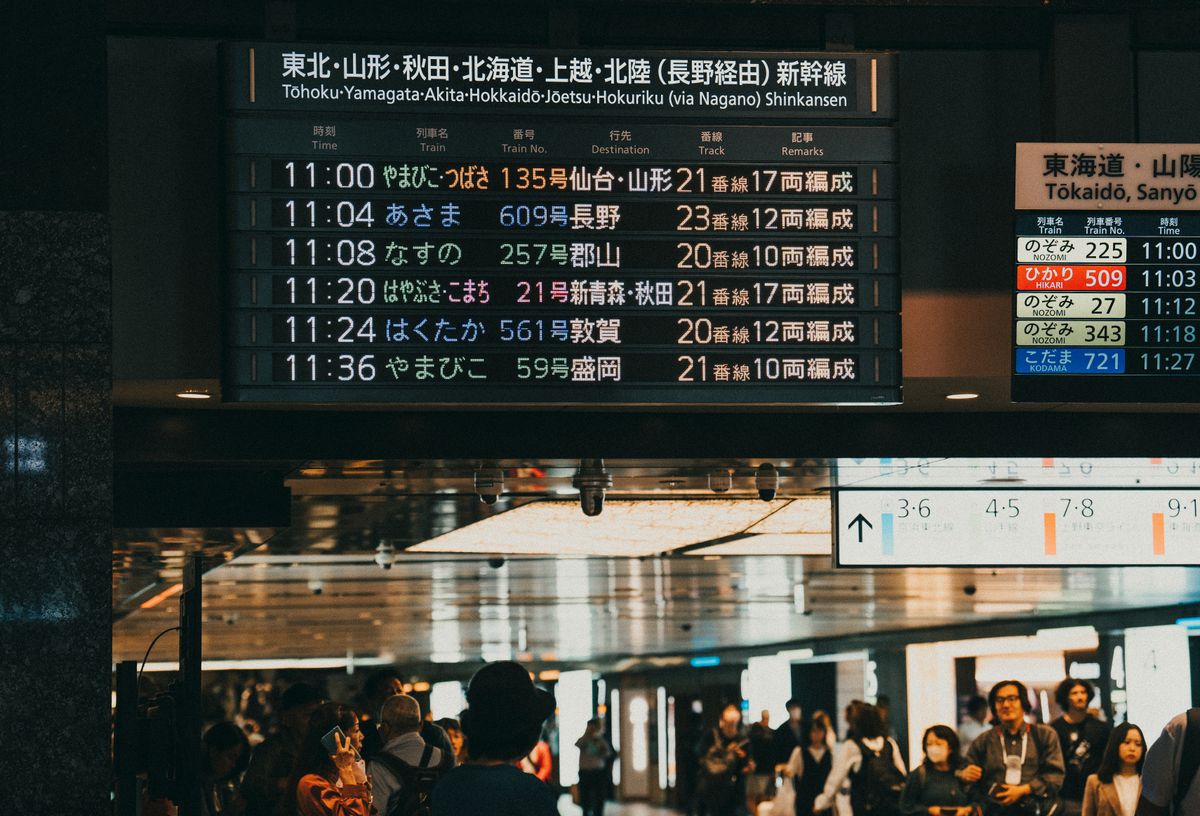
A busy Asian train station with a digital departure board displaying schedules

Photo: G N / Pexels

Quick answer: The most important sign words to recognize in a Korean station are 승강장 (seunggangjang, “platform”), 환승 (hwanseung, “transfer”), and 출구 (chulgu, “exit”). Digital departure boards typically show train number, destination, platform, and departure time in that order, and most stations also display these in English, but recognizing the Korean helps when a board is Korean-only or an announcement is audio-only.
A busy train station with a prominent departure board and commuters passing through

Photo: Pixabay / Pexels

Core Station Vocabulary

A handful of words cover almost everything you’ll need to navigate a station sign or departure board independently, even in stations without English signage.

승강장
seunggangjang
Platform
출구
chulgu
Exit
매표소
maepyoso
Ticket office/counter

Transfers and Navigation

환승 (hwanseung, “transfer”) is one of the most useful words to recognize quickly, since major stations like Seoul Station or Yongsan connect multiple lines and require clear transfer signage to navigate efficiently, especially during a tight connection.

환승
hwanseung
Transfer
이쪼 방향이에요
ijjok banghyangieyo
It’s this way (direction)
몇 번 승강장이에요?
myeot beon seunggangjangieyo?
Which platform number is it?

Common Announcements

Station and on-board announcements follow fairly predictable patterns, usually announcing the train number, destination, and any relevant safety or boarding instructions. Recognizing a few key phrases makes announcements far less intimidating even at full speed.

잠시 후 열차가 도착합니다
jamsi hu yeolchaga dochakhamnida
The train will arrive shortly
내릴 문은 오른쪼입니다
naeril muneun oreunjjogimnida
The doors will open on the right
안전선에서 물러서 서 주십시오
anjeonseoneseo mulleoseo ju sipsio
Please stand behind the safety line
💡 Practical note: KTX platform assignments sometimes aren’t confirmed until close to departure time, so it’s worth watching the board rather than heading straight to a platform based on an app’s earlier estimate.

Frequently Asked Questions

What does seunggangjang mean?

승강장 (seunggangjang) means “platform” in Korean, one of the most important words for navigating any train or subway station.

What does hwanseung mean on Korean signs?

환승 (hwanseung) means “transfer,” used to indicate where to change trains or lines within a station.

Are train station announcements in Korea also in English?

Major stations and KTX trains typically include English announcements alongside Korean ones, though smaller stations may be Korean-only.

How do you ask which platform a train departs from in Korean?

몇 번 승강장이에요? (myeot beon seunggangjangieyo?) means “which platform number is it?” and is a natural way to ask station staff.

Signs and announcements get easier fast

Once these core station words click, navigating any Korean train station becomes second nature. Keep building from here.

START LEARNING KOREAN →

© 2026 Learn Korean Online

Disclosure: This page may contain affiliate links. If you purchase through a link on this page, we may receive a commission at no additional cost to you.

Buying Train Tickets in Korean: KTX, SRT & Ticket Machines

Buying Train Tickets in Korean: KTX, SRT & Ticket Machines (Tap to Hear It Spoken)

Living in Korea · Dating & Relationships · Updated 2026

Buying Train Tickets in Korean: KTX, SRT & Ticket Machines

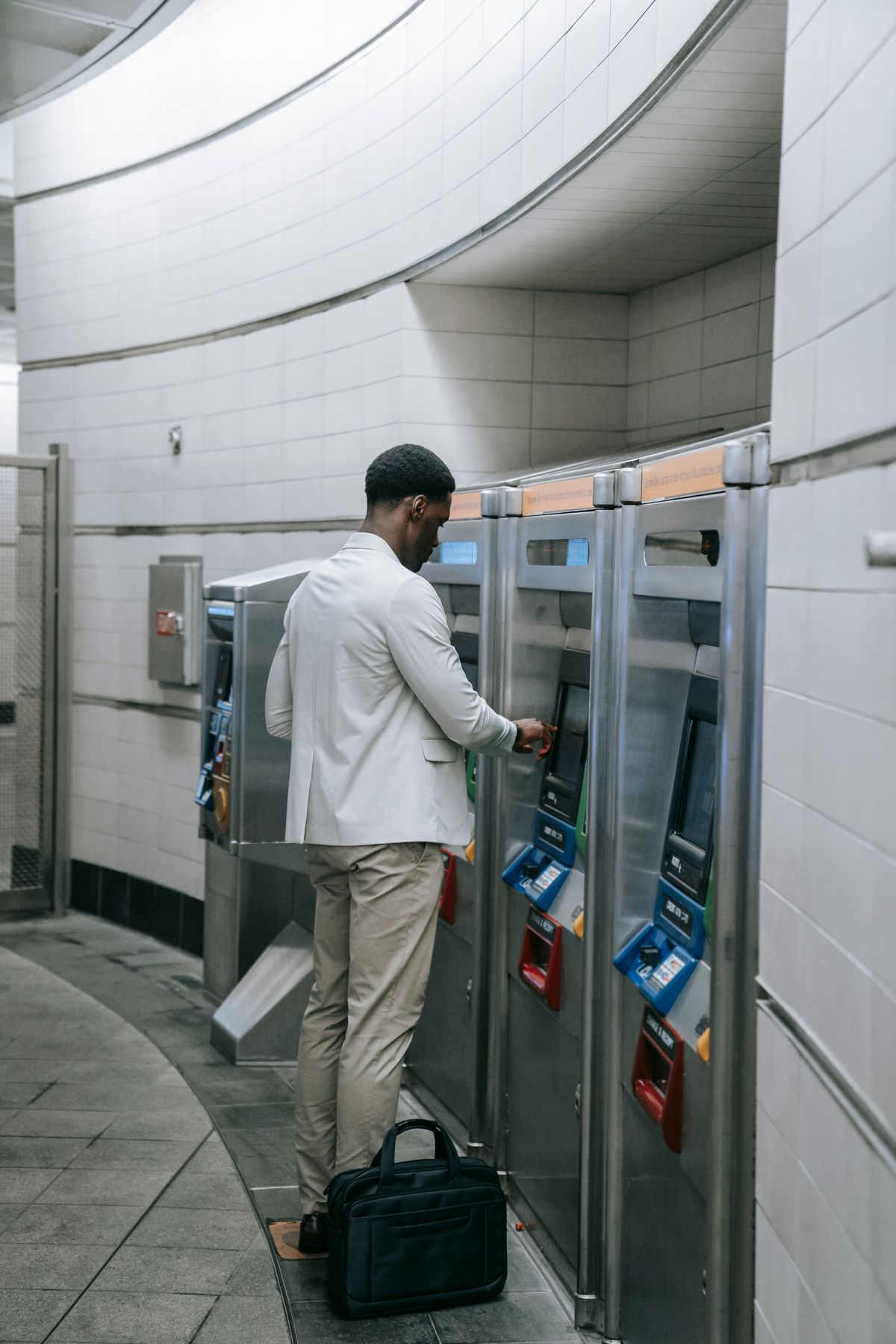
A man in business attire purchasing a ticket from a machine at a train station

Photo: Liliana Drew / Pexels

Quick answer: To buy a KTX ticket in Korean, the key phrase is [목적지]까지 표 한 장 주세요 (“one ticket to [destination], please”), and most stations have both staffed counters (매표소) and self-service ticket machines. KTX and SRT are Korea’s two high-speed rail operators, with separate booking apps (Korail’s Korail Talk / letskorail for KTX, and the SRT app), so it’s worth knowing which one serves your route before you book.
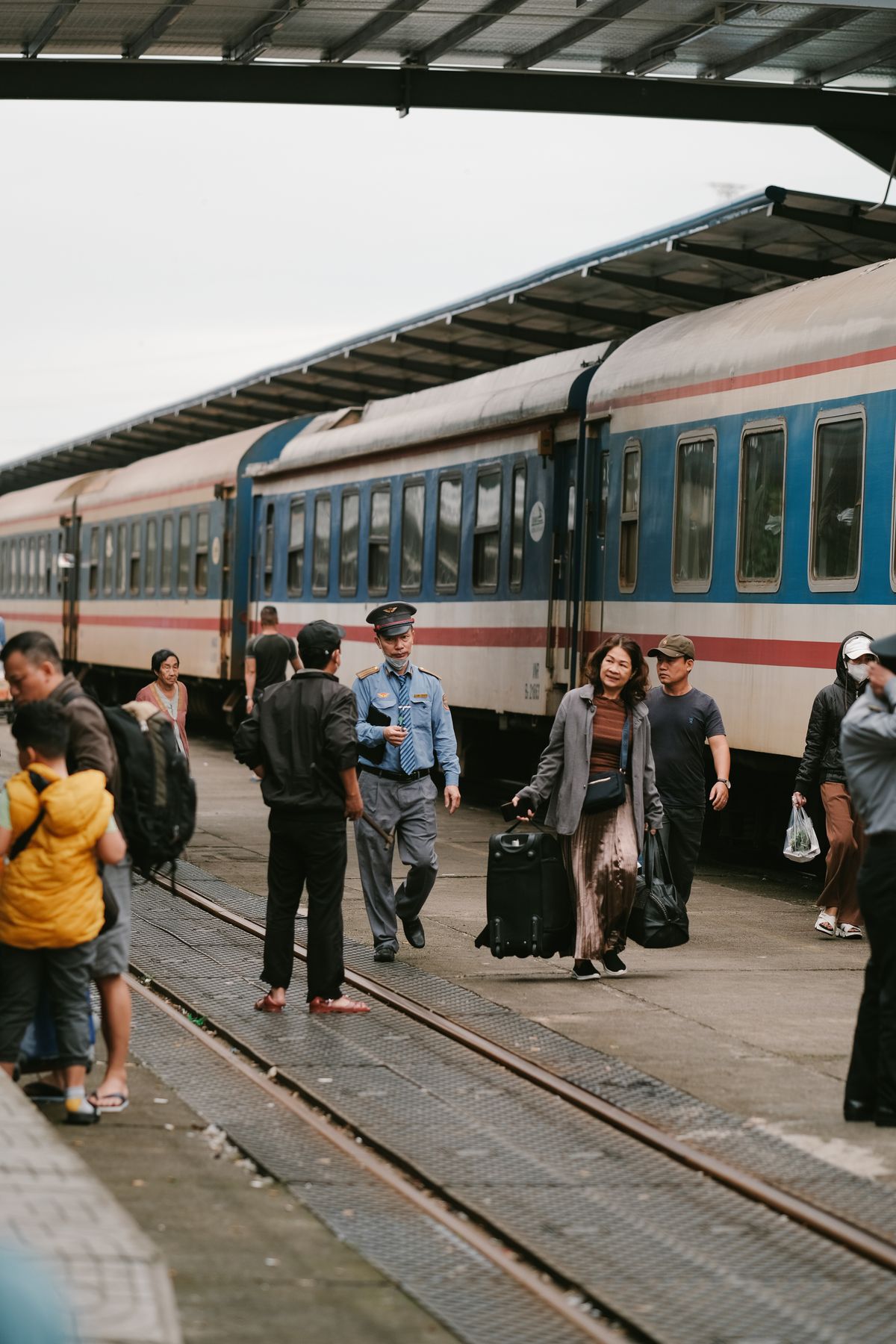
Passengers walking on a busy railway platform with a train ready for departure

Photo: Pew Nguyen / Pexels

At the Counter

Staffed ticket counters (매표소) are common at major stations and are the easiest option if you’re not confident navigating a booking app or machine. Staff generally understand simple destination and time requests even without much Korean.

부산까지 표 한 장 주세요
busankkaji pyo han jang juseyo
One ticket to Busan, please
다음 출발 기차 언제예요?
daeum chulbal gicha eonjeyeyo?
When is the next departing train?
창가 자리로 부탁드려요
changga jarillo butakdeuryeoyo
Window seat, please

Using a Ticket Machine

Self-service ticket machines (무인발권기) at KTX and subway stations usually offer an English-language option, but knowing a few Korean terms helps when the machine is Korean-only or when a menu doesn’t translate cleanly.

목적지 선택
mokjeokji seontaek
Select destination
인원수
inwonsu
Number of passengers
결제하기
gyeoljehagi
Pay / complete payment

Booking Online: KTX vs SRT

KTX is operated by Korail and mainly departs from Seoul Station, Yongsan, and other Korail hubs, while SRT is a separate operator running mainly from Suseo Station in southeastern Seoul. Both have their own apps, and fares/schedules aren’t always identical for the same route, so it’s worth checking both if you have flexibility.

예약 확인서
yeyak hwaginseo
Booking confirmation
옆자리
yeopjari
Aisle seat
환불 가능해요?
hwanbul ganeunghaeyo?
Is a refund possible?
💡 Practical note: KTX and SRT tickets are not interchangeable — double check which station and operator your booking is for, especially in Seoul where they depart from different terminals.

Frequently Asked Questions

How do you buy a KTX ticket in Korean?

A simple phrase like [목적지]까지 표 한 장 주세요 (“one ticket to [destination], please”) works at any staffed counter.

What’s the difference between KTX and SRT?

Both are high-speed rail operators in Korea. KTX is run by Korail and mainly serves Seoul Station and Yongsan; SRT is a separate operator mainly departing from Suseo Station in southeastern Seoul.

Can I buy train tickets in English in Korea?

Yes — most ticket machines and the Korail/SRT apps offer an English option, though counters and machine-only stations may be Korean-first.

What does 무인발권기 mean?

무인발권기 (muin balgwongi) means self-service ticket machine, commonly found at KTX and subway stations.

Every journey starts with the right words

Booking a ticket is just the first step — build the vocabulary that carries you through the whole trip.

START LEARNING KOREAN →

© 2026 Learn Korean Online

Disclosure: This page may contain affiliate links. If you purchase through a link on this page, we may receive a commission at no additional cost to you.

Texting for Logistics in Korean

Texting for Logistics in Korean: Plans, Appointments & Cancellations (Tap to Hear It Spoken)

Living in Korea · Dating & Relationships · Updated 2026

Texting for Logistics in Korean: Plans, Appointments & Cancellations

A close-up of a woman planning on a calendar using a smartphone and pen

Photo: Peter Olexa / Pexels

Quick answer: To confirm a plan by text in Korean, a simple 네, 괜찮아요 (ne, gwaenchanayo, “yes, that works”) is enough, while rescheduling calls for 다른 날로 변경해도 될까요? (“could we change it to a different day?”). These logistics-focused texts — confirming, rescheduling, or canceling — come up constantly with landlords, clinics, delivery drivers, and everyday appointments in Korea.
A person holding a pen and checking a calendar on a tablet while planning

Photo: cottonbro studio / Pexels

Confirming Plans

Simple, short confirmations are the backbone of logistics texting — there’s rarely a need for a long message when a plan is already understood. A quick 네 (“yes”) or a short confirming sentence is standard and expected.

네, 괜찮아요
ne, gwaenchanayo
Yes, that works
그 시간 좋아요
geu sigan joayo
That time works for me
도착하면 연락드릴게요
dochakhamyeon yeollakdeurilgeyo
I’ll message you when I arrive (polite)

Rescheduling and Canceling

When plans change, being clear and polite matters more than being brief. A short apology plus a reason (even a general one) is the expected format for rescheduling or canceling by text in Korean.

다른 날로 변경해도 될까요?
dareun nallo byeongyeonghaedo doelkkayo?
Could we change it to a different day?
죄송하지만 취소해야 할 것 같아요
joesonghajiman chwisohaeya hal geot gatayo
I’m sorry, but I think I need to cancel
갑자기 일이 생겨서요
gapjagi iri saenggyeoseoyo
Something suddenly came up

Landlords, Deliveries, and Appointments

Long-term residents in Korea will regularly text landlords about repairs, coordinate with delivery drivers about drop-off details, or confirm clinic/salon appointments. Being polite but efficient in these texts is the norm — short, clear, and formal enough to be respectful.

문 앞에 놓아주세요
mun ape noajuseyo
Please leave it in front of the door
수리 기사님 언제 오실 수 있으세요?
suri gisanim eonje osil su isseuseyo?
When can the repair technician come? (polite)
예약 확인차 연락드려요
yeyak hwagincha yeollakdeuryeoyo
Contacting you to confirm the appointment
💡 Cultural note: Even quick logistics texts to landlords or service providers generally use polite 존대말, since these are more formal relationships than friendships.

Frequently Asked Questions

How do you confirm plans by text in Korean?

A short, polite confirmation like 네, 괜찮아요 (ne, gwaenchanayo, “yes, that works”) is standard and sufficient for most plans.

How do you politely cancel plans over text in Korean?

A short apology plus a brief reason works well, e.g. 죄송하지만 취소해야 할 것 같아요 (“I’m sorry, but I think I need to cancel”).

What’s a polite way to ask to reschedule?

다른 날로 변경해도 될까요? (“could we change it to a different day?”) is a natural, polite way to ask for a new time.

Should you text landlords formally in Korea?

Yes, landlord and service-provider texts should generally stay in polite 존대말, since these are formal, not personal, relationships.

Everyday logistics deserve fluent Korean too

Confirming plans, rescheduling, coordinating deliveries — this is where real, daily Korean fluency shows up. Keep building it.

START LEARNING KOREAN →

© 2026 Learn Korean Online

Disclosure: This page may contain affiliate links. If you purchase through a link on this page, we may receive a commission at no additional cost to you.

Emojis, Stickers & Reactions in Korean Texting

Emojis, Stickers & Reactions in Korean Texting: What They Really Mean (Tap to Hear It Spoken)

Living in Korea · Dating & Relationships · Updated 2026

Emojis, Stickers & Reactions in Korean Texting: What They Really Mean

A cheerful yellow ball emoji with its tongue out against a vivid blue background

Photo: Ann H / Pexels

Quick answer: 이모티콘 (imotikon, from “emoticon”) is the general Korean word for both emojis and the animated character stickers used constantly on KakaoTalk. Unlike a plain emoji, a KakaoTalk sticker can carry its own personality and running joke, and sending the right character sticker at the right moment is a real part of everyday Korean texting fluency, not just decoration.
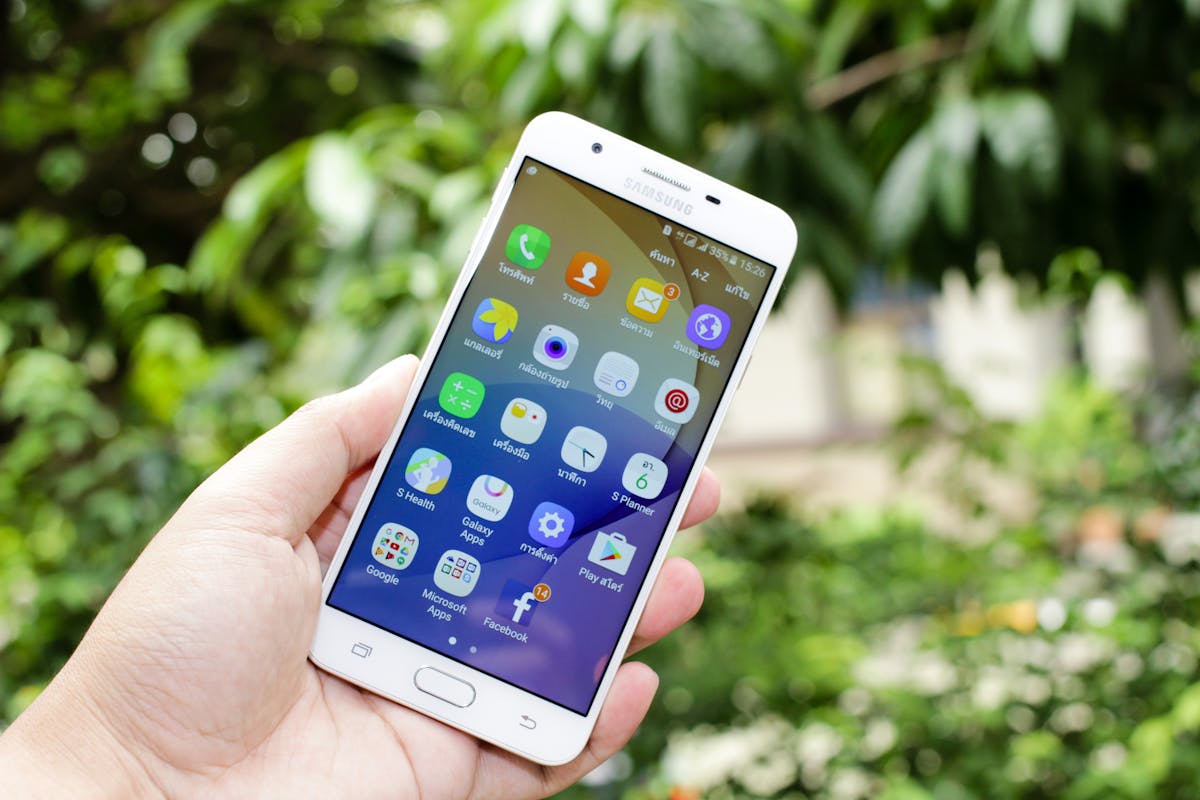
A hand holding a smartphone displaying a home screen full of colorful app icons

Photo: Pixabay / Pexels

Emoticons vs Stickers

이모티콘 covers standard Unicode emojis, but Koreans also heavily use purchased or free animated character sticker packs (카카오톡 이모티콘, KakaoTalk emoticons) — popular characters like Ryan and Apeach are hugely recognizable and often used as a personality shorthand in a chat.

이모티콘 보낼게
imotikon bonaelge
I’ll send you a sticker/emoticon
귀여워
gwiyeowo
Cute! (often said about a sticker sent)
그 캐릭터 좋아해
geu kaeriktu joahae
I like that character

Common Reactions and What They Signal

Certain stock reactions carry pretty consistent meaning in Korean chat culture — a thumbs up often just confirms receipt rather than enthusiasm, while a laughing or crying-laughing sticker usually signals genuine amusement.

옵
ok
Okay (often sent with a thumbs-up sticker, low-effort confirmation)
대박
daebak
Amazing / wow (often paired with a shocked-face sticker)
넘무 웃겨
neomu utgyeo
That’s so funny (used with laughing stickers)

When Not to Rely on Stickers

While stickers are everywhere in casual chats, they’re generally avoided in formal or work-related conversations unless the workplace culture is unusually relaxed. A safe rule: match the sticker’s formality to the conversation’s register, the same way you would with word choice.

이모티콘은 생략할게요
imotikoneun saengnyakhalgeyo
I’ll skip the stickers (formal, e.g. in a work chat)
직장에서는 자제해요
jikjangeseoneun jajehaeyo
I hold back on that at work (context-appropriate restraint)
💡 Cultural note: A thumbs-up or simple 옵 sticker to a boss’s message is generally fine, but flashy or joke stickers are best reserved for friends and casual chats.

Frequently Asked Questions

What does imotikon mean in Korean?

이모티콘 (imotikon) is the general term for both standard emojis and the animated character sticker packs widely used on KakaoTalk.

Are KakaoTalk stickers different from regular emojis?

Yes — KakaoTalk stickers are often larger, animated character images (like Ryan or Apeach) with a lot of personality, distinct from small standard Unicode emojis.

Is it okay to send stickers in a work chat in Korea?

Simple, neutral reactions like a thumbs-up are usually fine, but playful or joke stickers are generally best kept for casual chats with friends.

What does daebak mean when used as a reaction?

대박 (daebak) means something like “amazing” or “wow,” often used as a reaction to surprising or impressive news.

Stickers are the easy part — the words are what stick

Recognizing an emoticon is easy; understanding the Korean underneath it is what actually builds fluency. Keep building the vocabulary that backs it up.

START LEARNING KOREAN →

© 2026 Learn Korean Online

Disclosure: This page may contain affiliate links. If you purchase through a link on this page, we may receive a commission at no additional cost to you.

Family Group Chats in Korean

Family Group Chats in Korean: Texting Parents and In-Laws (Tap to Hear It Spoken)

Living in Korea · Dating & Relationships · Updated 2026

Family Group Chats in Korean: Texting Parents and In-Laws

A happy senior woman smiling while texting on her phone outdoors

Photo: RDNE Stock project / Pexels

Quick answer: Texting parents or in-laws in Korean always uses formal, polite language — typically 존대말 with honorific verb endings like -요 or -습니다 — regardless of how casually you’d speak to them in person within the family. Family group chats often also include specific honorific vocabulary for parents and in-laws that doesn’t get used elsewhere.
A young woman smiling while looking at her smartphone

Photo: Jhosua Rodríguez / Pexels

Texting Your Own Parents

Many Korean adults still use polite endings when texting their own parents, even though the relationship is warm and close — formality here is a sign of respect (존경), not distance. Some younger family members mix in occasional casual phrases, but the overall tone usually stays respectful.

식사하셔요?
siksa hasyeosseoyo?
Have you eaten? (a common, caring check-in)
잘 도착했어요
jal dochakhaesseoyo
I arrived safely
건강 조심하세요
geongang josimhaseyo
Please take care of your health

Texting In-Laws

In-law group chats generally require even more careful, formal language than chats with your own parents, since the relationship carries more social distance. Special honorific vocabulary is often used for terms that would be plain in other contexts.

어머님, 안녕하세요
eomeonim, annyeonghaseyo
Hello, mother (in-law, formal/honorific title)
식사는 맛있게 드셨어요?
siksaneun masikke deusyeosseoyo?
Did you enjoy your meal? (highly honorific)
종당 파이팅 감사합니다
jongdang paiting gamsahamnida
Thank you, sending my best/support (used broadly in family chats)

Family Group Chat Etiquette

It’s common for Korean family group chats to include photo-sharing, holiday greetings, and health check-ins, especially around major holidays like Chuseok and Seollal. Being responsive in these chats, even with a short reply, is generally appreciated more than staying silent.

명절 잘 보내세요
myeongjeol jal bonaeseyo
Have a good holiday
사진 잘 받았어요
sajin jal badasseoyo
I received the photos, thank you
모두 건강하세요
modu geonganghaseyo
Stay healthy, everyone
💡 Cultural note: Even a brief 감사합니다 (“thank you”) or emoji reaction in a family chat is generally seen as better than not responding at all.

Frequently Asked Questions

Should you use formal language when texting your own parents in Korean?

Most Korean adults still use polite endings with their parents by text, even in a close relationship — it’s a sign of respect rather than distance.

Is texting in-laws different from texting your own parents?

Yes, in-law communication typically calls for even more formal and honorific language, reflecting the greater social distance in that relationship.

What does 식사하셨어요 (have you eaten) mean in a family chat?

It’s a common, caring check-in phrase Korean parents and relatives use often — a culturally warm way of asking how someone is doing.

Is it rude to stay silent in a Korean family group chat?

It’s not exactly rude, but a short reply or reaction is generally appreciated and seen as more considerate than not responding at all.

Family Korean has its own rhythm

Honorific vocabulary for parents and in-laws is a distinct skill worth building on its own — it shows up constantly in real family life.

START LEARNING KOREAN →

© 2026 Learn Korean Online

Disclosure: This page may contain affiliate links. If you purchase through a link on this page, we may receive a commission at no additional cost to you.