Tourist Korean · Part 6
Emergency & Help Phrases in Korean
You’ll hopefully never need most of these — but having them ready means one less thing to panic about if something does go wrong. Tap any phrase below to hear it spoken.
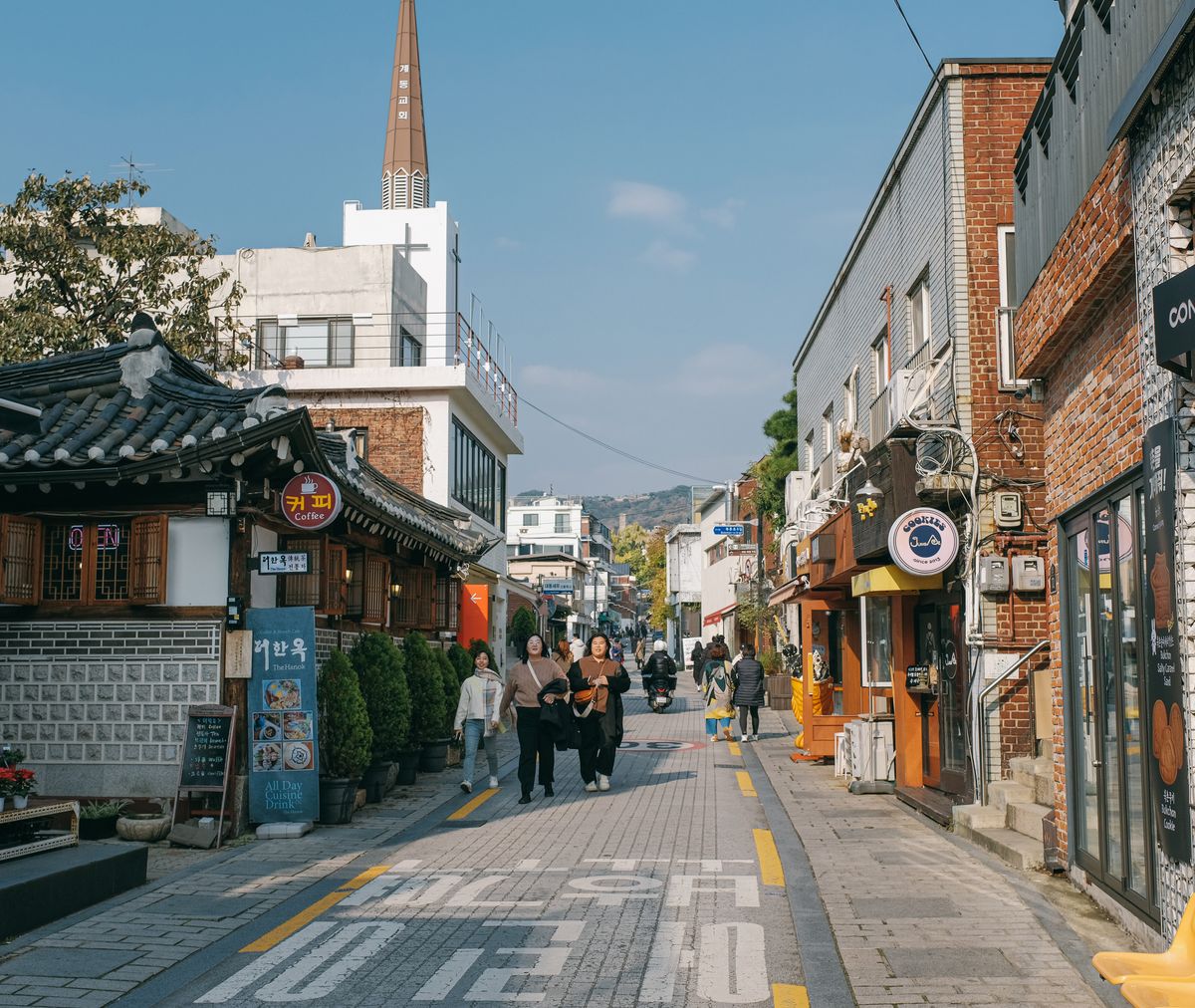
Korea is one of the safest countries for tourists — but it’s still worth knowing what to say if you need help.
South Korea has excellent emergency services, and English support is more available than many visitors expect — especially in Seoul and other major cities. Still, the first few seconds of any stressful situation go a lot more smoothly if you can say what you need in Korean rather than fumbling for a translation app.
Asking for Help
Urgent
dowajuseyo!
Help me!
Not Feeling Well
jeoneun apayo
I’m sick / I’m in pain
Calling the Authorities
gyeongchareul bulleojuseyo
Please call the police
Health and Pharmacy
Finding a Pharmacy
yakgugi eodiyeyo?
Where is the pharmacy?
Getting to a Hospital
byeongwone gaya haeyo
I need to go to the hospital
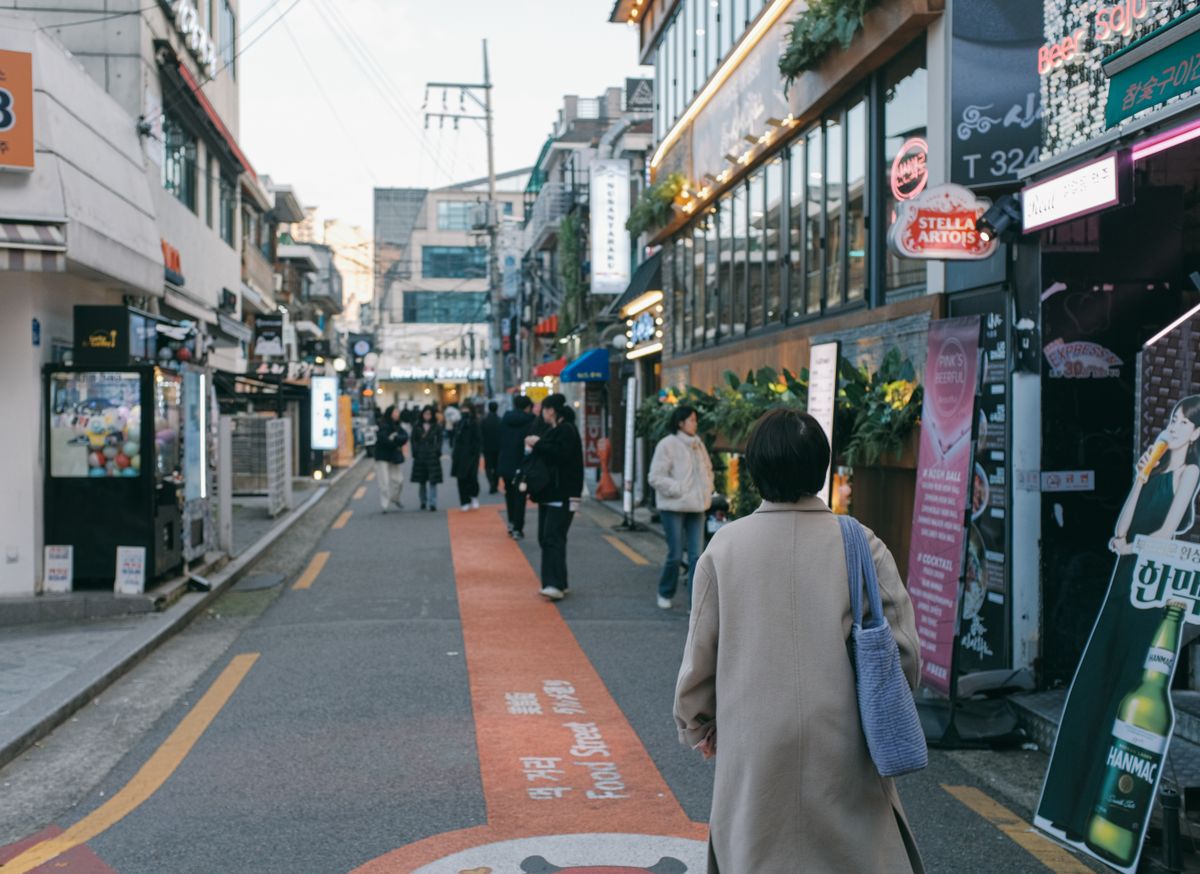
Pharmacies (약국) are easy to spot on almost any main street and staff often speak at least some English.
Lost Items and Documents
Lost Passport
je yeogwoneul ireobeoryeosseoyo
I lost my passport
Not Understanding
yeongeo hal su isseoyo?
Can you speak English?
If you lose your passport, your embassy is the first call to make — but being able to explain the basics to a Korean police officer or hotel staff member in the meantime will make the whole process faster and less stressful.
The Best Emergency Plan Is Understanding More Korean
Phrasebook Korean gets you through a crisis — real Korean means you understand what’s happening around you in the first place. Here’s the step-by-step system we recommend for building that foundation.
START LEARNING KOREAN →