Korean Honorifics & Speech Levels · Part 3
How Age Changes the Way Koreans Speak to Each Other
Why does everyone ask your age so quickly in Korea? It’s not idle curiosity — it’s the single piece of information that determines how the entire conversation will unfold. Tap any phrase below to hear it spoken.
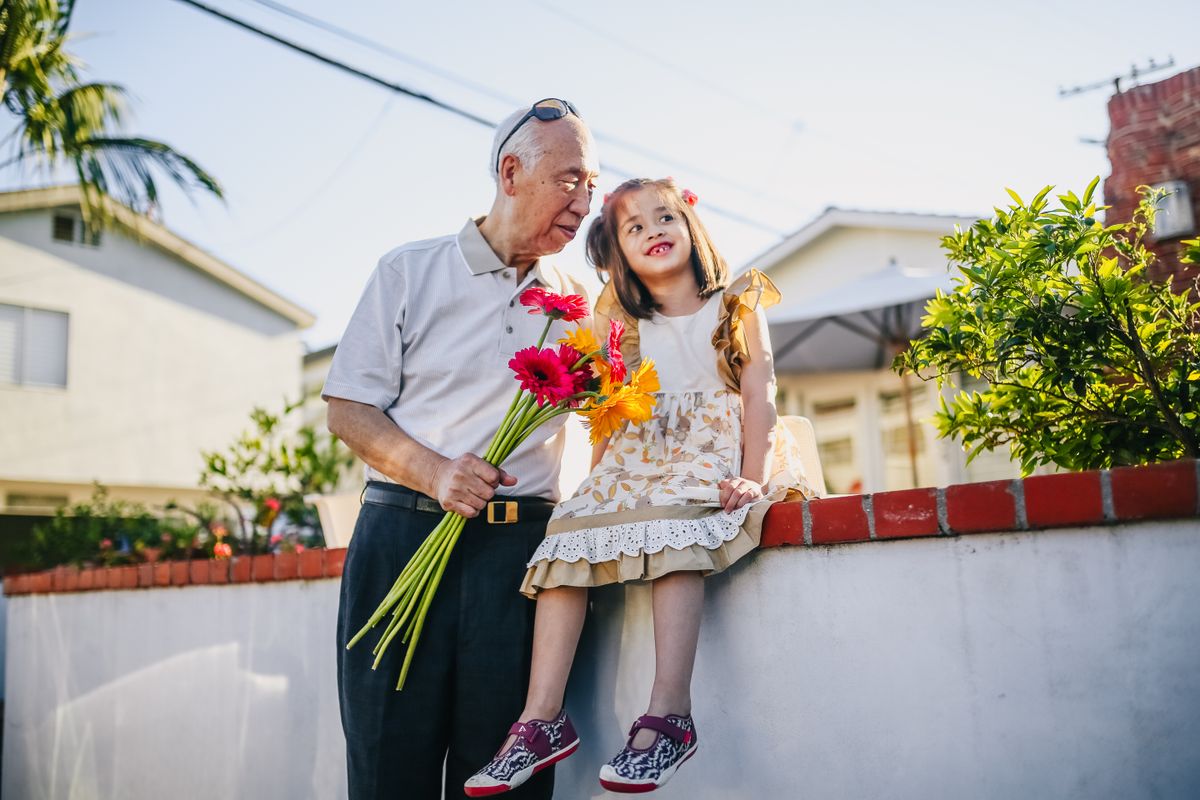
How Age Changes the Way Koreans Speak to Each Other Age hierarchy runs through Korean social life at every level — from family to friend groups to the workplace.
In many Western cultures, asking someone’s age soon after meeting them can feel rude or intrusive. In Korea, it’s practical — Korean speech requires you to know roughly where someone sits relative to you in age before you can speak to them naturally, because the verb endings and vocabulary you use depend on it. It’s less about hierarchy for its own sake and more about knowing which “setting” to speak in.
How Koreans Ask (and Answer) the Age Question
Casual, Between Peers
myeot sarieyo?
How old are you?
More Formal / Respectful
naiga eotteoke doeseyo?
May I ask your age? (softer, more polite phrasing)
Once Age Is Established
If the other person turns out to be older, you’ll typically continue speaking to them politely and may use a relationship term like 형/오빠 (older brother, depending on your gender) or 언니/누나 (older sister) instead of their name. If they’re younger, they’ll usually speak to you politely while you have the option to speak more casually once a friendship is established — but that shift is always negotiated, never assumed.
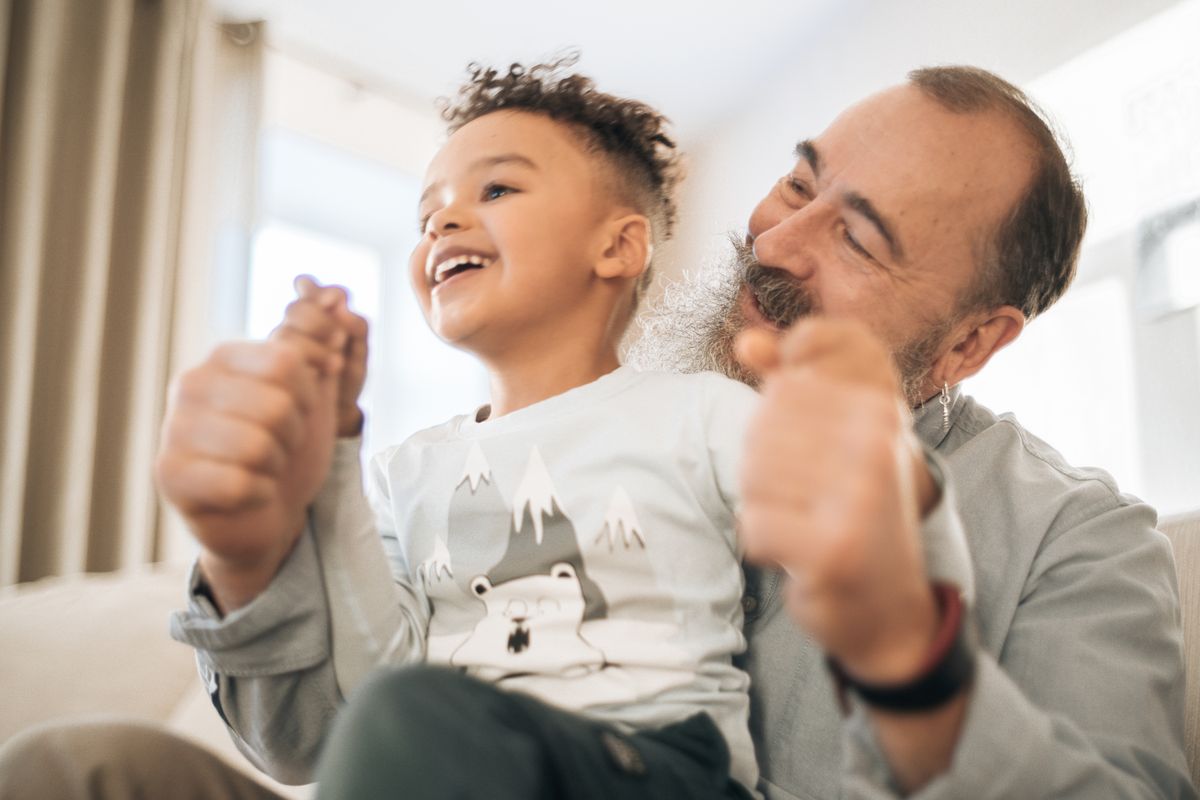
This system extends the family model of respect — for elders, siblings, and even close friends — into everyday social interaction.
A Note on Korean Age
One more wrinkle worth knowing: Korea traditionally used “Korean age,” where everyone turns a year older on New Year’s Day rather than their birthday, meaning a newborn is considered one year old at birth. As of 2023, Korea officially adopted international age counting for legal purposes, but you may still hear people casually mention their “Korean age” in conversation, especially with older generations — so don’t be surprised if the numbers don’t quite match what you expect.
Age Is Just One Piece of the Bigger Picture
Once you understand how age shapes speech, the logic behind Korean honorifics and titles clicks into place much faster. Here’s the step-by-step system we recommend for learning it properly.
START LEARNING KOREAN →