Korean Dating Culture

Korean Dating Culture: The Unwritten Rules (Tap to Hear It Spoken)
연애
Dating & Relationships

Korean Dating Culture: The Unwritten Rules Nobody Explains

Every phrase below is tappable — press it and your browser speaks it aloud, so the customs make sense in context, not just as trivia.
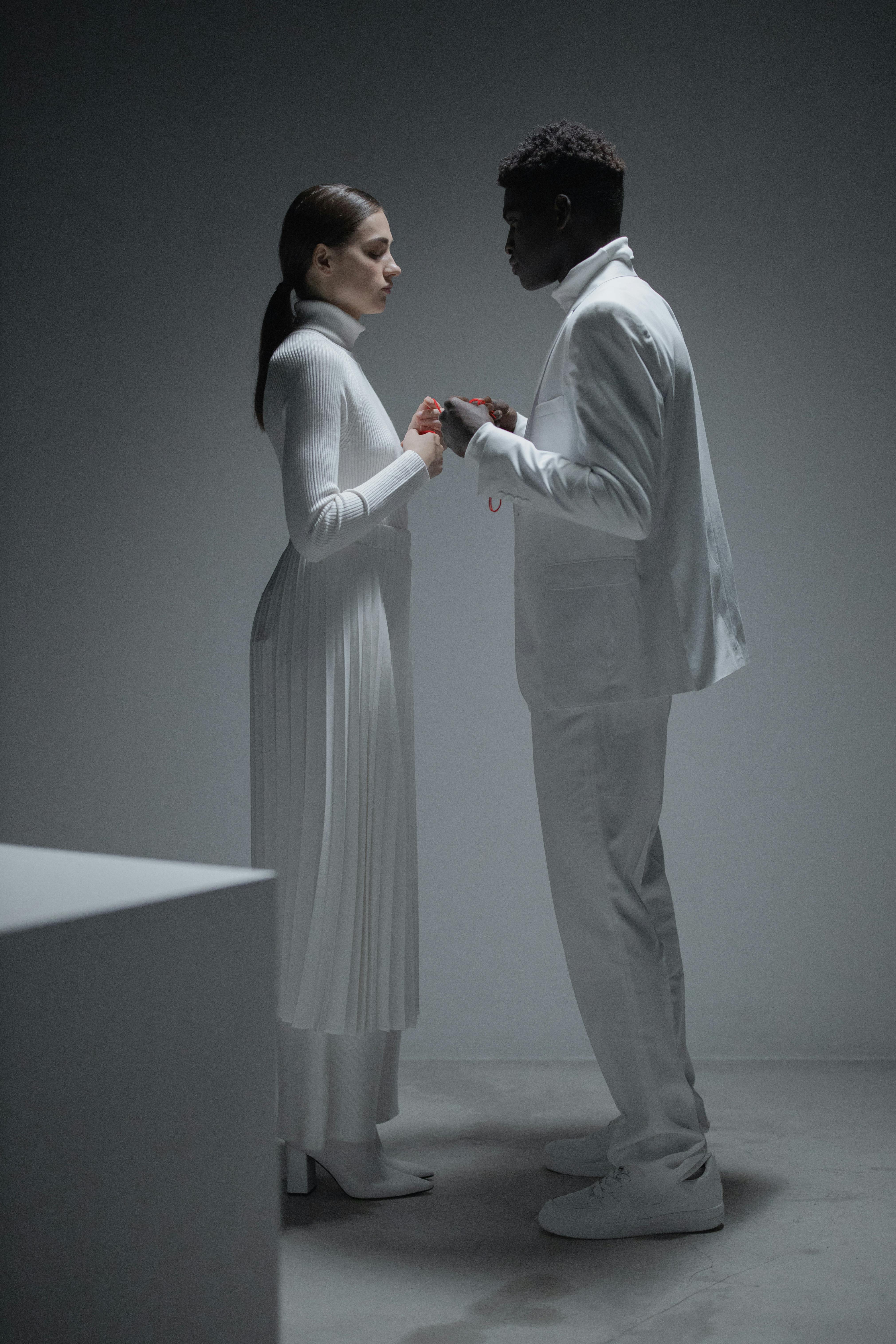
Couple holding hands, symbolizing a committed relationship

Korean couples mark their relationship with a set of customs that catch a lot of newcomers off guard.

Anniversaries Are Counted in Days

Korean couples track relationship milestones by day-count, not month or year, at least early on.

백일
baegil
100 days — the first major couple milestone, often celebrated properly
사귄 지 얼마나 됐어요?
sagwin ji eolmana dwaesseoyo?
How long have you been dating?
천일
cheonil
1,000 days — another commonly celebrated milestone
Worth knowing: apps that count the exact number of days a couple has been together are genuinely popular in Korea — hitting 백일 (day 100) is treated as a real occasion, often with a gift or small celebration.

Couple Items

Wearing or carrying matching things is a visible, common way Korean couples signal their relationship.

커플룩
keopeullook
Couple look — matching outfits worn together
커플링
keopeulling
Couple ring — a shared style of ring, not necessarily an engagement ring
우리 커플템 살까요?
uri keopeultem salkkayo?
Should we buy a couple item?
Worth knowing: couple rings are worn casually and don’t signal engagement the way they might elsewhere — they’re a normal, early-relationship gesture rather than a major commitment.

Titles and Status

The words that mark where a relationship officially stands.

우리 사귀자
uri sagwija
Let’s officially date (a real, defining phrase — this moment matters in Korean dating)
남자친구
namjachingu
Boyfriend
여자친구
yeojachingu
Girlfriend
썸타는 중이에요
sseomtaneun jungieyo
We’re in the “something” stage (interested in each other, not officially together yet)
Worth knowing: unlike in many Western dating cultures, “우리 사귀자” is often an explicit, spoken moment — Korean couples generally don’t drift into an official relationship without a clear verbal “yes.”

These phrases are just the start

Knowing the customs is one thing — following the actual conversation your partner and their friends have around you needs a real foundation in Korean.

START LEARNING KOREAN →

© 2026 Learn Korean Online

Disclosure: This page may contain affiliate links. If you purchase through a link on this page, we may receive a commission at no additional cost to you.

Korean Dating Culture

Korean Dating Culture: What K-Dramas Get Right (and Wrong)

Korean Dating Culture. If your sense of Korean dating comes from K-dramas, you’ve absorbed a mix of real cultural norms and heavily dramatized tropes. Here’s a practical breakdown of what actually holds up in real life versus what’s exaggerated for TV.

What K-Dramas Get Right

  • The formal confession (고백) is real. Directly asking “나랑 사귈래?” (will you go out with me?) as a distinct moment, rather than relationships just gradually forming, is a genuine cultural pattern — not just a drama trope.
  • 100-day and anniversary celebrations are real. Couples in Korea commonly celebrate 100-day anniversaries (백일) early in a relationship, along with monthly anniversaries — a level of formal tracking that’s less common in Western dating culture.
  • Couple items are genuinely common. Matching couple T-shirts, matching phone cases, and couple rings (커플링) are a real and fairly mainstream part of Korean dating culture, not just a drama exaggeration.
  • Skinship norms are more conservative in public. Public displays of affection tend to be more reserved than in many Western countries, particularly among older generations — dramas generally reflect this accurately.

What K-Dramas Exaggerate

  • Overbearing, controlling love interests played as romantic are a well-known drama trope, not an endorsed real-world dating standard — this pattern draws real criticism within Korea itself.
  • Extreme class-gap romances (chaebol heir meets ordinary person) make for compelling plots but aren’t representative of typical dating dynamics.
  • Sudden, dramatic declarations in the rain — real confessions are usually far less theatrical, though the direct, deliberate nature of the confession itself (see above) is accurate.
Practical takeaway: Use dramas for vocabulary and general cultural texture, but don’t take relationship dynamics — especially possessive or controlling behavior played as romantic — as a model for real dating norms.

Real Dating Etiquette Worth Knowing

Korean Romanization What It Means
백일 baegil 100 days — a commonly celebrated relationship milestone
커플룩 keopeulluk Couple look — matching outfits worn by couples
기념일 ginyeomil Anniversary
스킨십 seukinsip Skinship — physical affection between a couple

Meeting Friends and Family

Introducing a partner to friends is often a meaningful step, and introducing them to family typically signals a relationship is quite serious — generally further along than it might be treated as a milestone in some Western dating cultures. If a partner is invited to a family gathering, especially something like a holiday meal, it’s usually a significant signal about how the relationship is viewed.

Age and Speech Levels in Relationships

Age plays a more explicit role in Korean social dynamics than many learners expect, including in dating. Even in a romantic relationship, if there’s a meaningful age gap, the language dynamic (formal vs. casual speech, and terms of address) can reflect that difference, though close couples often move to mutual casual speech (반말) regardless of age once the relationship is established.

For vocabulary around harder relationship moments, see the Breakups and Hard Conversations post in this cluster, or return to the dating vocabulary pillar guide for the full overview.

Cultural notes reflect general, commonly observed patterns and will vary by individual, region, and generation. Pronunciation audio uses your browser’s built-in text-to-speech.