K-Drama & K-Pop Korean · Part 3
Korean Terms of Endearment: Oppa, Unnie, and More Explained
These words show up constantly in K-dramas and fandom conversation — but who calls who what depends entirely on gender and age. Tap any word below to hear it spoken.
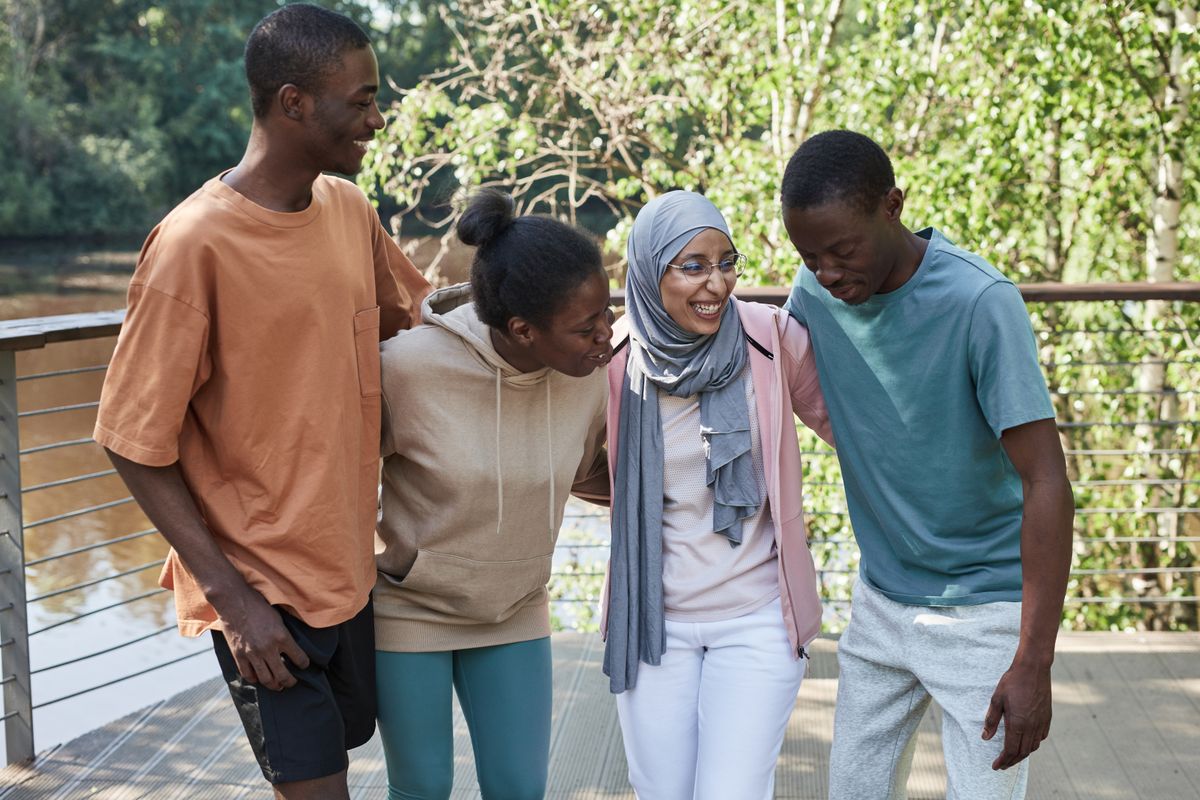
Korean has a specific word for “older sibling” depending on your own gender — these terms extend that same idea to friends too.
This is one of the most confusing parts of Korean for newcomers, because unlike English, the word changes depending on your own gender, not just the other person’s age. Once the logic clicks, it’s actually simple — it just takes seeing it laid out clearly once.
What a Woman Calls an Older Friend
Older Male Friend
oppa
Used by a woman for an older brother, boyfriend, or close male friend
Older Female Friend
unnie
Used by a woman for an older sister or close female friend
What a Man Calls an Older Friend
Older Male Friend
hyung
Used by a man for an older brother or close male friend
Older Female Friend
nuna
Used by a man for an older sister or close female friend
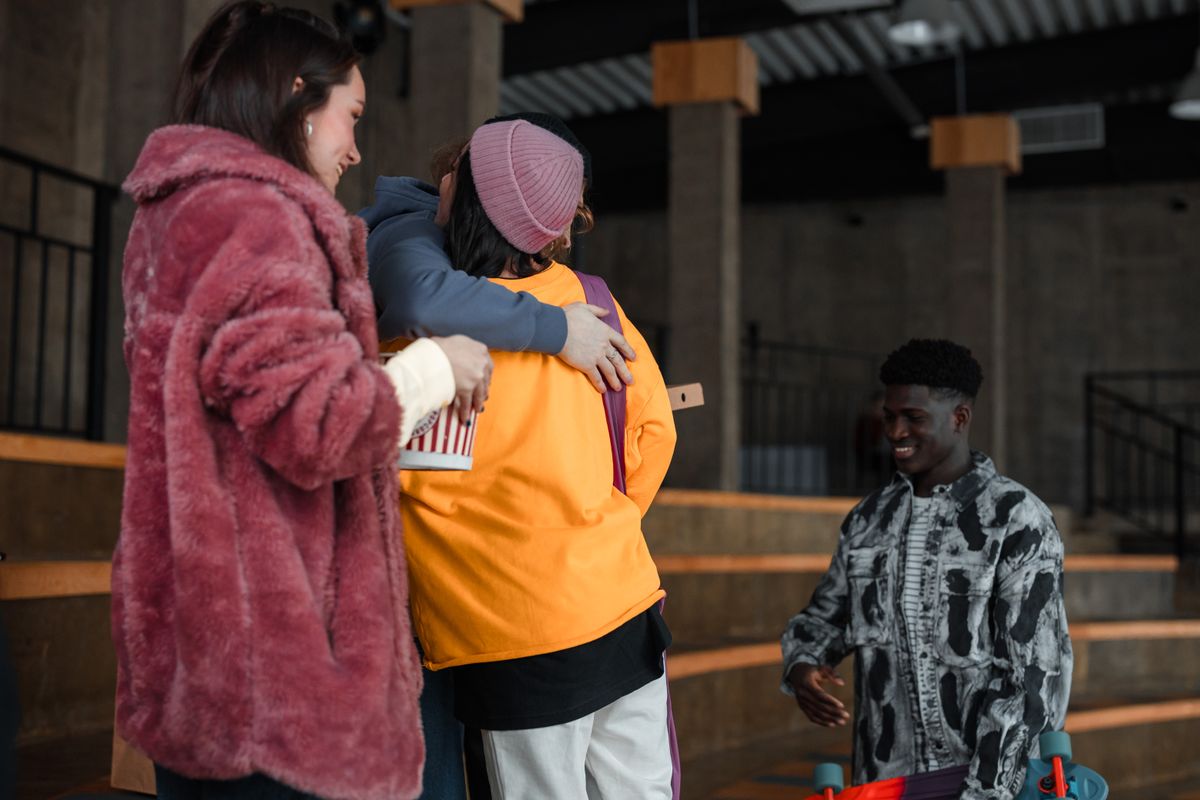
These words are used with close friends just as often as with actual siblings — that’s exactly why K-drama characters use them so freely.
Words for Couples
Romantic Partner
jagiya
Honey / babe (used between romantic partners)
Affectionate
aegiya
Baby (affectionate, romantic or with a close friend)
One important note: these are casual, close-relationship words. Using “오빠” with a stranger or someone you’ve just met would sound odd or overly familiar — save these for people you actually know, or characters clearly in that kind of relationship on screen.
These Words Are the Tip of a Bigger System
Korean has an entire structure of politeness and relationship levels built into the language itself — once you understand it, dialogue in dramas and idol interviews suddenly makes a lot more sense. Here’s the system we recommend for learning it properly.
START LEARNING KOREAN →