Korean Honorifics & Speech Levels · Part 6
When It’s Okay to Drop Formality in Korean Casual speech isn’t just about comfort — in Korean, switching to banmal is treated as a real social moment, and there’s a specific way to make that shift happen. Tap any phrase below to hear it spoken.

Getting to casual speech with someone is often a small milestone in a Korean friendship, not just a formality dropped.
Unlike English, where you might just naturally relax your tone as you get to know someone, Korean often treats the shift to casual speech as an explicit, spoken moment — especially between people close in age. It’s a small act of trust, and it’s genuinely common to ask for permission before doing it.
Asking to Switch to Casual Speech
Requesting the Switch
mal noado dwaeyo?
Is it okay if I speak casually with you?
Granting It (Said by the Senior Person)
pyeonhage malhae
Feel free to speak comfortably / casually
Suggesting It Mutually
uri mal noeulkkayo?
Should we speak casually with each other?
Situations Where Casual Speech Is Automatic
Permission isn’t always needed. A few situations where casual speech is the natural default:
Same-Age Friends
Once a friendship forms between people the same age, casual speech is usually the norm without needing to ask.
Speaking to Children
Adults generally speak casually to young children by default, regardless of the child’s relationship to them.
Close, Long-Term Friends
Even with an age gap, very close long-term friends sometimes mutually agree to drop formality entirely.
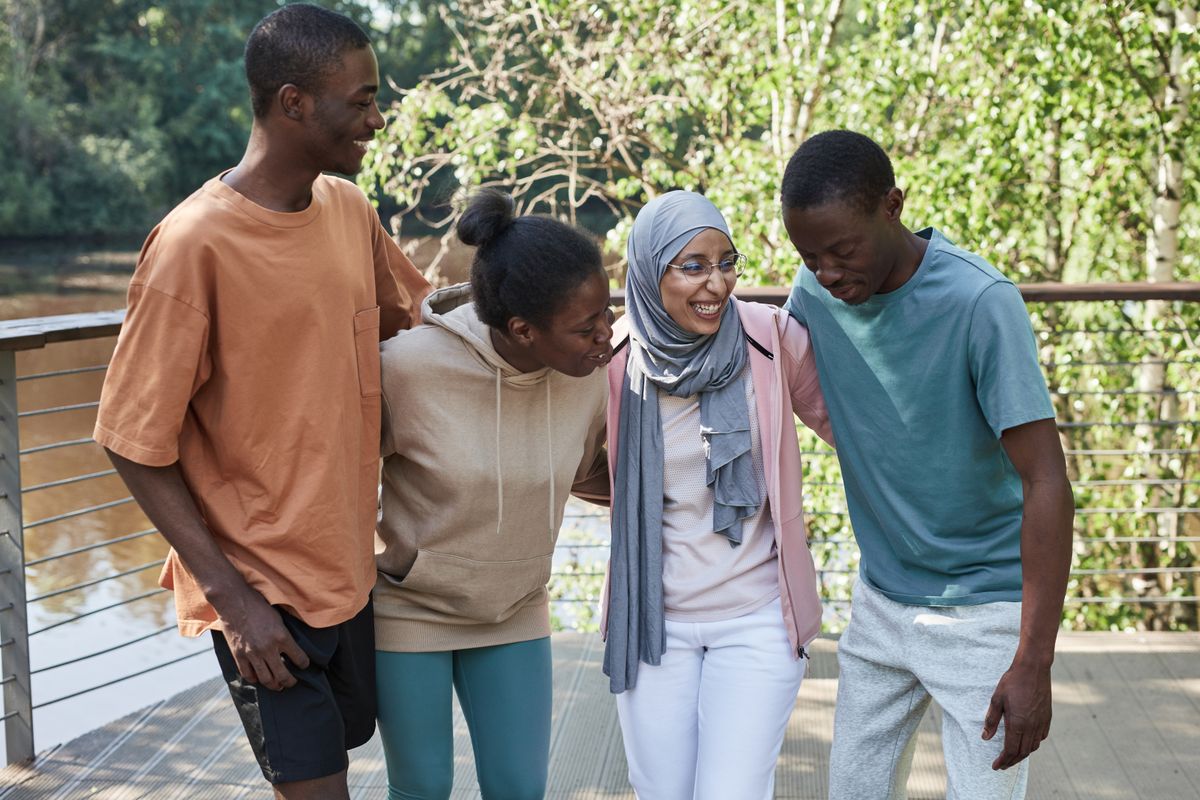
Once formality drops between friends, it rarely goes back — the shift tends to be permanent.
When to Stay Cautious
As a general rule, never initiate the switch to banmal with someone older than you unless they suggest it first — the offer should come from the senior person. And in professional contexts, even close colleagues often keep polite speech at work regardless of how casual they are outside it. When you’re unsure, staying polite costs you nothing; dropping formality too soon can genuinely land badly.
Formality Is a Skill You Build Over Time
Reading these social cues gets easier with real exposure and practice. Here’s the step-by-step system we recommend for building genuine confidence with Korean, honorifics included.
START LEARNING KOREAN →