Tourist Korean · Part 4
Getting Around Korea: Transportation Phrases for Tourists
Korea’s subway and bus system is one of the best in the world — once you know a few phrases to get in a taxi, check a bus route, or tell the driver where to stop. Tap anything below to hear it spoken.
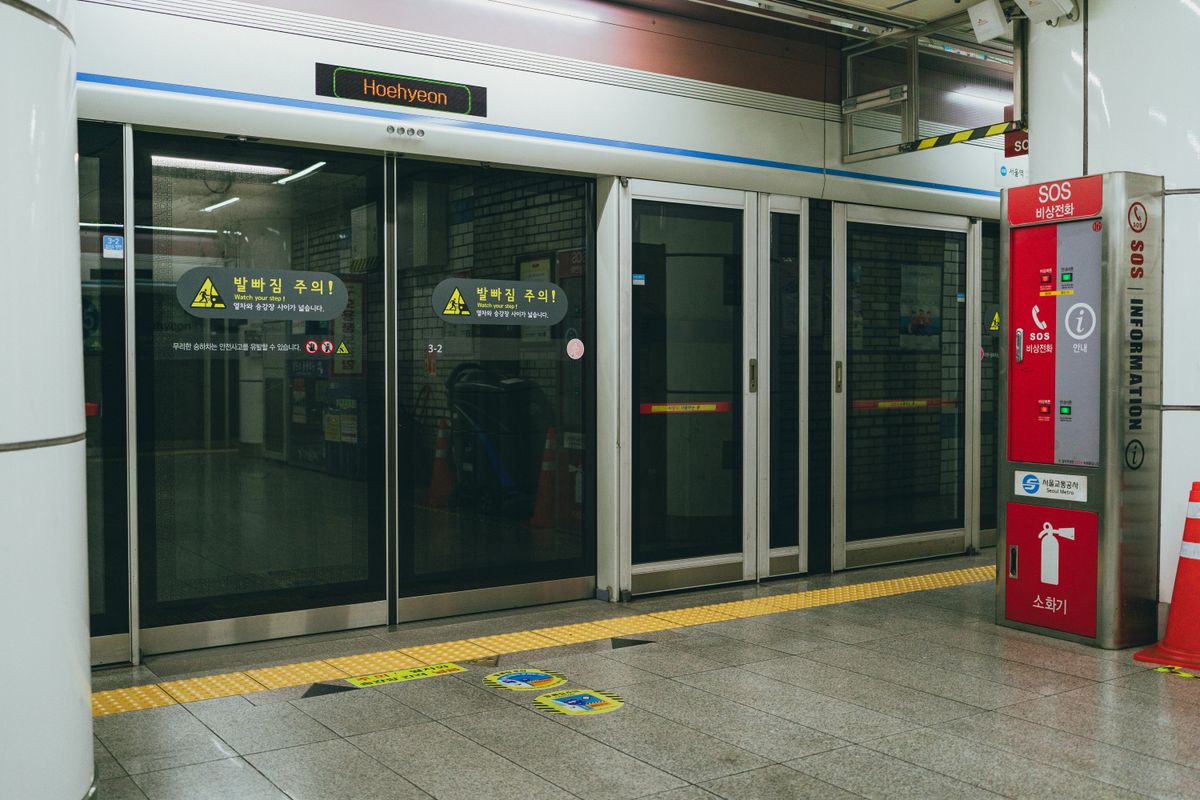
Seoul’s subway is famously easy to navigate — signs are in English too, but these phrases help with the human parts.
Most tourists rely on the subway for the bulk of their trip, since it’s signposted in English as well as Korean. Taxis and buses are where a little spoken Korean actually pays off — drivers won’t always speak English, and typing an address can be slow when you’re in a hurry.
Taking a Taxi
Getting In
yeogiro gajuseyo
Please take me here (show your phone map)
Time
eolmana geollyeoyo?
How long does it take?
Getting Out
yeogiseo naeryeojuseyo
Please let me off here
Buses and Trains
Checking a Route
i beoseuga myeongdonge gayo?
Does this bus go to Myeongdong? (swap the place name)
Buying a Ticket
pyo han jang juseyo
One ticket, please
Next Stop
daeum yeogi eodiyeyo?
What’s the next station?
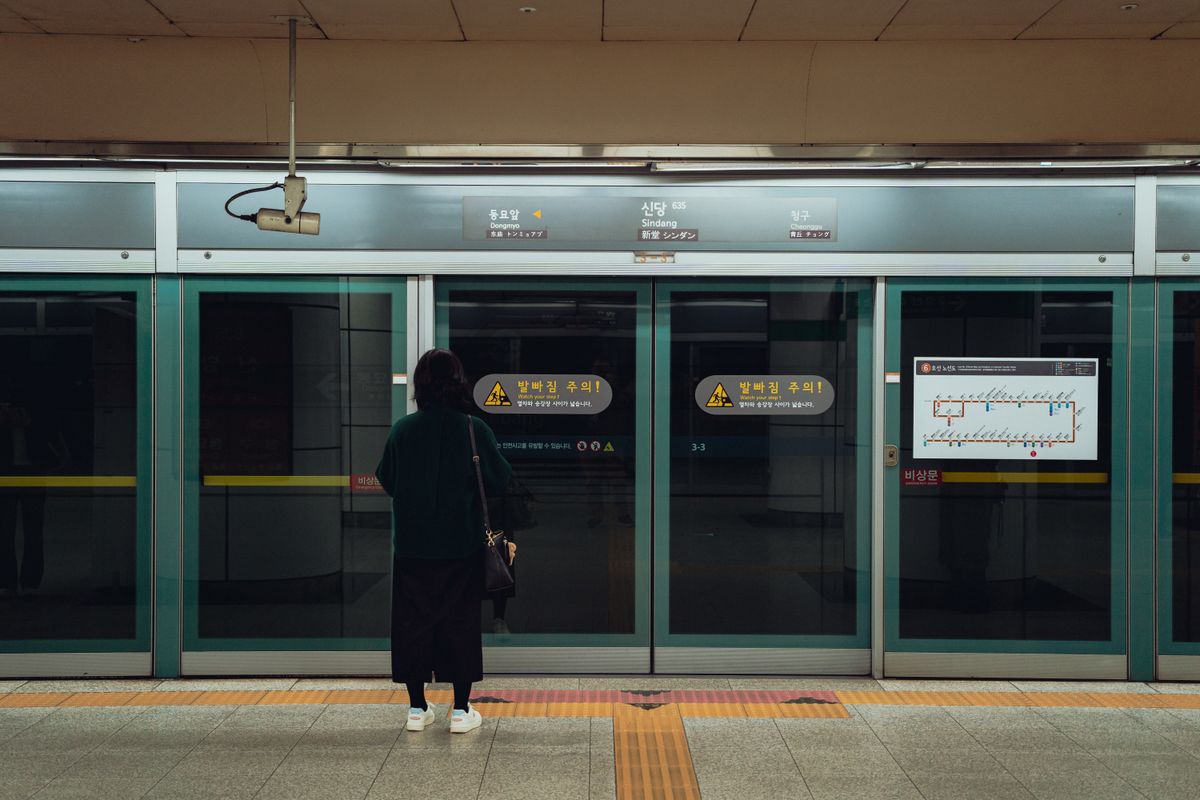
Get a T-money card as soon as you land — it works on subways, buses, and even some taxis nationwide.
One practical tip that has nothing to do with the language: download a Korean-friendly map app like Naver Map or KakaoMap before you land. Google Maps’ walking and transit directions are unreliable in South Korea, but these phrases will still get you the rest of the way when the app runs out of answers.
Understand What’s Being Announced, Not Just What You Ask
Subway announcements, platform signs, bus destination boards — they’re all in Korean first. Once you can read Hangul, travelling stops being a series of guesses. Here’s the step-by-step system we recommend.
START LEARNING KOREAN →