Korean Skincare Routine Vocabulary

Korean Skincare Routine Vocabulary: What’s Actually on the Bottle (Tap to Hear It Spoken)

K-Beauty & Skincare Korean · Part 1

Korean Skincare Routine Vocabulary: What’s Actually on the Bottle

Korean skincare packaging is often entirely in Hangul, even on products sold internationally. Here’s what every bottle in a routine actually says. Tap any word below to hear it spoken.
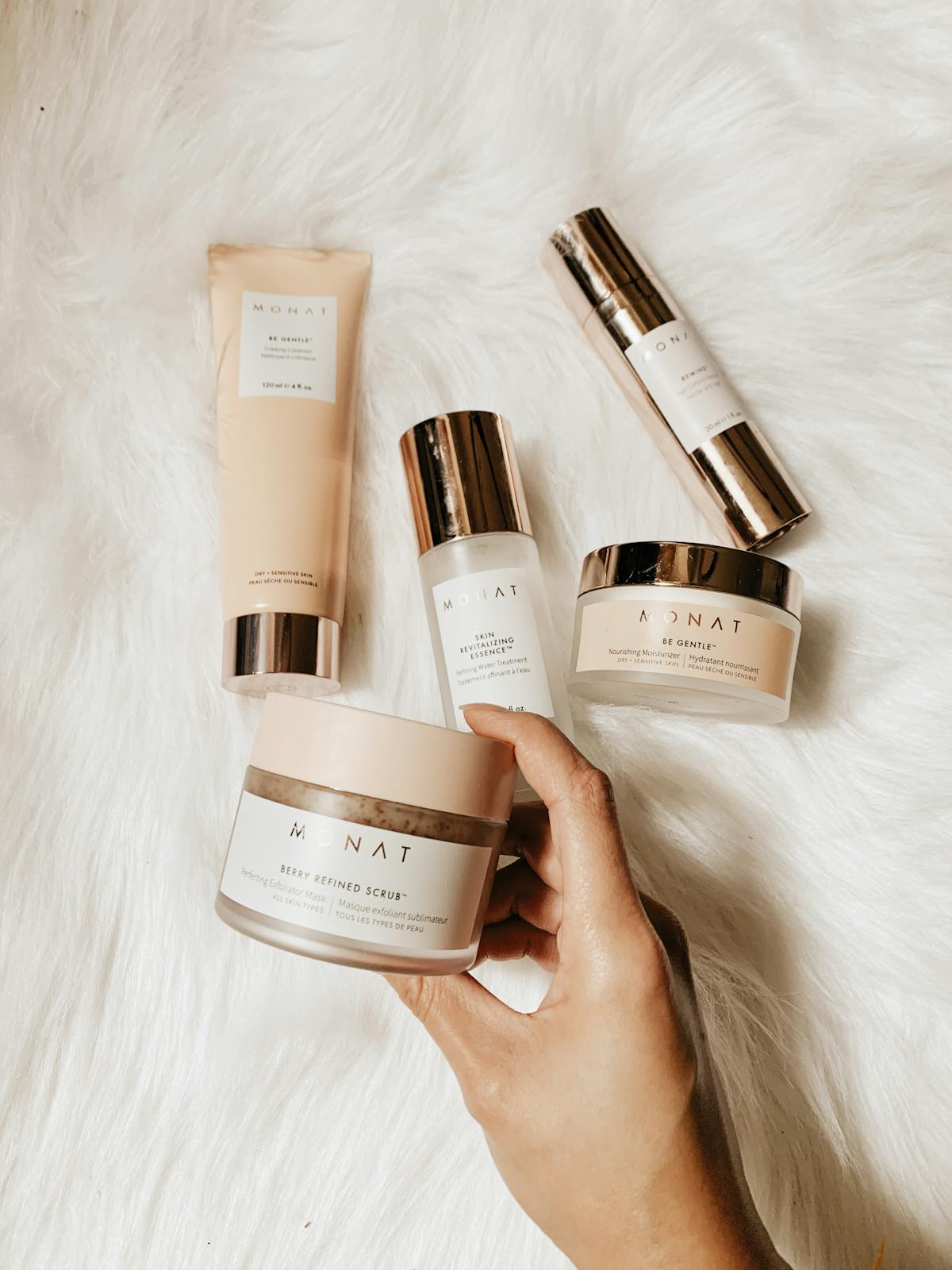
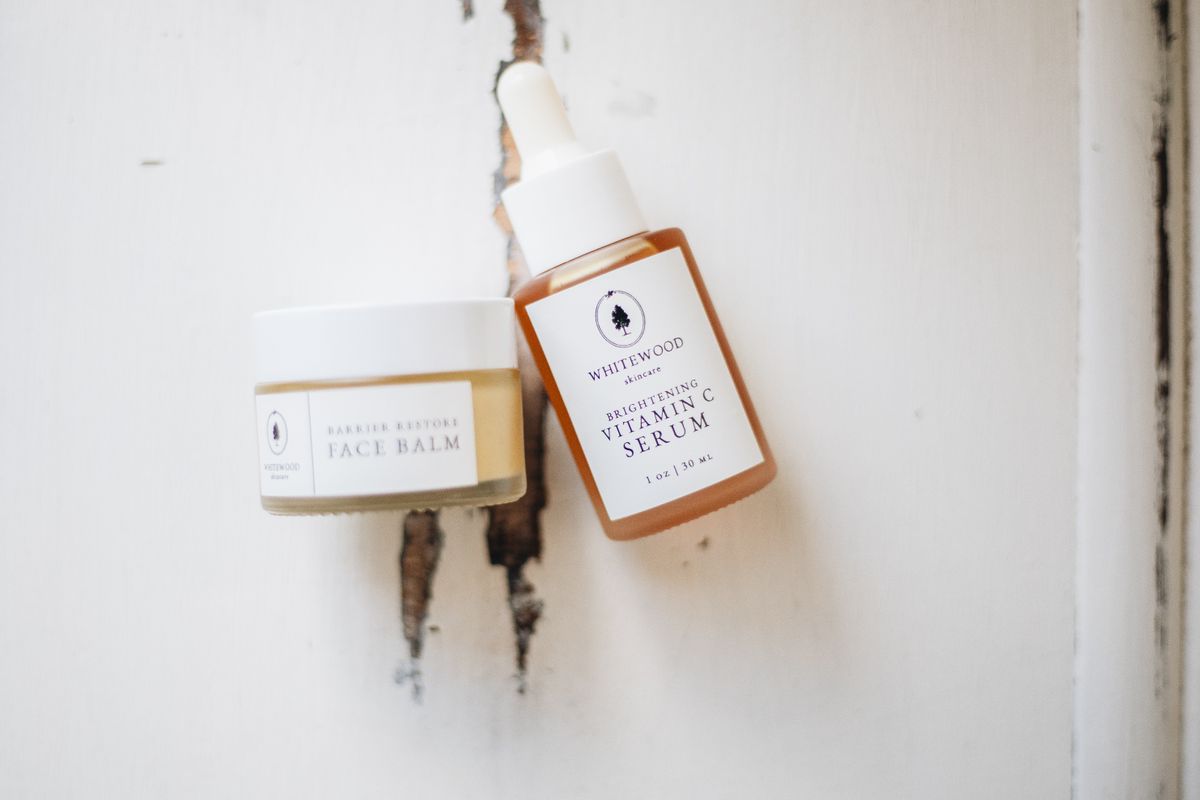
A collection of skincare products arranged on a soft surface

A full Korean skincare routine can run to 6 or more steps — each one has its own name.

The Korean multi-step skincare routine is famous for a reason — each product has a specific job, applied in a specific order. Here’s the typical sequence and the Korean word for each step, roughly from first to last.

How the audio works: tap the speaker button on any word and your device’s built-in Korean voice will say it out loud — no app or download needed.

The Routine, Step by Step

1
keullenjeo
Cleanser
2
toneo / seukin
Toner — often labeled either 토너 or 스킨 (“skin”)
3
esenseu
Essence — a lightweight, hydrating treatment layer
4
sereom
Serum — more concentrated, targets specific concerns
A minimalist flatlay of natural skincare products

Each product layer is meant to build on the one before it — lightest textures first, richest last.

5
keurim
Cream — the moisturizer that seals everything in
6
seonkeurim
Sunscreen — considered a non-negotiable final morning step

Not every step is used every day, and plenty of people skip essence or use a simplified routine — but knowing these words means you can actually read what a Korean skincare product is for, rather than guessing from the packaging alone.

Reading Labels Confidently Starts With Vocabulary

Once these core words feel familiar, understanding full ingredient lists and product descriptions is the next step. Here’s the step-by-step system we recommend for building that foundation.

START LEARNING KOREAN →
© 2026 Learn Korean Online

Disclosure: This page may contain affiliate links. If you purchase through a link on this page, we may receive a commission at no additional cost to you.

Korean Food and Drink

Korean Food and Drink Pairings Explained: 치맥, 안주, and More (Tap to Hear It Spoken)

Korean Drinking & Social Culture · Part 6

Korean Food and Drink Pairings Explained

Certain Korean foods and drinks are practically inseparable in the culture — knowing the pairings will help you order like you’ve done this before. Tap any word below to hear it spoken.

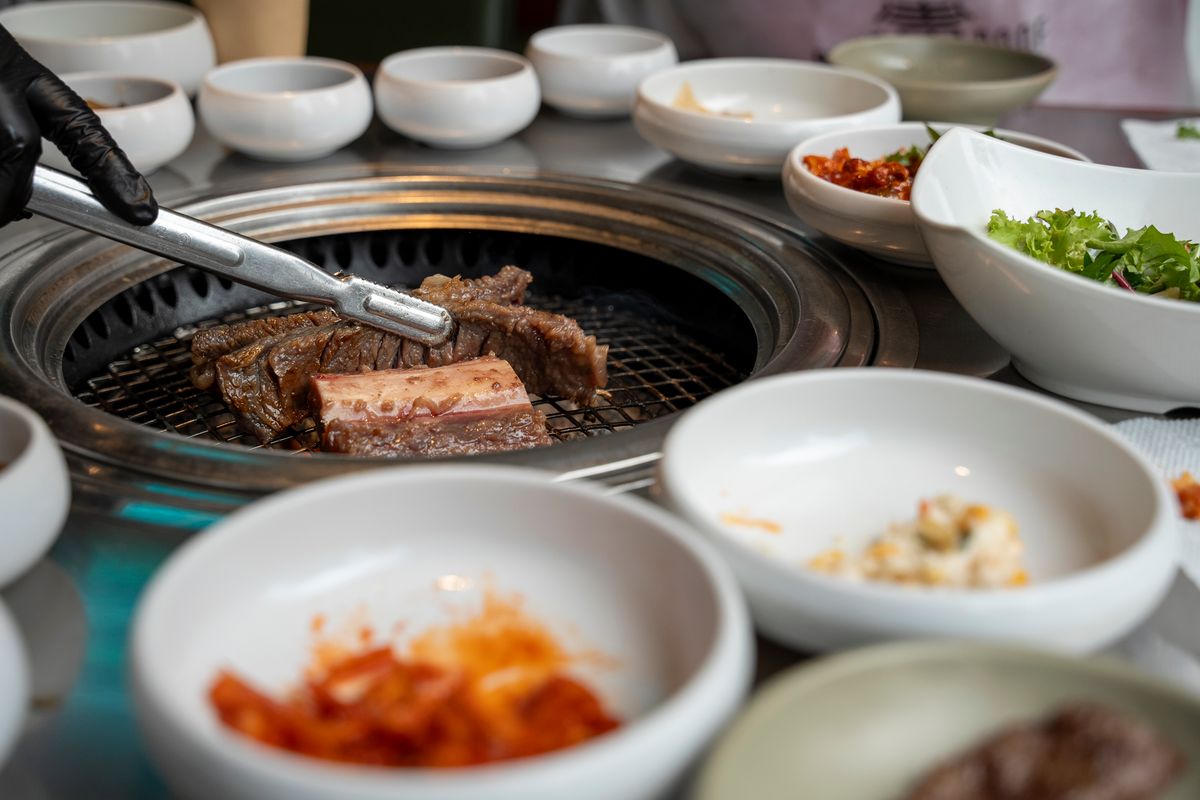
Traditional Korean BBQ grilling with assorted side dishes

Certain food and drink combinations are considered classic pairings across Korea, almost like a cultural shorthand of their own.

How the audio works: tap the speaker button on any word and your device’s built-in Korean voice will say it out loud — no app or download needed.

치맥 (Chimaek) — Fried Chicken and Beer

Possibly Korea’s most iconic pairing: crispy fried chicken with cold beer. The word itself is a blend of 치킨 (chicken) and 맥주 (maekju, beer) — it’s practically its own cultural institution, complete with dedicated chimaek festivals.

chimaek

삼겹살에 소주 — Pork Belly with Soju

Grilled pork belly (삼겹살, samgyeopsal) paired with soju is a cornerstone of Korean social dining — the fattiness of the meat is considered a natural match for soju’s clean, mild taste.

samgyeopsare soju
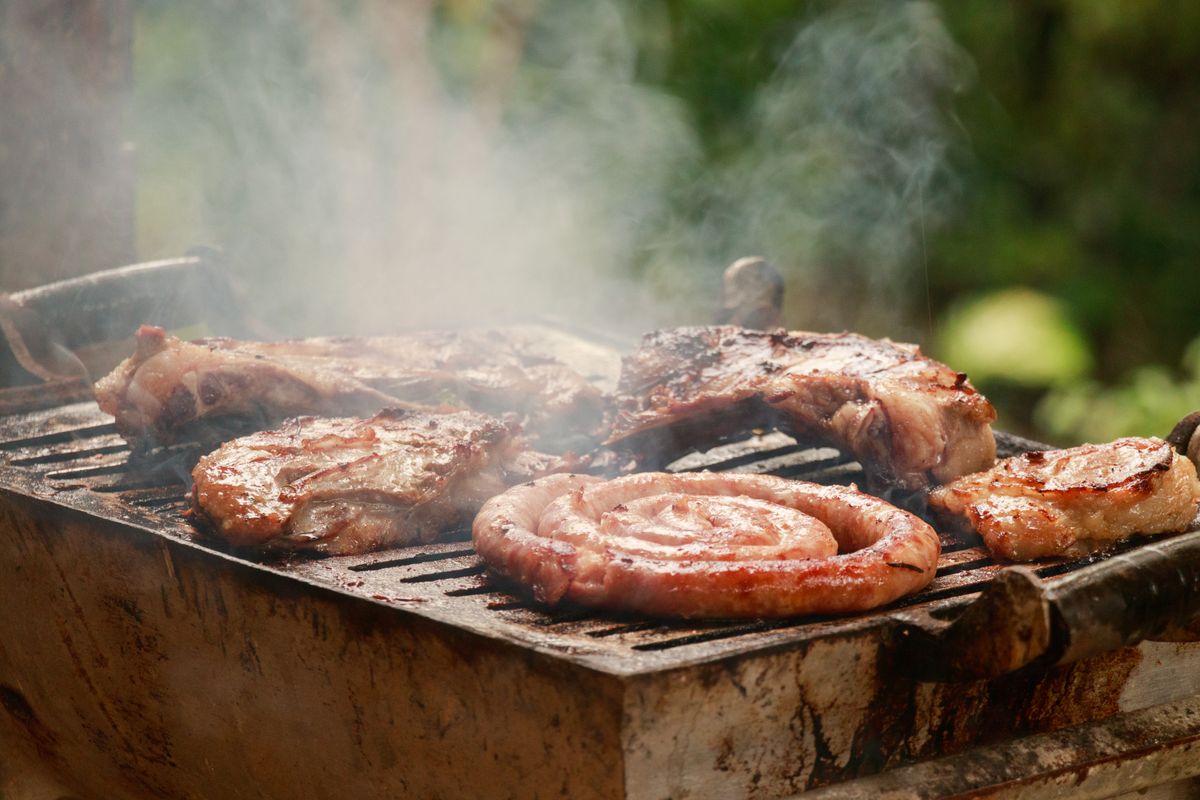
A sizzling grill with meat cooking, smoke rising

Grilled meat pairings are central to Korean social dining — the food and drink are meant to be enjoyed together, not separately.

파전에 막걸리 — Savoury Pancake with Makgeolli

On rainy days especially, Koreans reach for 파전 (savoury scallion pancake) with 막걸리 (makgeolli), a milky, lightly fizzy rice wine — a well-known and often joked-about pairing tied to rainy weather.

pajeone makgeolli

안주 — The General Concept

Beyond specific pairings, 안주 (anju) is the general word for food eaten while drinking — in Korean drinking culture, food and alcohol are rarely separated. Ordering a drink without any anju would be unusual in most social settings.

anju

Knowing these pairings isn’t just useful vocabulary — ordering them correctly (chimaek at a casual hangout, samgyeopsal and soju at a proper dinner) signals real familiarity with the culture, not just the language.

Food Culture Is a Great Way Into the Language

Ordering food and drink confidently is often the first real, useful Korean people put into practice. Here’s the step-by-step system we recommend for building on it.

START LEARNING KOREAN →
© 2026 Learn Korean Online

Disclosure: This page may contain affiliate links. If you purchase through a link on this page, we may receive a commission at no additional cost to you.

Café Culture in Korea

Café Culture in Korea: Ordering Like a Local (Tap to Hear It Spoken)

Korean Drinking & Social Culture · Part 5

Café Culture in Korea: Ordering Like a Local

Korea has one of the highest café densities in the world, and its own distinct ordering culture — including a famous devotion to iced coffee in the dead of winter. Tap any phrase below to hear it spoken.

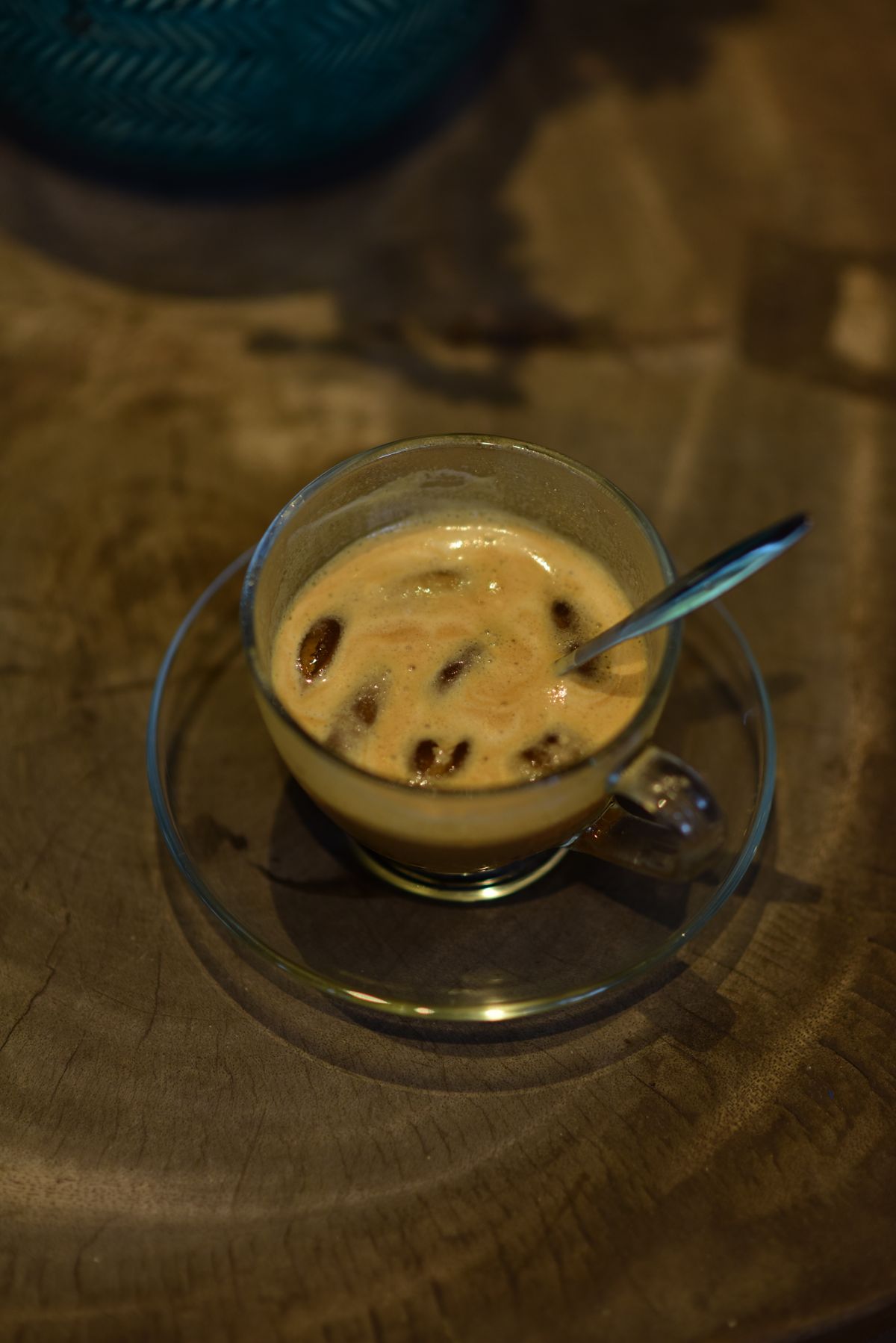
A creamy iced coffee served in a glass cup on a wooden table

Iced coffee, known affectionately as “아아,” is a year-round staple in Korean café culture, regardless of the weather.

Cafés are everywhere in Korea and function as much as social and study spaces as they do coffee shops. There’s also a genuinely famous local quirk: many Koreans drink iced Americanos even in freezing winter weather, a habit affectionately shortened to “아아” — short for 아이스 아메리카노.

How the audio works: tap the speaker button on any phrase and your device’s built-in Korean voice will say it out loud — no app or download needed.

Ordering the Classics

The Winter-Proof Classic

aiseu amerikano

Iced Americano — often just shortened to “아아” in speech

A Milkier Option

kape-latte

Café latte

Sorting Out the Details

For Here or To Go

yeogiseo deuseyo, gajyeogaseyo?

For here, or to take away? (what staff will ask you)

Answering “To Go”

teikeuaut halgeyo

I’ll take it to go

Sizing Up

saijeu eopgeureideu haejuseyo

Please upsize this

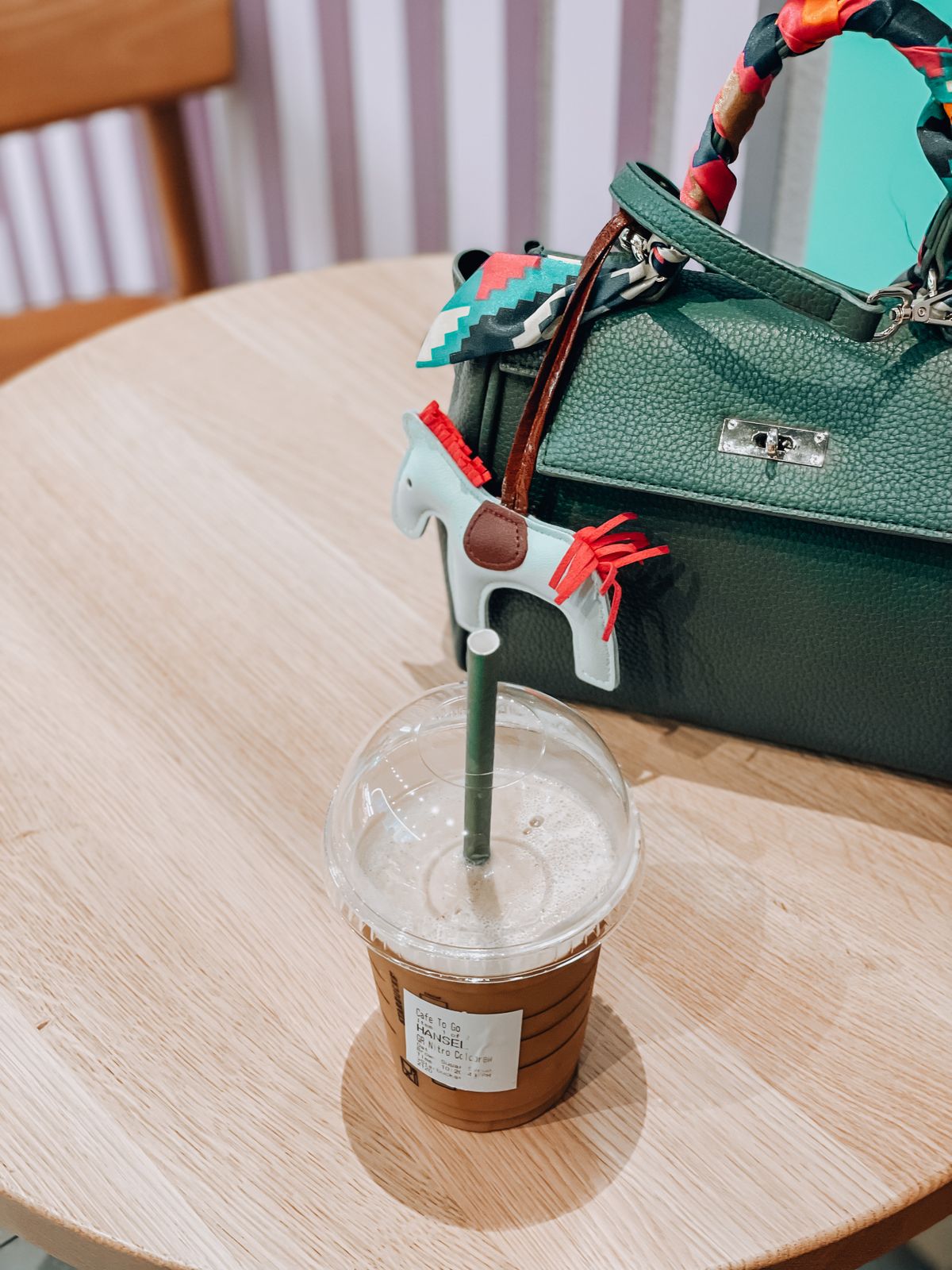
Iced coffee in a plastic cup with a straw next to a bag on a café table

Takeaway iced coffee is such a fixture of Korean daily life that it’s practically a cultural symbol at this point.

Korean café menus are often dominated by seasonal and dessert-style drinks, so don’t be surprised to see options like 아인슈페너 (Vienna coffee with whipped cream) or fruit-based teas alongside the usual espresso drinks. Ordering by pointing at the menu board is completely normal and expected if you’re not sure of a name.

Café Korean Is Some of the Most Useful Everyday Practice

Ordering coffee is a genuinely great low-stakes way to practise real Korean in a real setting. Here’s the step-by-step system we recommend for building the confidence to go further.

START LEARNING KOREAN →
© 2026 Learn Korean Online

Disclosure: This page may contain affiliate links. If you purchase through a link on this page, we may receive a commission at no additional cost to you.

Toasts, Cheers, and Drinking Games

Toasts, Cheers, and Drinking Games in Korean: What to Say (Tap to Hear It Spoken)

Korean Drinking & Social Culture · Part 4

Toasts, Cheers, and Drinking Games: What to Say

Every Korean drinking occasion starts with a toast, and often turns into a game not long after. Here’s what to say for both. Tap any phrase below to hear it spoken.

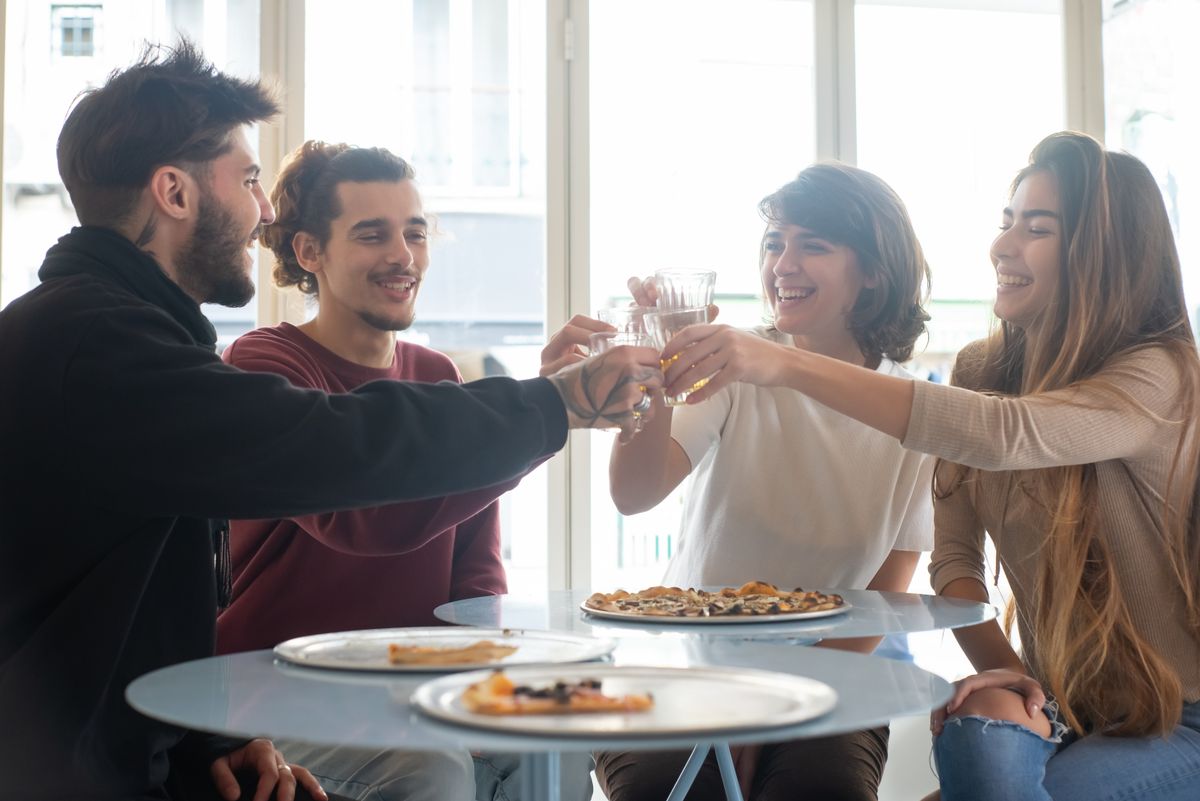
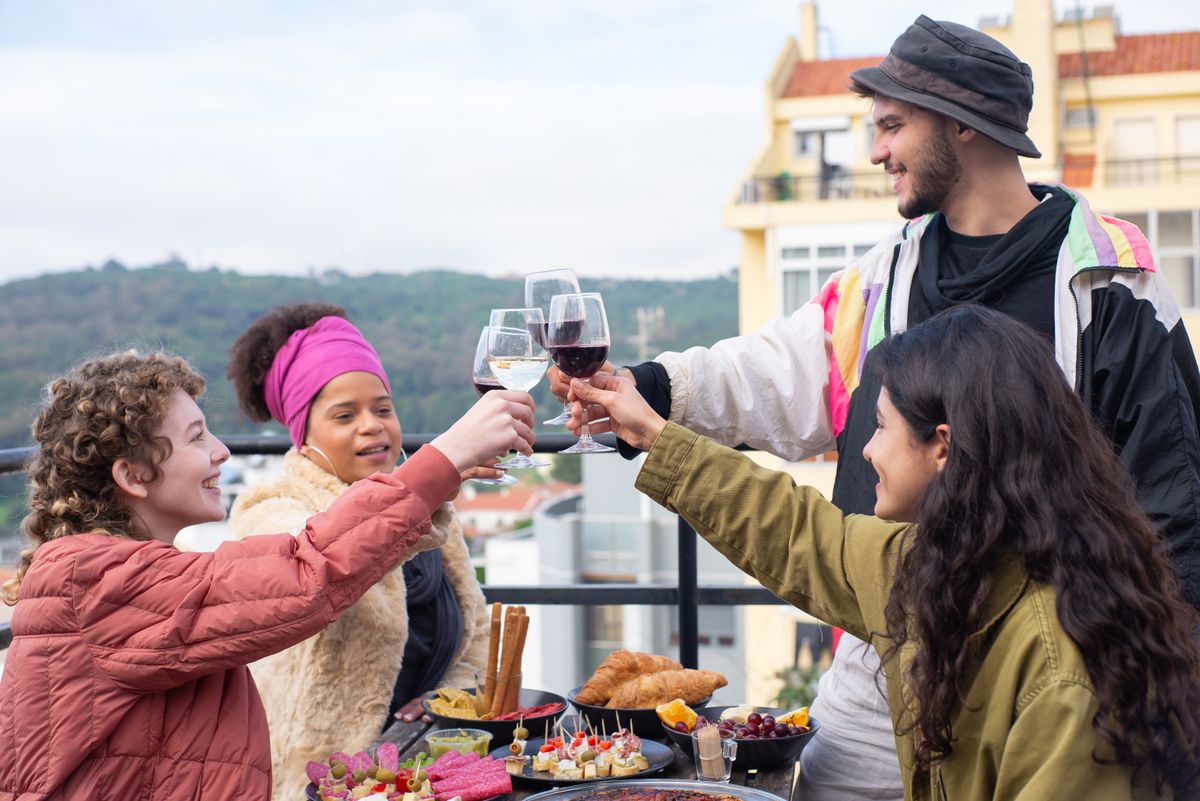
A group of friends making a glasses toast together at a table

Toasting is a genuine ritual in Korean drinking culture — it marks the real start of the evening.

A round rarely starts without a toast, and Korean has a few standard phrases for the moment glasses go up. There’s also a lively tradition of drinking games at more casual gatherings — here’s the core vocabulary for both.

How the audio works: tap the speaker button on any phrase and your device’s built-in Korean voice will say it out loud — no app or download needed.

The Toast Itself

Standard Toast

geonbae

Cheers (the standard toast word — say it and clink glasses)

A Bit More Formal

wihayeo

“For the sake of…” — often said before naming what you’re toasting to

“위하여” is often used as part of a longer toast — someone might say “우리의 건강을 위하여!” (for the sake of our health!) or something similar, then everyone answers with “위하여!” together. It’s a nice custom to know, even if you’re just responding along with the group.

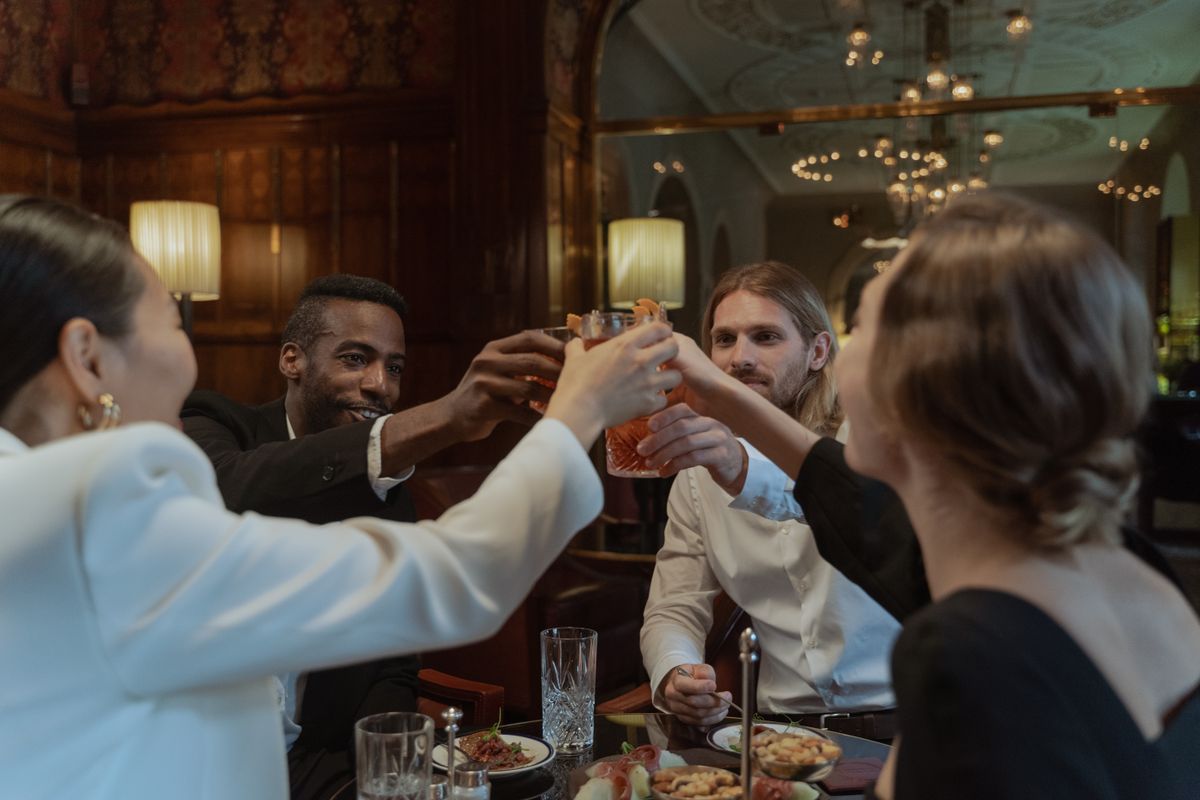
A group of friends joyfully toasting with drinks together

Joining in on the group toast, even with just “건배,” is an easy way to feel part of the moment.

Drinking Games

Korean social gatherings often include simple drinking games, especially among friends and younger colleagues. One of the most common is 눈치게임 (nunchi-gemeim), the “reading the room” game: players take turns calling out numbers in sequence with no set order, and whoever calls a number at the same time as someone else, or hesitates too long, loses that round. It sounds simple, but it genuinely rewards paying close attention to the group’s rhythm — which, fittingly, is also what the Korean concept of 눈치 (nunchi) is all about.

Reading the Room

nunchi-gemeim

A popular counting-based drinking game

These Small Rituals Add Up to Real Cultural Fluency

Knowing how to join in on a toast or a game makes you feel like a genuine part of the group, not just a spectator. Here’s the step-by-step system we recommend for building that confidence.

START LEARNING KOREAN →

© 2026 Learn Korean Online

Disclosure: This page may contain affiliate links. If you purchase through a link on this page, we may receive a commission at no additional cost to you.

How to Politely Decline a Drink in Korean

How to Politely Decline a Drink in Korean (Tap to Hear It Spoken)

Korean Drinking & Social Culture · Part 3

How to Politely Decline a Drink in Korean

Korean drinking culture can involve genuine social pressure to keep drinking — knowing how to say no gracefully is a real, useful skill. Tap any phrase below to hear it spoken.

A group of friends making a toast together at a gathering

Saying no doesn’t have to be awkward — Korean has several graceful, well-understood ways to do it.

Not drinking, or wanting to slow down, is completely normal and accepted in Korea — but because pouring for others is such an ingrained social habit, it helps to have the right phrase ready so your “no” is understood clearly and doesn’t come across as rude.

How the audio works: tap the speaker button on any phrase and your device’s built-in Korean voice will say it out loud — no app or download needed.

If You Don’t Drink at All

Clear and Simple

jeoneun sureul mot masyeoyo

I can’t drink alcohol

Health-Related

geongang ttaemune an masyeoyo

I don’t drink for health reasons

If You’re Just Pacing Yourself

Softer Decline

oneureun gwaenchanayo

I’m okay for today (a gentle “no, thank you” for this occasion)

Asking for Less

jogeumman juseyo

Just a little, please

A group of friends celebrating with beer mugs indoors

A confident, natural-sounding decline is respected far more than an awkward, hesitant one.

A Practical, Widely Accepted Excuse

The Universal Out

unjeonhaeya dwaeyo

I have to drive (a very commonly accepted reason to decline)

“운전해야 돼요” (I have to drive) is one of the most reliably accepted reasons to decline in Korean drinking culture — practical, undeniable, and never questioned further. It’s worth keeping in your back pocket even if you’re just looking for an easy way out.

Saying No Confidently Is Its Own Skill

A phrase said naturally, without hesitation, is far more effective than a nervous one. Here’s the step-by-step system we recommend for building that confidence.

START LEARNING KOREAN →

© 2026 Learn Korean Online

Disclosure: This page may contain affiliate links. If you purchase through a link on this page, we may receive a commission at no additional cost to you.

Essential Soju and Hoesik Vocabulary


Korean Drinking & Social Culture · Part 2

Essential Soju and Hoesik Vocabulary

Essential Soju and Hoesik Vocabulary. Soju and the company dinner culture built around it are a genuine part of Korean social and work life. Here’s the vocabulary you’ll need. Tap any word below to hear it spoken.

Essential Soju and Hoesik Vocabulary

Korean BBQ and soju are a classic pairing at both casual get-togethers and company dinners.

소주 (soju) is Korea’s most iconic spirit — a clear, mild liquor usually around 16–20% alcohol, drunk socially rather than sipped slowly. It’s deeply tied to Korean work and social culture, especially through 회식 (hoesik), the company team dinner that’s a genuine institution in Korean workplaces.

How the audio works: tap the speaker button on any word and your device’s built-in Korean voice will say it out loud — no app or download needed.

The Basics

The Drink Itself

soju

Korea’s iconic clear spirit

The Occasion

hoesik

Company dinner / team dinner

The Food That Comes With It

anju

Food eaten alongside drinking — essentially never optional

Two people clinking their drink bottles together

Hoesik dinners often move between venues over the course of an evening — each stop is its own tradition.

How the Night Moves

Bottoms Up

wonshot

One shot — drink the whole glass at once (from English “one shot”)

The Second Stop

icha

“Second round” — moving to a different venue after the first

A Strong Combination

poktanju

“Bomb drink” — a soju-and-beer mix, popular at hoesik dinners

It’s genuinely common for a hoesik night to move through two or even three venues — dinner and drinks first, then a second stop for more drinks or noraebang (karaoke), sometimes a third for coffee or dessert. Each stop is called by its number: 1차, 2차, 3차.

Understanding the Culture Makes the Words Stick

Vocabulary like this lands so much better once you understand the social context around it. Here’s the step-by-step system we recommend for building both together.

START LEARNING KOREAN →

© 2026 Learn Korean Online

Disclosure: This page may contain affiliate links. If you purchase through a link on this page, we may receive a commission at no additional cost to you.

Korean Drinking Etiquette

Korean Drinking Etiquette: The Rules Nobody Explains (Tap to Hear It Spoken)

Korean Drinking & Social Culture · Part 1

Korean Drinking Etiquette: The Rules Nobody Explains

Drinking in Korea comes with its own set of quiet social rules — knowing them makes you look like you belong, not like a first-timer. Tap any phrase below to hear it spoken.

A group of friends toasting their drinks together

Drinking together is a genuine social ritual in Korea — the etiquette around it matters as much as the drink itself.

How the audio works: tap the speaker button on any phrase and your device’s built-in Korean voice will say it out loud — no app or download needed.
Rule 1

You Pour for Others, Not Yourself

Pouring your own drink is considered a little unusual — the custom is to keep an eye on the glasses around you and pour for others when theirs runs low. In turn, someone will usually pour for you.

jega ttaradeurilgeyo
Let me pour for you
Rule 2

Use Two Hands With Someone Senior

When receiving a poured drink from someone older or more senior, it’s polite to hold your glass with both hands, or support your pouring arm with your other hand. The same applies when you’re the one pouring for them.

Rule 3

Turn Away When Drinking in Front of an Elder

A distinctive Korean custom: when drinking in the direct presence of someone significantly older, it’s respectful to turn your head slightly away from them as you drink, rather than facing them directly.

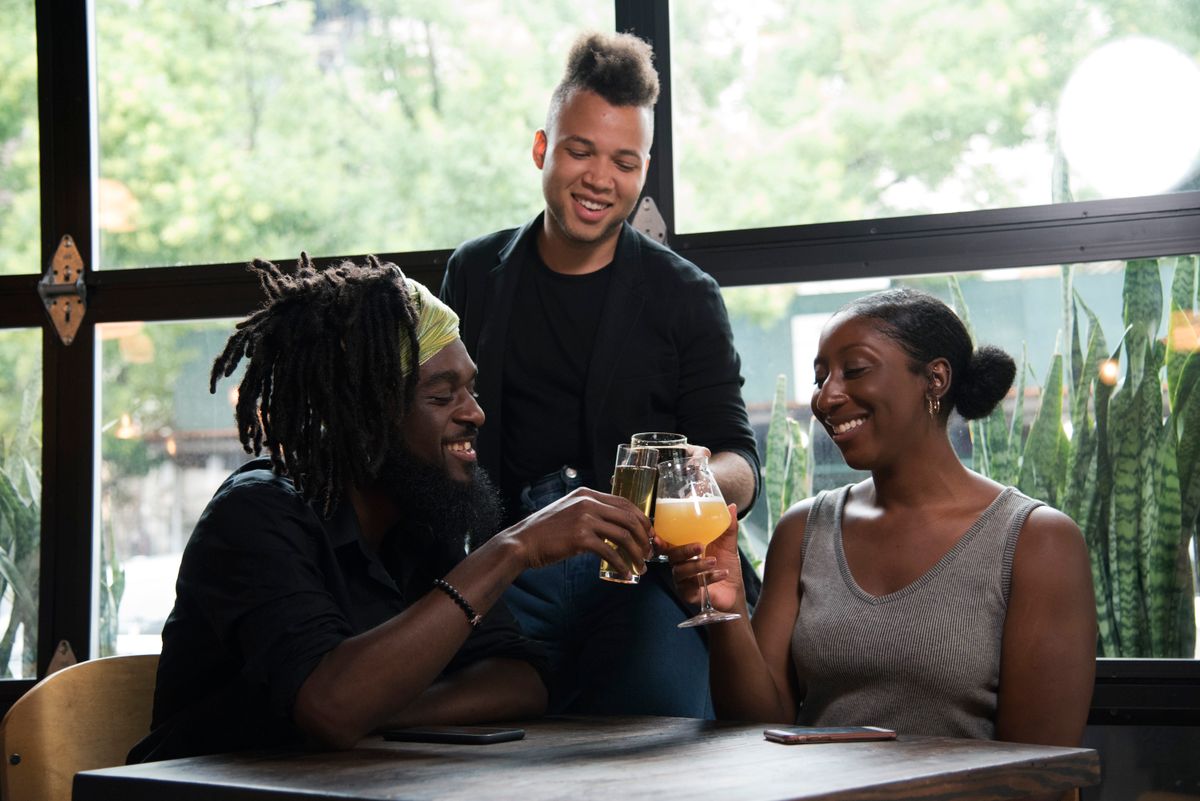
Three friends toasting with clear glasses filled with beverages near a window

Small gestures — how you hold a glass, how you accept a pour — carry real social meaning in these settings.

Rule 4

Accepting a Glass Being Offered to You

If someone offers you their glass to drink from — a common gesture of goodwill, especially from an elder — it’s polite to accept it with two hands, even if you don’t finish it.

jan badeuseyo
Please take this glass (offering a drink)
Rule 5

Never Leave a Glass Completely Empty for Long

An empty glass tends to invite a refill from whoever’s nearby, whether you wanted one or not. If you’re pacing yourself, leaving a little in the glass is a subtle, understood signal that you’re not ready for more.

None of these rules are strict laws — Koreans are generally understanding of foreigners who don’t know them yet. But following even a couple of them shows real thoughtfulness, and people notice.

Social Etiquette Is Part of Real Fluency

Understanding the culture behind the language makes every conversation land better. Here’s the step-by-step system we recommend for building both together.

START LEARNING KOREAN →

© 2026 Learn Korean Online

Disclosure: This page may contain affiliate links. If you purchase through a link on this page, we may receive a commission at no additional cost to you.

When It’s Okay to Drop Formality in Korean


Korean Honorifics & Speech Levels · Part 6

When It’s Okay to Drop Formality in Korean  Casual speech isn’t just about comfort — in Korean, switching to banmal is treated as a real social moment, and there’s a specific way to make that shift happen. Tap any phrase below to hear it spoken.

When It's Okay to Drop Formality in Korean
When It’s Okay to Drop Formality in Korean

Getting to casual speech with someone is often a small milestone in a Korean friendship, not just a formality dropped.

Unlike English, where you might just naturally relax your tone as you get to know someone, Korean often treats the shift to casual speech as an explicit, spoken moment — especially between people close in age. It’s a small act of trust, and it’s genuinely common to ask for permission before doing it.

How the audio works: tap the speaker button on any phrase and your device’s built-in Korean voice will say it out loud — no app or download needed.

Asking to Switch to Casual Speech

Requesting the Switch

mal noado dwaeyo?

Is it okay if I speak casually with you?

Granting It (Said by the Senior Person)

pyeonhage malhae

Feel free to speak comfortably / casually

Suggesting It Mutually

uri mal noeulkkayo?

Should we speak casually with each other?

Situations Where Casual Speech Is Automatic

Permission isn’t always needed. A few situations where casual speech is the natural default:

Same-Age Friends

Once a friendship forms between people the same age, casual speech is usually the norm without needing to ask.

Speaking to Children

Adults generally speak casually to young children by default, regardless of the child’s relationship to them.

Close, Long-Term Friends

Even with an age gap, very close long-term friends sometimes mutually agree to drop formality entirely.

When It's Okay to Drop Formality in Korean
When It’s Okay to Drop Formality in Korean

Once formality drops between friends, it rarely goes back — the shift tends to be permanent.

When to Stay Cautious

As a general rule, never initiate the switch to banmal with someone older than you unless they suggest it first — the offer should come from the senior person. And in professional contexts, even close colleagues often keep polite speech at work regardless of how casual they are outside it. When you’re unsure, staying polite costs you nothing; dropping formality too soon can genuinely land badly.

Formality Is a Skill You Build Over Time

Reading these social cues gets easier with real exposure and practice. Here’s the step-by-step system we recommend for building genuine confidence with Korean, honorifics included.

START LEARNING KOREAN →

© 2026 Learn Korean Online

Disclosure: This page may contain affiliate links. If you purchase through a link on this page, we may receive a commission at no additional cost to you.

Common Honorific Mistakes


Korean Honorifics & Speech Levels · Part 4

Common Honorific Mistakes That Make You Sound Rude (Accidentally)

Common Honorific Mistakes. None of these mistakes are obvious to an English speaker — which is exactly why they’re worth knowing about in advance. Tap any example below to hear it spoken.

Common Honorific Mistakes

  Common Honorific Mistakes. Most honorific mistakes come from applying English politeness instincts to a system that works differently.

How the audio works: tap any phrase and your device’s built-in Korean voice will say it out loud — no app or download needed.
Mistake 1

Using Banmal With Someone You Just Met

Casual speech (반말) can sound presumptuous or even disrespectful with a stranger or elder, even if your intention was just to seem friendly. Default to polite 해요체 with anyone new, and only shift to casual speech if it’s explicitly invited.

Mistake 2

Using the Regular Verb “있다” for a Person

Korean has a special honorific version of “to exist / to have” used specifically for people you’re showing respect to. Using the plain version for someone senior is a small but noticeable slip.

About an Object
isseoyo
About a Respected Person
gyeseyo
Mistake 3

Asking a Senior Person’s Name the Casual Way

There’s a specific, more respectful way to ask for someone’s name when they’re older or in a position of authority — using the plain version can come across as too direct.

Casual / Neutral
ireumi mwoyeyo?
Respectful
seonghami eotteoke doeseyo?
Common Honorific Mistakes

Small honorific slips are common and usually forgiven quickly — the effort to get it right is what actually matters.

Mistake 4

Using Someone’s Name Alone With a Senior Person

Calling a boss or elder by their first name, the way you would in English, can feel overly familiar. Titles like 사장님 (company president), 선생님 (teacher, or a general respectful title), or professional titles plus 님 are used instead of a bare first name in most professional and formal contexts.

Mistake 5

Over-Correcting Into Excessive Formality With Friends

The flip side exists too — sticking rigidly to formal 합니다체 with close friends can feel cold or distant, like you’re keeping them at arm’s length. Once a relationship is established, staying overly formal can read as standoffish rather than polite.

Mistakes Here Are Genuinely Low-Stakes

Koreans are generally very understanding of learners working through this system — the goal isn’t perfection, it’s showing you’re trying. Here’s the step-by-step system we recommend for building real confidence with it.

START LEARNING KOREAN →

© 2026 Learn Korean Online

Disclosure: This page may contain affiliate links. If you purchase through a link on this page, we may receive a commission at no additional cost to you.

How Age Changes the Way Koreans Speak to Each Other


Korean Honorifics & Speech Levels · Part 3

How Age Changes the Way Koreans Speak to Each Other

Why does everyone ask your age so quickly in Korea? It’s not idle curiosity — it’s the single piece of information that determines how the entire conversation will unfold. Tap any phrase below to hear it spoken.

How Age Changes the Way Koreans Speak to Each Other

 How Age Changes the Way Koreans Speak to Each Other Age hierarchy runs through Korean social life at every level — from family to friend groups to the workplace.

In many Western cultures, asking someone’s age soon after meeting them can feel rude or intrusive. In Korea, it’s practical — Korean speech requires you to know roughly where someone sits relative to you in age before you can speak to them naturally, because the verb endings and vocabulary you use depend on it. It’s less about hierarchy for its own sake and more about knowing which “setting” to speak in.

How the audio works: tap the speaker button on any phrase and your device’s built-in Korean voice will say it out loud — no app or download needed.

How Koreans Ask (and Answer) the Age Question

Casual, Between Peers

myeot sarieyo?

How old are you?

More Formal / Respectful

naiga eotteoke doeseyo?

May I ask your age? (softer, more polite phrasing)

Once Age Is Established

If the other person turns out to be older, you’ll typically continue speaking to them politely and may use a relationship term like 형/오빠 (older brother, depending on your gender) or 언니/누나 (older sister) instead of their name. If they’re younger, they’ll usually speak to you politely while you have the option to speak more casually once a friendship is established — but that shift is always negotiated, never assumed.

How Age Changes the Way Koreans Speak to Each Other

This system extends the family model of respect — for elders, siblings, and even close friends — into everyday social interaction.

A Note on Korean Age

One more wrinkle worth knowing: Korea traditionally used “Korean age,” where everyone turns a year older on New Year’s Day rather than their birthday, meaning a newborn is considered one year old at birth. As of 2023, Korea officially adopted international age counting for legal purposes, but you may still hear people casually mention their “Korean age” in conversation, especially with older generations — so don’t be surprised if the numbers don’t quite match what you expect.

Age Is Just One Piece of the Bigger Picture

Once you understand how age shapes speech, the logic behind Korean honorifics and titles clicks into place much faster. Here’s the step-by-step system we recommend for learning it properly.

START LEARNING KOREAN →

© 2026 Learn Korean Online

Disclosure: This page may contain affiliate links. If you purchase through a link on this page, we may receive a commission at no additional cost to you.